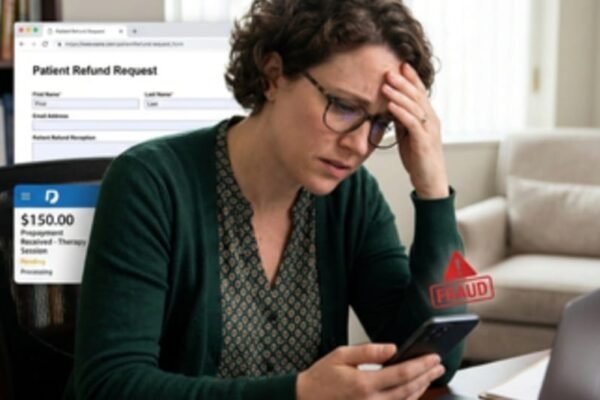
Mumbai: A new and troubling online fraud is leaving mental health professionals shaken across the city. Psychologists in Mumbai are reporting a rise in appointment-related scams, where fraudsters pose as patients, share fake payment screenshots, and then pressure therapists into issuing refunds for money that was never paid.
The scam typically begins with a phone call or text message requesting a therapy appointment. The caller insists on making an advance online payment and soon sends what appears to be a genuine transaction screenshot. Shortly after, the appointment is abruptly cancelled and a refund is demanded. The screenshot, however, is fabricated, and no payment has actually been credited.
“The scammer creates urgency and confusion, pushing the counsellor to issue a refund immediately,” said a psychologist who fell victim to the fraud and requested anonymity. “If you don’t verify the bank statement carefully, you end up transferring your own money.”
Several psychologists have shared similar experiences. One counsellor recounted how the individual became abusive when informed that no payment had been received. Another psychologist explained that the entire interaction happened over text messages, with the fraudster claiming to be from outside the city and citing references from well-known hospitals to gain trust.
After receiving a QR code for payment, the psychologist was sent a screenshot complete with transaction ID, time stamp, and other realistic details. When a refund was requested, a routine check revealed that no money had entered the account. On being confronted, the fraudster accused the professional of cheating and used threatening language.
Mental health professionals say the scam is becoming more sophisticated. Fake payment screenshots, created using easily available online templates, are designed to look authentic at first glance. In one case, a psychologist uploaded the image to an online verification tool and discovered it was generated from a template rather than an actual banking app.
Another counsellor described being contacted for an “emergency” session. After claiming a payment link was not working, the fraudster requested a QR code and immediately sent a screenshot showing a payment of ₹2,000. Despite repeated checks, no transaction appeared in the bank account. The individual continued to insist that payment had been made but eventually failed to show up for the session.
Experts say the rise of online consultations after the Covid-19 pandemic has made advance digital payments common practice, inadvertently opening doors for such frauds. While police officials have acknowledged awareness of the scam, no formal complaints have been registered so far.
Psychologists are now urging colleagues to remain cautious—verify every payment directly through bank statements before confirming appointments or processing refunds. “Our profession is built on trust and empathy,” one counsellor said. “Scams like these not only cause financial loss but also emotional distress to professionals who are simply trying to help others.”