Category: Civic Affairs

Contrary to popular belief, Lorem Ipsum is not simply random text. It has roots in a piece of classical Latin literature from 45 BC, making it over 2000 years old. Richard McClintock, a Latin professor

Mumbai Cracks Down on Fake Birth Certificate Racket; 119 Cancelled, FIRs to Be Filed Against 116

Mumbai Cracks Down on Fake Birth Certificate Racket; 119 Cancelled, FIRs to Be Filed Against 116

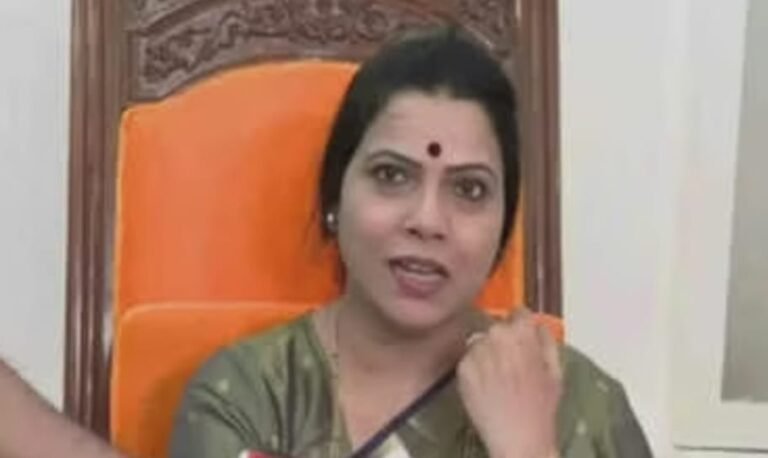
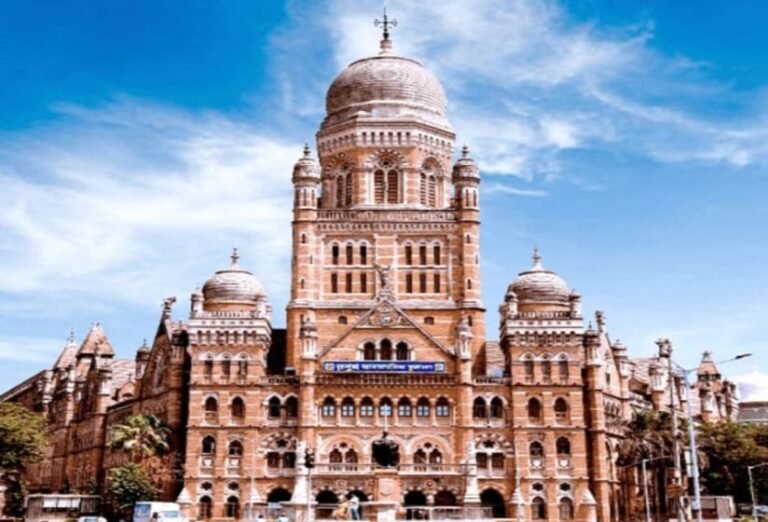
Mumbai Cracks Down on Fake Birth Certificate Racket; 119 Cancelled, FIRs to Be Filed Against 116 Mumbai: In a major crackdown on an alleged fake birth certificate racket, the Brihanmumbai Municipal Corporation (BMC) has withdrawn 119 birth certificates that were suspected to have been fraudulently issued in the city. Authorities have also directed officials to register FIRs against 116 individuals linked to the remaining cases. The development was announced by Ritu Tawde, Mayor of Mumbai, after a high-level review meeting held at the BMC headquarters with senior civic officials. The meeting was convened nearly a month after concerns were raised regarding birth certificates allegedly issued illegally to Bangladeshi nationals. According to the mayor, the civic administration examined 237 suspicious cases during the review. Out of these, 119 certificates have already been removed from the municipal records and recovered from the families to whom they had been issued. However, authorities faced resistance in several cases. Officials said 29 individuals refused to return their certificates despite repeated requests, prompting instructions to file criminal complaints against them. In addition, 87 individuals could not be traced, and FIRs will also be filed in those cases. In total, 116 people may face legal action as part of the investigation. The meeting was also attended by former BJP MP Kirit Somaiya, who has been actively raising the issue and demanding strict action against those responsible for the alleged irregularities. Mayor Tawde further stated that the civic administration is examining ways to remove individuals from official records if their documents are proven to be fraudulent. She also said there has been a demand to set up a Special Investigation Team (SIT) to conduct a deeper probe into the matter. During the review meeting, officials also presented data regarding birth certificate corrections made during 2025. According to civic records, 19,859 applications for corrections or modifications were received by the Medical Officer of Health during the year. Authorities noted that the highest number of such applications came from the M-East (Mankhurd–Govandi), E (Byculla), and L (Kurla) wards, which has raised suspicion among officials. The mayor said a detailed verification of all 19,859 certificates has been ordered, and the administration has sought three months to complete the process. Speaking on the matter, Somaiya highlighted that 2,698 correction applications were submitted in the Kurla ward alone, which is unusually high compared to several other wards that recorded fewer than 1,000 such requests. Similarly, 2,207 applications were submitted in the Byculla ward last year. Meanwhile, police have also taken action in a related development. Officials from Powai Police recently arrested five Bangladeshi women and detained a seven-year-old girl from Pune for allegedly living in India illegally after crossing the border through West Bengal. Authorities stated that the arrests were made after investigators traced links during earlier operations in which members of a family were detained from Powai and Navi Mumbai earlier this year. Officials say the investigation into the alleged birth certificate scam is ongoing, and further scrutiny of documents and civic records is expected to reveal whether additional fraudulent cases exist across the city.
Mumbai Footpaths Cleared as BMC Intensifies Anti-Encroachment Drive; Commissioner Conducts Surprise Inspection in Dadar

Mumbai Footpaths Cleared as BMC Intensifies Anti-Encroachment Drive; Commissioner Conducts Surprise Inspection in Dadar

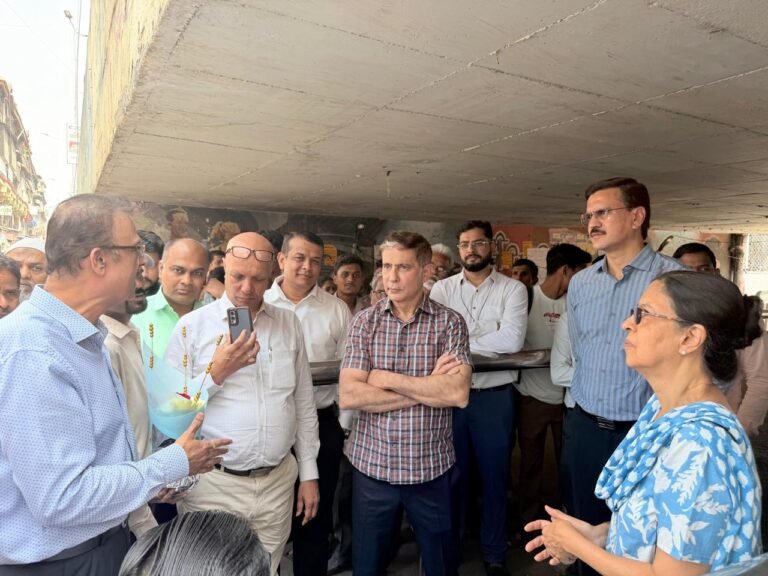
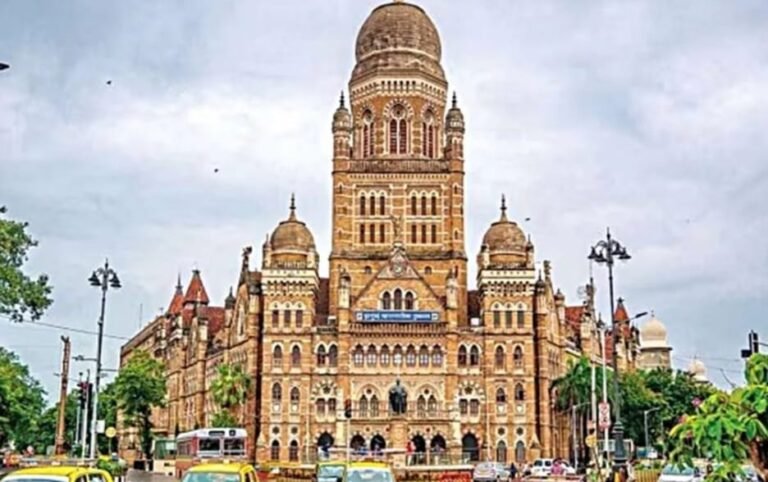
Mumbai Footpaths Cleared as BMC Intensifies Anti-Encroachment Drive; Commissioner Conducts Surprise Inspection in Dadar Mumbai | Undercover Editor News Channel, February 24, 2026 Mumbai: In a renewed push to restore pedestrian rights and ease chronic traffic congestion, the Brihanmumbai Municipal Corporation (BMC) has intensified its drive against unauthorised hawkers and illegal encroachments across the city. As part of the ongoing enforcement action, Bhushan Gagrani, Commissioner of the BMC, conducted a surprise inspection in Dadar and surrounding areas on Monday. The inspection covered multiple civic jurisdictions, including F South Ward, F North Ward and G North Ward, which have historically faced heavy congestion due to illegal hawking and encroachments on footpaths and roads. On-Ground Review of Enforcement During the surprise visit, Commissioner Gagrani personally reviewed the progress of eviction operations and inspected several previously congested stretches. Civic officials briefed him on recent actions undertaken to remove unauthorised stalls, roadside vendors and temporary structures that had been obstructing pedestrian movement and vehicular traffic. The Commissioner also interacted directly with local residents, shopkeepers and traders. Many citizens welcomed the crackdown, noting that cleared footpaths have significantly improved walkability and reduced traffic snarls in the area. Pedestrians, especially senior citizens and schoolchildren, expressed relief at being able to walk safely without being forced onto busy roads. Some traders, while acknowledging the importance of maintaining public order, raised concerns regarding long-term policy clarity and possible rehabilitation mechanisms for affected hawkers. Restoring Civic Discipline Senior civic officials reiterated that the drive is being conducted strictly in line with court directives and is aimed at restoring civic discipline rather than penalising livelihoods. The focus, they said, is on ensuring unobstructed footpaths, smoother traffic flow and the protection of public spaces meant for common use. Commissioner Gagrani appealed to citizens to cooperate with the civic administration and support lawful measures to keep public spaces free from encroachments. He stressed that strict action against illegal constructions and unauthorised hawking would continue across Mumbai wherever violations are found. Senior Officials Accompany Commissioner Deputy Municipal Commissioners Prashant Sapkale and Vinayak Vispute, along with assistant commissioners, engineers and ward-level officers, accompanied the Commissioner during the inspection. Officials confirmed that follow-up inspections will be conducted to ensure that cleared areas remain free from re-encroachment. The renewed enforcement drive signals the BMC’s intent to sustain momentum in reclaiming public spaces, even as it seeks to balance the concerns of small traders with the larger public interest in one of India’s most densely populated metropolitan cities.
Mayor Talks Tough on Illegal Infiltrators — But Who Actually Identifies and Deports Them in Mumbai?

Mayor Talks Tough on Illegal Infiltrators — But Who Actually Identifies and Deports Them in Mumbai?

Mayor Talks Tough on Illegal Infiltrators — But Who Actually Identifies and Deports Them in Mumbai? Mumbai | Undercover Editor News Channel, February 12, 2026 Mumbai: After newly appointed Mumbai Mayor Ritu Tawde announced a crackdown on “illegal Bangladeshi hawkers and infiltrators,” public debate has intensified over who actually has the authority to identify and deport illegal foreign nationals from the city. While the Mayor’s remarks have drawn political attention, senior police officials clarify that deportation of illegal immigrants is strictly a law enforcement and central government function — not a civic one. Who Has the Authority? The identification, detention and deportation of illegal Bangladeshi nationals are handled by the Mumbai Police in coordination with the State Special Branch, the Union Ministry of Home Affairs, and the Border Security Force (BSF). Officials underline that the Mayor or the Brihanmumbai Municipal Corporation (BMC) has no legal power to determine nationality, verify passports, or deport individuals. The civic body can only act against illegal hawking, encroachments, and violations under municipal laws. “Nationality verification and deportation are governed by central laws and handled through established legal procedures,” a senior officer said. Deportation Numbers See Sharp Rise Mumbai Police data reveals that 1,061 illegal Bangladeshi nationals were deported in 2025 across 401 cases — the highest number recorded in a single year. In comparison: Police attribute the spike in 2025 to directions from the Union government asking states to accelerate deportation proceedings. How Police Identify Illegal Immigrants The identification process typically begins during routine verification drives or based on specific intelligence inputs, particularly in areas with dense informal settlements. In many cases, suspects do not possess valid physical documents. Officials say documents are often destroyed, leaving only digital traces on mobile phones. Investigators examine mobile devices for: In some cases, officers conduct video calls to individuals in Bangladesh — including family members or local representatives — to verify identity. Confirmation is made only after multiple cross-checks and verification procedures. What Happens After Confirmation? Once authorities establish that a person has entered India illegally or overstayed a visa, the deportation process begins. Police officials note that criminal cases are not registered in every instance, as court proceedings can delay deportation. If the individual has not committed additional crimes, authorities complete legal documentation and initiate removal. However, if the person is linked to other offences, separate criminal charges are filed. The Deportation Process After documentation is completed, detainees are transported — usually by train — to the Indo-Bangladesh border and handed over to the BSF. In large-scale operations, special flights have also been used. In August last year, 112 illegal Bangladeshi nationals from Mumbai and nearby areas were deported together in a coordinated operation via the Assam-Bangladesh border. What the Mayor’s Statement Means Mayor Tawde recently stated that illegal hawkers occupying footpaths were affecting pedestrian movement and civic planning. She indicated that removal of such encroachments would be a priority in discussions with the Municipal Commissioner. Police officials interpret the remarks as a civic and political position focused on encroachment removal rather than direct intervention in deportation processes. Authorities emphasize that deportation procedures follow a fixed legal framework and continue based on police investigations and central government directives — independent of political statements. This issue highlights the distinction between civic governance and national security enforcement, as Mumbai navigates concerns over illegal immigration, urban encroachments, and public order within the framework of law.
Ritu Tawde to Take Charge as Mumbai’s 8th Woman Mayor

Ritu Tawde to Take Charge as Mumbai’s 8th Woman Mayor

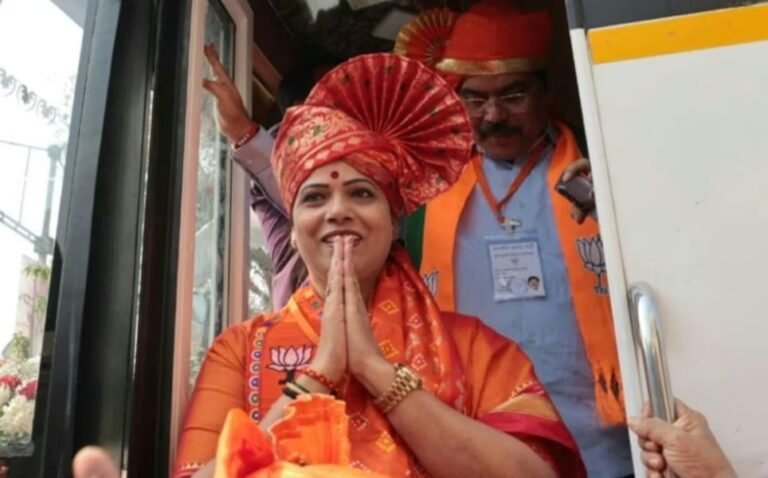
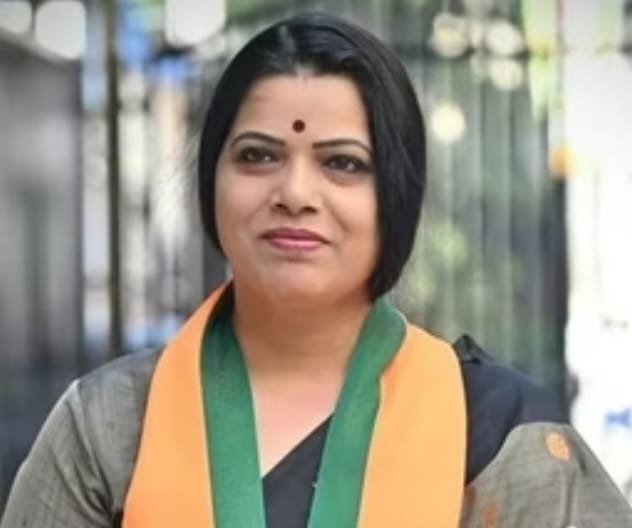
Ritu Tawde to Take Charge as Mumbai’s 8th Woman Mayor Mumbai | Undercover Editor News Channel, February 10, 2026 Mumbai: BJP corporator Ritu Tawde is poised to assume office as Mumbai’s next mayor after being elected unopposed in the Brihanmumbai Municipal Corporation (BMC), marking a historic shift in the city’s civic power structure. Her formal election, scheduled for Wednesday at noon, will make her Mumbai’s eighth woman mayor and bring an end to the Shiv Sena’s uninterrupted 25-year control of the mayoral post. Tawde’s elevation also marks the Bharatiya Janata Party’s return to the mayor’s office after more than 40 years—the last BJP mayor in Mumbai being Prabhakar Pai, who served during 1982–83. The development reflects the growing dominance of the Mahayuti alliance in the country’s richest civic body. The unopposed victory followed the decision of the Uddhav Thackeray-led Shiv Sena (UBT) not to field a candidate against Tawde. The move reportedly came after internal deliberations at party chief Uddhav Thackeray’s residence, acknowledging the numerical strength of the ruling alliance in the 227-member corporation. Former mayor and Sena (UBT) leader Kishori Pednekar said the decision was taken while respecting Marathi identity and the prevailing political arithmetic in the BMC. Alliance Power Consolidation Under the Mahayuti arrangement, the deputy mayor’s post will go to Sanjay Ghadi of the Eknath Shinde-led Shiv Sena. Ghadi, a corporator from Ward No. 5, will serve a 15-month tenure, after which the position will be rotated to give opportunities to other corporators within the alliance. The mayor’s term will be for two and a half years. Ritu Tawde, 53, filed her nomination at the municipal secretary’s office in the presence of senior Mahayuti leaders, including Minister Mangal Prabhat Lodha and BJP Mumbai unit chief Ameet Satam. Speaking to reporters, Tawde struck a humble note, stating that she would function as a “sevak of Mumbai” rather than merely occupying a ceremonial post. “My priority will be the safety, development and quality of life of Mumbai’s citizens. I see this responsibility as service, not power,” she said. Civic Experience and Political Journey A two-time corporator from Ghatkopar East, Tawde was first elected in 2012 and went on to chair the BMC’s Education Committee, where she raised several issues related to infrastructure, civic amenities and public safety. Though she lost the 2017 civic elections, she made a comeback in the latest polls, securing 19,810 votes from her ward. BJP leaders have underscored the symbolic significance of her election. Ameet Satam said the Mahayuti government is committed to a corruption-free civic administration. “The BMC must be freed from corruption that flourished under previous regimes. Ritu Tawde will lead Mumbai on the path of transparent and accountable governance,” Satam said, adding that the alliance had fulfilled its campaign promise of appointing a Marathi and Hindu mayor. Political Reactions and Opposition Criticism While the ruling alliance celebrated the smooth and uncontested outcome, opposition voices raised objections. The NCP (Sharad Pawar faction) criticised the BJP’s choice, pointing out that Tawde was previously associated with the Congress. NCP (SP) spokesperson Clyde Crasto said the decision had demoralised long-time BJP corporators. “By selecting a former Congress leader as mayor, the BJP has overlooked loyal party workers who have dedicated years of service,” he said. BMC: Symbolism and Scale Though the mayor’s post in Mumbai is largely ceremonial, it carries immense political and symbolic significance in a city where civic administration and identity politics often intersect. The BMC has been under a state-appointed administrator since March 2022 following the expiry of the previous term. With a budget of ₹74,450 crore for 2025–26—larger than the budgets of several Indian states—the BMC remains India’s most powerful municipal body. The mayor’s post was reserved for a woman from the open category following a lottery draw last month. While Tawde and Sion corporator Rajeshree Shirwadkar were considered potential candidates, the Mahayuti kept its decision confidential until the final day, ensuring an uncontested election. No opposition nominations were filed before the February 11 withdrawal deadline. A New Chapter for Mumbai Ritu Tawde’s unopposed election not only signals the BJP’s return to the mayoral office after four decades but also cements the Mahayuti alliance’s firm grip on Mumbai’s civic politics. As the city prepares for a transition after nearly three decades of Shiv Sena dominance, Tawde’s tenure is being closely watched for how effectively symbolic leadership translates into tangible civic outcomes. “I will work as a servant of Mumbai, not as its ruler,” Tawde reiterated, signalling the tone she intends to set as the city enters a new phase of municipal governance.
औपनिवेशिक अभिजात वर्ग से जनप्रतिनिधियों तक: मुंबई के नगरसेवकों का विकास

From Colonial Elites to People’s Representatives: The Evolution of Mumbai’s Corporators

From Colonial Elites to People’s Representatives: The Evolution of Mumbai’s Corporators Mumbai | Undercover Editor News Channel, February 08, 2026 Mumbai: The role of corporators in Mumbai has undergone a remarkable transformation over the last 150 years — from an elite, colonial institution dominated by a privileged few to a fully democratic system of elected representatives serving the city’s diverse population. The journey began on July 26, 1875, when the first elections to the then Bombay Municipal Corporation were held. Only about 1,200 citizens were eligible to vote, representing a mere fraction of the city’s population. Voting rights were restricted to tax-paying residents, effectively limiting political participation to wealthy elites. As a result, the 64 councillors elected at the time largely came from influential and affluent sections of society. Colonial Foundations and Limited Democracy The Municipal Corporation was formally established in 1872 under the Bombay Act. Initially, all 64 councillors were nominated by the British government or High Court judges. Later reforms allowed half of them to be elected, but suffrage remained restricted to “rate payers” who paid a minimum annual tax. In 1872, fewer than 4,000 people — just 0.6% of Mumbai’s population — were eligible to vote. Despite the limited franchise, prominent figures such as Dadabhai Naoroji, Pherozeshah Mehta and Vishwanath Narayan Mandlik played key roles in shaping early civic governance, advocating gradual reforms and greater representation. Post-Independence Reforms and Wider Participation True democratisation of Mumbai’s civic body gained momentum in the decades following Independence. In 1922, voting rights were extended to tenants, significantly expanding the electorate. A major milestone came in 1952 when the system of nominated councillors was abolished, making the Corporation fully elected. In 1931, the post of President was renamed Mayor, symbolising a shift towards democratic governance, though the position largely remained ceremonial. In 1956, Mumbai elected its first woman Mayor, Sulochana Modi, reflecting a slow but steady move toward inclusivity. Rise of Mass Politics and the ‘Nagarsevak’ The late 1960s marked another turning point when local body elections were brought under the supervision of an election commission. Municipal councillors came to be known as Nagarsevaks, reinforcing their role as servants of the people. The decades that followed saw growing political mobilisation, driven by labour movements, social activism and the emergence of middle-class leadership. Mumbai’s civic politics increasingly reflected the aspirations of ordinary citizens rather than elite interests. By the 1980s, multiple political parties had established a strong presence within the Brihanmumbai Municipal Corporation (BMC). Greater Representation and Structural Changes Further reforms strengthened democratic representation. Seats were reserved for women and marginalised communities, ensuring broader participation in civic decision-making. Attempts were also made to empower elected representatives through structural changes such as the brief introduction of the Mayor-in-Council system in 1998, although it was later withdrawn due to governance concerns. Today, Mumbai’s corporators play a crucial role in civic administration — coordinating development works, raising public issues, serving on key committees, and acting as a bridge between citizens and the municipal administration. A Transformed Civic Institution From a colonial institution controlled by a small elite to a mass-based democratic body, the evolution of Mumbai’s corporators mirrors the city’s broader political and social journey. With 227 elected representatives today, the BMC stands as India’s largest and richest municipal corporation, symbolising how civic governance in Mumbai has gradually moved closer to the people it serves.
BJP Set to Install First Mumbai Mayor as Ritu Tawde Files Nomination; Shiv Sena Names Sanjay Ghadi as Deputy Mayor Candidate

BJP Set to Install First Mumbai Mayor as Ritu Tawde Files Nomination; Shiv Sena Names Sanjay Ghadi as Deputy Mayor Candidate

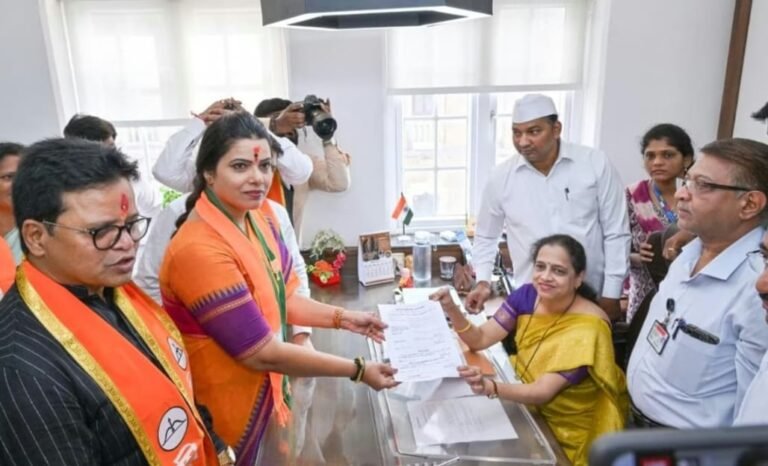
BJP Set to Install First Mumbai Mayor as Ritu Tawde Files Nomination; Shiv Sena Names Sanjay Ghadi as Deputy Mayor Candidate Mumbai | Undercover Editor News Channel, February 07, 2026 The Bharatiya Janata Party (BJP) is poised to create history in Mumbai’s civic politics by installing its first-ever Mayor, bringing an end to the Shiv Sena’s 25-year-long dominance over the Brihanmumbai Municipal Corporation (BMC). BJP corporator Ritu Tawde filed her nomination for the mayoral post on Saturday, February 7, 2026, marking a major political shift in the country’s richest civic body. The BJP’s ally in the ruling Mahayuti alliance, the Eknath Shinde-led Shiv Sena, has announced Sanjay Ghadi as its candidate for the post of Deputy Mayor. Tawde and Ghadi submitted their nomination papers at the municipal secretary’s office in the presence of senior Mahayuti leaders, including Maharashtra Minister Mangal Prabhat Lodha, BJP Mumbai president Amit Satam, former MP Rahul Shewale, and other party functionaries. Shiv Sena secretary Sanjay More confirmed that Ghadi, a corporator from Ward 5, will serve as Deputy Mayor for a period of 15 months. Party leaders said the decision to split the tenure is aimed at giving leadership opportunities to multiple corporators over the five-year term. Ghadi was earlier associated with the Shiv Sena (UBT) before joining the Eknath Shinde-led faction. The mayoral and deputy mayoral elections are scheduled for February 11, which also marks the final day for withdrawal of nominations. Ritu Tawde, a two-term corporator from Ghatkopar East (Ward 132), joined the BJP in 2012 and was elected to the BMC the same year. During her first term, she chaired the Education Committee and actively raised issues related to civic infrastructure, water supply, and public safety. In her previous tenure, Tawde drew attention for raising concerns over objectionable clothing displayed on shop mannequins, a move that sparked public debate. Addressing a press conference, BJP Mumbai chief Amit Satam said the city is set to get a BJP Mayor after a gap of 44 years. He asserted that the ruling Mahayuti alliance is committed to improving governance and rooting out corruption from the BMC. “We have the support of 118 corporators, well above the required majority. Mumbai will now have a Marathi, Malvani, Konkani, and Hindu mayor,” Satam said. In the recently concluded BMC elections, the BJP emerged as the single largest party with 89 seats, while the Shiv Sena secured 29 seats. Together, the Mahayuti alliance commands a strength of 118 corporators in the 227-member House, comfortably crossing the halfway mark of 114. The Uddhav Thackeray-led Shiv Sena (UBT), which controlled the BMC since 1997, won 65 seats, while its allies—MNS and NCP (SP)—secured six and one seat respectively. Among other parties, the Congress won 24 seats, AIMIM eight, the NCP (Ajit Pawar faction) three, and the Samajwadi Party two. Two independent candidates also registered victories in the high-stakes civic polls held after a nine-year gap. The BMC has been under the charge of a state-appointed administrator since March 7, 2022, following the expiry of the previous term. With an estimated budget of ₹74,450 crore for 2025–26, the BMC remains the wealthiest civic body in the country, making the mayoral post one of the most influential positions in urban governance.
Mumbai BMC Mayor Elections 2026: Mayoral Poll Deferred to February as Group Registration Remains Incomplete

Mumbai BMC Mayor Elections 2026: Mayoral Poll Deferred to February as Group Registration Remains Incomplete

Mumbai BMC Mayor Elections 2026: Mayoral Poll Deferred to February as Group Registration Remains Incomplete Mumbai: Even ten days after the Brihanmumbai Municipal Corporation (BMC) election results were declared, Mumbai is yet to get its new mayor. The election to the post has now been deferred to February, as several political parties have not completed the mandatory group registration process required before the mayoral vote. Earlier, the civic administration was preparing to convene a special general body meeting on January 31 to elect the mayor. However, the process has been put on hold as parties in the ruling alliance have not formally registered their groups with the Konkan Bhavan Commissioner — a compulsory step under municipal election rules. Mandatory Procedure Causes Delay As per election regulations, corporators must first form and register recognised party groups with the Konkan Bhavan Commissioner before the mayoral election can be conducted. While some parties completed this formality soon after the results, others are yet to finalise the process, resulting in the delay. The Shiv Sena (Uddhav Thackeray faction), Congress and the Maharashtra Navnirman Sena (MNS) have already registered their groups. However, the Bharatiya Janata Party (BJP) and the Shiv Sena led by Chief Minister Eknath Shinde are still in the process of completing registrations. Several smaller parties have also not finalised their group formation. With official work resuming after recent holidays, group registrations are expected to move forward in the coming days, after which the mayoral election will be scheduled. BMC Election Results Snapshot The BMC elections were held on January 15, with results declared on January 16. The BJP emerged as the single largest party with 89 seats. The Shiv Sena (UBT) won 65 seats, while the Shiv Sena led by Eknath Shinde secured 29 seats. Congress won 24 seats and the MNS bagged six. With a combined strength of 118 corporators, the BJP–Shinde Sena alliance enjoys a clear majority in the 227-member civic House, making it highly likely that the next mayor will be from the ruling alliance. Mayor’s Post Reserved for General Category Woman The Maharashtra Urban Development Department has already announced that the Mumbai mayor’s post is reserved for a woman from the General category, following the reservation lottery. The decision has triggered political reactions, with opposition leaders questioning the process. However, the reservation stands, setting the stage for Mumbai to soon have a woman mayor from the General category once the election is formally conducted. Until the procedural requirements are completed, Mumbai will continue without an elected mayor, with the city now expected to get its new civic head in February.
Mumbai BMC Mayor Election: Women Frontrunners Emerge to Lead India’s Richest Civic Body

Mumbai BMC Mayor Election: Women Frontrunners Emerge to Lead India’s Richest Civic Body

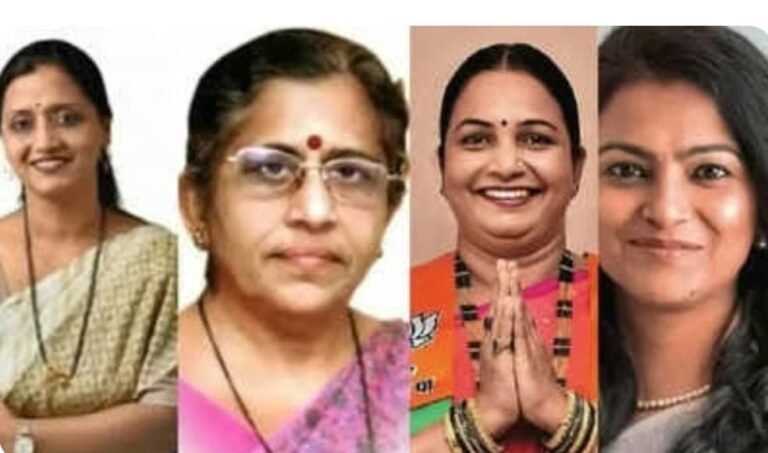
Mumbai BMC Mayor Election: Women Frontrunners Emerge to Lead India’s Richest Civic Body Mumbai | Undercover Editor News Channel, January 23, 2026 Mumbai: The race for the post of Mumbai Mayor has entered a decisive phase, with the Bharatiya Janata Party (BJP) emerging as the frontrunner to reclaim the top position in the Brihanmumbai Municipal Corporation (BMC) after nearly four decades. Following the Urban Development Department’s lottery that reserved the mayor’s post for a woman from the General category, the BJP has narrowed its shortlist to several experienced women corporators. Party sources indicate that the BJP leadership is weighing organisational strength, political strategy, and public appeal as it prepares to make a historic return to the mayor’s chair. The last BJP mayor of Mumbai was Dr Prabhakar Pai in the 1980s. Key Contenders in the BJP Camp Among the leading names is Ritu Tawde, a two-time corporator from Ghatkopar who joined the BJP from the Congress in 2012. Known for her grassroots connect and organisational experience, Tawde is seen as a strong administrative choice. Another prominent contender is Alka Kerkar, a three-time corporator from Bandra West and a former deputy mayor. With close links to the Rashtriya Swayamsevak Sangh (RSS), Kerkar brings both political seniority and organisational backing. Also in the fray is Rajeshree Shirwadkar, a third-term corporator from Sion, who has steadily built a reputation within the party for her civic work and leadership skills. Strategic Choices and Wider Political Calculations Party insiders suggest the final decision will reflect a balance between experience, regional representation, and broader political messaging. The BJP’s potential return to power in Mumbai’s civic body is being seen as a symbolic moment, given the city’s long political history and the party’s absence from the mayor’s post for almost 40 years. Other names under consideration include Tejasvee Ghosalkar from Dahisar, a former Shiv Sena (UBT) corporator. Her candidature is being viewed as a tactical move aligned with Deputy Chief Minister Eknath Shinde’s efforts to mark the birth centenary of late Balasaheb Thackeray. Additional probable contenders include Harshita Narvekar (Fort), Priti Satam (Goregaon), Yogita Koli (Malad), Shital Gambhir (Mahim), and Swapna Mhatre (Bandra West), reflecting the party’s strong pool of women leaders across Mumbai. A Landmark Moment for Civic Politics With the mayor’s post reserved for a woman and the BJP on the cusp of reclaiming the position, the upcoming selection is being closely watched across political circles. The decision is expected to shape the civic and political narrative of Mumbai ahead of the next municipal elections, while also highlighting the growing role of women in urban governance. As the final name is awaited, Mumbai stands at the threshold of a potentially historic chapter in its civic leadership.
BMC Mayoral Race: General Category Woman to Lead India’s Richest Civic Body

BMC Mayoral Race: General Category Woman to Lead India’s Richest Civic Body

BMC Mayoral Race: General Category Woman to Lead India’s Richest Civic Body Mumbai | Undercover Editor News Channel, January 22, 2026 In a significant development ahead of the Brihanmumbai Municipal Corporation (BMC) elections, the post of Mumbai Mayor has been reserved for a woman from the General category, following a reservation lottery conducted by the Maharashtra Urban Development Department on Thursday. The BMC, India’s richest civic body, will thus see a woman mayor from the unreserved category for the upcoming term. The lottery was conducted in the presence of Minister of State for Urban Development Madhuri Misal and attended by representatives from major political parties, including BJP’s Rajesh Shirwadkar, Shiv Sena (UBT) corporator Kishori Pednekar, MLA Manoj Jamsutkar, and NCP leader Anand Paranjape. Reservation Breakdown Across 29 Municipal Corporations Out of the 29 municipal corporations in Maharashtra, mayoral posts have been reserved as follows: With the implementation of the 60% women’s reservation, 15 mayoral posts are reserved for women, while 14 remain in the General category. MMR Mayoral Reservations Announced In the Mumbai Metropolitan Region (MMR), mayoral reservations are as follows: UBT Alleges Rule Violations, Calls Lottery ‘Rigged’ Shiv Sena (UBT) corporator and outgoing Mayor Kishori Pednekar strongly objected to the reservation outcome, alleging that the lottery was conducted in violation of established rules and was “pre-decided.” “For BMC, the mayoral post has been kept in the General category for two consecutive terms. There has never been an OBC woman mayor in Mumbai. This is a grave injustice to OBCs and STs,” Pednekar said. She alleged that a new rule — requiring at least three ST corporators to claim an ST reservation — was introduced deliberately, as only Shiv Sena (UBT) currently has ST corporators in the BMC. “This rule was neither communicated to political parties nor applied transparently. The lottery was manipulated to suit the ruling party,” she claimed. ST Representation Controversy Pednekar further pointed out that in the current BMC House, only the Uddhav Thackeray-led Shiv Sena (UBT) has elected corporators from ST-reserved wards. Ahead of the civic elections, Ward No. 53 and Ward No. 121 were reserved for ST candidates, and both seats were won by UBT nominees. “If there was a genuine rotation policy, BMC should have been reserved for OBC women or ST women. Instead, the reservation was structured to ensure that BJP, which does not have ST women corporators in BMC, faced no disadvantage,” Pednekar alleged. History of Reserved Category Mayors in Mumbai Mumbai has previously seen mayors from different reserved categories: The latest reservation has reignited political debate over fairness, rotation, and representation in the civic governance of Mumbai, with opposition parties warning that the issue could escalate politically and legally in the coming days.
CISF’s ‘Vande Mataram’ Coastal Cyclothon to Roll Out on January 28, Reach Mumbai on February 11

CISF’s ‘Vande Mataram’ Coastal Cyclothon to Roll Out on January 28, Reach Mumbai on February 11

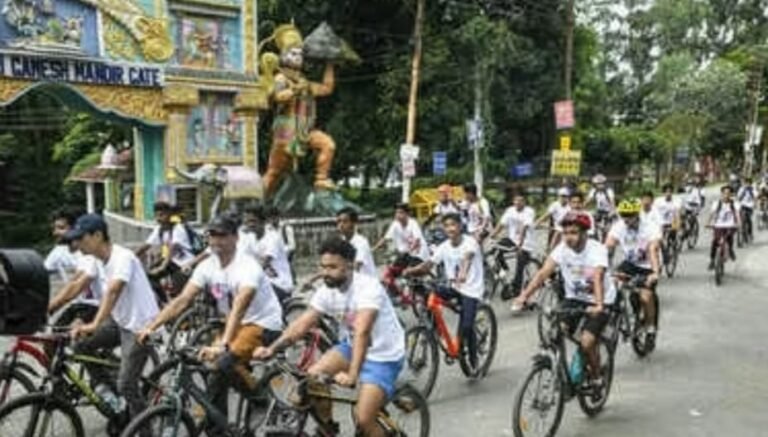
CISF’s ‘Vande Mataram’ Coastal Cyclothon to Roll Out on January 28, Reach Mumbai on February 11 Mumbai | Undercover Editor News Channel, January 20, 2026 Mumbai: The Central Industrial Security Force (CISF) is set to launch the ‘Vande Mataram Coastal Cyclothon 2026’ on January 28, a landmark 25-day, 6,553-kilometre cycling expedition covering India’s entire mainland coastline. The initiative aims to strengthen coastal security awareness, promote national unity, and deepen community participation, particularly among coastal populations. As part of the nationwide journey, the cyclists will enter the Mumbai region on the night of February 10. On February 11, the team will ride from Vasai to the iconic Gateway of India, marking a significant stop in one of the country’s most strategically important coastal cities. Two-Coast Journey, One National Message The cyclothon will begin simultaneously from Lakhpat Fort in Kachchh, Gujarat, on the western coast, and Bakkhali in West Bengal, on the eastern coast. Both teams will travel southward along their respective coastlines and converge at Kochi on February 22, symbolising unity across India’s maritime boundaries. According to Padmakar Ranipse, Additional Director General (South), CISF, the journey is designed not just as a sporting challenge, but as a people-centric outreach programme aimed at strengthening trust between citizens and security forces. Strong Focus on Women Participation In a significant highlight, the 2026 edition will feature 130 CISF cyclists, including 65 women — nearly 50 per cent of the contingent. This marks a dramatic increase from last year, when women made up just 10 per cent of participants. Mamta Rahul, Deputy Inspector General (Western Zone), CISF, said the rising participation of women reflects the force’s commitment to gender inclusion, especially notable as women currently constitute only around 10 per cent of the total CISF workforce. Community Outreach and Coastal Vigilance Beyond endurance cycling, the cyclothon places strong emphasis on grassroots engagement. During overnight halts in coastal villages, teams will conduct: The initiative also seeks to highlight India’s maritime heritage and acknowledge the crucial role played by coastal communities, especially fishermen, in safeguarding the nation’s shoreline. Open to Public Participation The cyclothon is open to civilian cyclists, who can register via the official CISF website and join the expedition for any stretch of the journey. Interested cyclists from Mumbai will have an opportunity to participate during the Vasai-to-Gateway leg on February 11. Honouring Service and Sacrifice Carrying the spirit of ‘Vande Mataram’, the cyclothon honours the sacrifices of freedom fighters, martyrs, and security personnel, while reinforcing the idea that coastal security is a shared national responsibility. All participating cyclists have undergone over a month of rigorous training, covering endurance building, nutrition, long-distance riding safety, and bicycle maintenance, under the guidance of professional trainers. With fitness, patriotism, and public engagement at its core, the CISF Coastal Cyclothon 2026 is poised to become a powerful symbol of vigilance, unity, and national pride along India’s vast coastline.

Recent News

Undercover Editor

From BMC updates, local area developments, railway station news, and crime reports to the latest in politics, sports, Bollywood, lifestyle, travel, and education, we bring you news that’s relevant, reliable, and real-time


Undercover Editor © 2025 – Designed by iCreato