Opposition Cites Nehru’s 1947 Letter to Einstein on Israel-Palestine Issue
New Delhi:
The Indian National Congress on Thursday sharply criticised Prime Minister Narendra Modi for his recent address to the Knesset, describing the speech as an “unabashed defence” of Israeli Prime Minister Benjamin Netanyahu and alleging that it had “diminished India’s moral standing” on the global stage.
Addressing the Israeli Parliament on February 25, Mr. Modi expressed solidarity with Israel and strongly condemned terrorism, referring to the October 7, 2023 attack by Hamas. He stated that “terrorism anywhere threatens peace everywhere” and conveyed condolences on behalf of the Indian people for lives lost in the attack. The Prime Minister emphasised that no cause can justify the killing of civilians and reiterated India’s firm stand against terrorism.
Congress Response
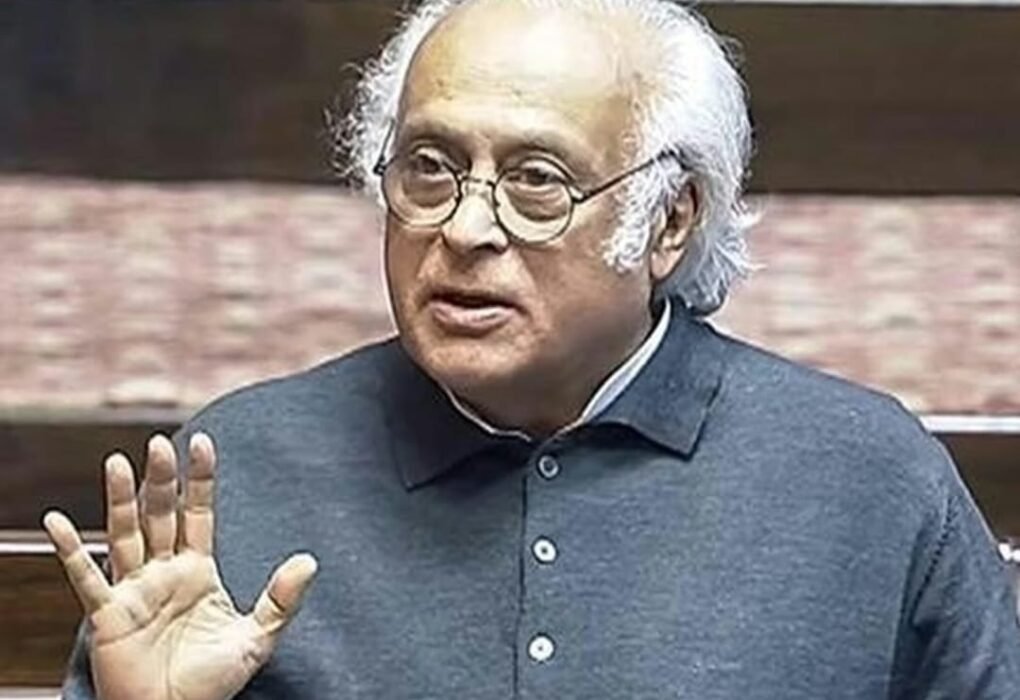
Reacting to the speech, Congress general secretary (communications) Jairam Ramesh said the Prime Minister’s remarks marked a departure from India’s historically balanced approach to the Israel-Palestine issue.
In a statement posted on social media platform X, Mr. Ramesh recalled that India recognised Israel on the day Mr. Modi was born but argued that India’s foreign policy legacy was rooted in a more nuanced position.
He cited a July 11, 1947 letter written by India’s first Prime Minister Jawaharlal Nehru in response to a communication from renowned physicist Albert Einstein regarding the creation of Israel.
Quoting from Nehru’s letter, Mr. Ramesh highlighted that while Nehru expressed sympathy for Jewish aspirations, he also acknowledged the concerns of Arab populations and emphasised the need for a just and mutually agreeable solution. Nehru had written that the issue had become “one of high emotion and deep passion on both sides” and warned that approaches compelling one side against its will would only prolong conflict.
Historical Context Raised
Mr. Ramesh also noted that Nehru and Einstein later met in Princeton in 1949 and exchanged correspondence on global peace and nuclear disarmament in the years that followed. He argued that India’s traditional foreign policy stance was guided by principles of non-alignment, dialogue, and balanced engagement.
In a separate post, the Congress leader referred to criticism of the Prime Minister’s speech by Israeli human rights lawyer Eitay Mack, who reportedly questioned the tone and implications of the address.
Political Debate Over Foreign Policy
The BJP has not formally responded to the Congress criticism at the time of publication. Political observers note that India’s relationship with Israel has significantly expanded over the past decade, particularly in defence, agriculture, and technology cooperation.
India has historically supported a two-state solution to the Israel-Palestine conflict while also strengthening strategic ties with Israel. The latest exchange underscores the continuing domestic political debate over the direction and tone of India’s foreign policy engagements.