



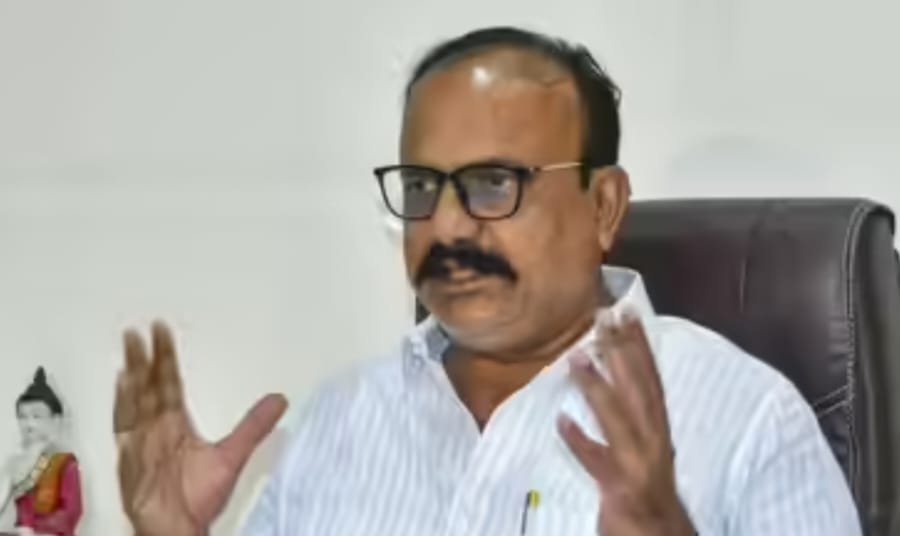


The Maharashtra government is preparing to introduce a new and dedicated redevelopment policy for Mumbai’s decades-old pagdi (rent-controlled) buildings, Deputy Chief Minister Eknath Shinde announced on Thursday.
The move aims to resolve long-pending legal, financial and structural issues that have slowed the redevelopment of thousands of old properties across the city.
19,000 Pagdi Buildings Identified; 13,000 Still Waiting
According to Shinde’s office, Mumbai has nearly 19,000 pagdi buildings, most of them built before 1960.
Of these:
Tenants living in these structures are protected under the Maharashtra Rent Control Act, and thousands of disputes between landlords and tenants remain pending in court — delaying redevelopment further.
Shinde said the existing system offers neither fair compensation to building owners nor timely reconstruction for tenants.
“A fair and just redevelopment system is needed while keeping the rights of tenants and owners intact,” Shinde emphasized.
He added that the government’s upcoming rules would remove bottlenecks and address financial gaps that currently prevent redevelopment from moving forward.
New Rules: What Will They Offer?
Under the proposed policy, the government plans to ensure equitable and transparent redistribution of development rights:
Key Provisions
Shinde said these measures will help prevent structural collapses, reduce financial risk, and bring long-awaited relief to tenants living in dangerous old buildings.
Existing Redevelopment Schemes to Continue
The new framework will not replace current schemes under DDP 2034 sections 33(7) and 33(9).
Instead, it will add an alternative option for buildings that are not able to benefit from previous provisions.
Fast-Track Courts to Clear 28,000 Disputes
One of the biggest hurdles in pagdi building redevelopment is the large backlog of legal disputes between tenants and landlords.
The state government has now decided to set up fast-track courts to settle around 28,000 pending cases — many of which have remained unresolved for decades.
The goal is to complete the resolution process within three years, enabling thousands of families to move into safe, permanent homes with full ownership rights.
Shinde assured that the new rules will be designed to protect all stakeholders:
“No injustice will be done to tenants or owners. The government is committed to resolving every challenge that comes up during the process.”
A Critical Step for Mumbai’s Urban Safety
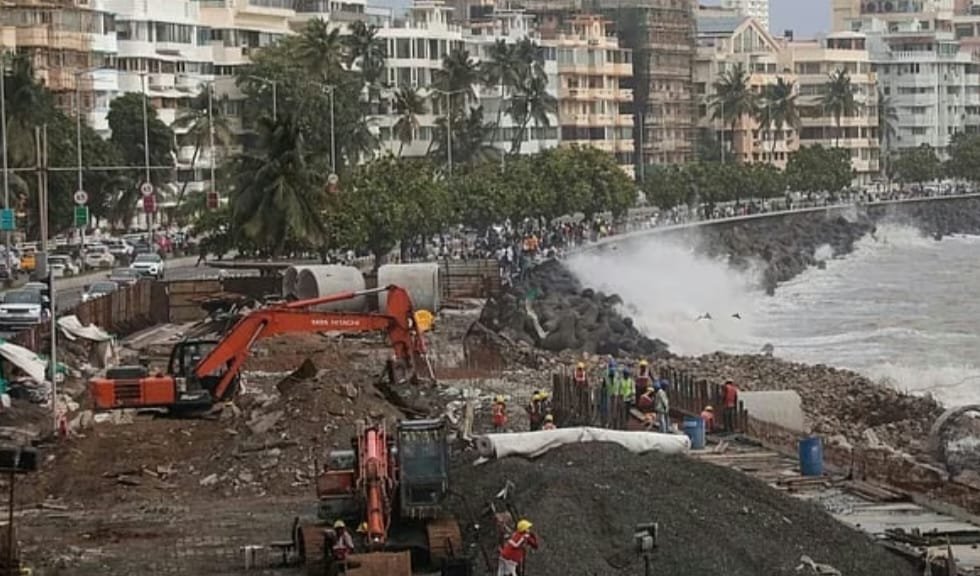
Mumbai faces recurring building collapse incidents, particularly in old rent-controlled structures.
Experts believe the new rules could finally unlock large-scale redevelopment, improve structural safety, and modernize aging neighbourhoods across the city.
As Mumbai continues to grow vertically and structurally, the pagdi redevelopment overhaul could become one of the most significant urban policy moves of the decade.