Mumbai:
At 8.30 am on a weekday, traffic at Andheri’s Gokhale Bridge barely moves. Dust settles thick on windshields, delivery riders rub stinging eyes at traffic signals, and office-goers step off broken footpaths straight into speeding vehicles. Overhead, unfinished streetlights hang with exposed cables — a daily reminder that in Mumbai, construction never truly ends.
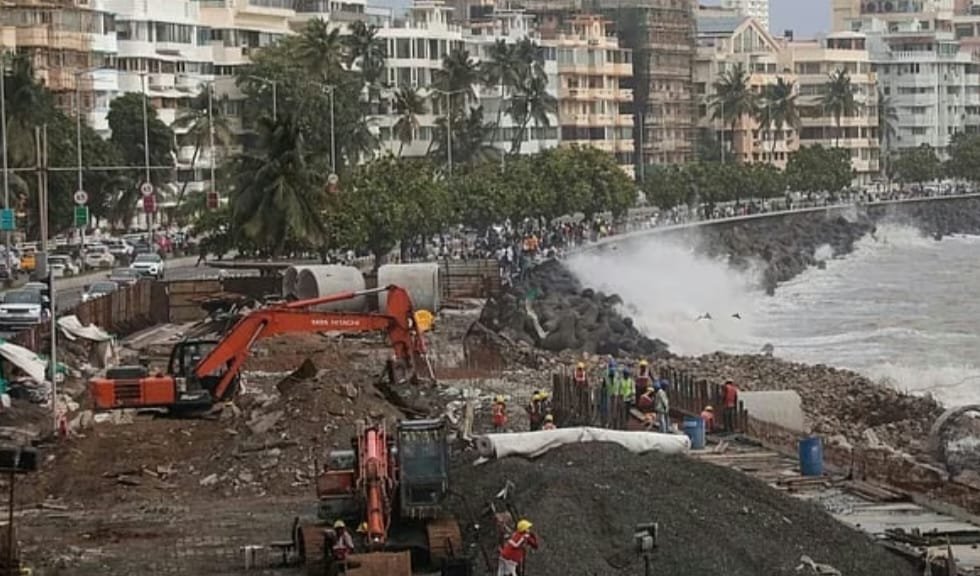
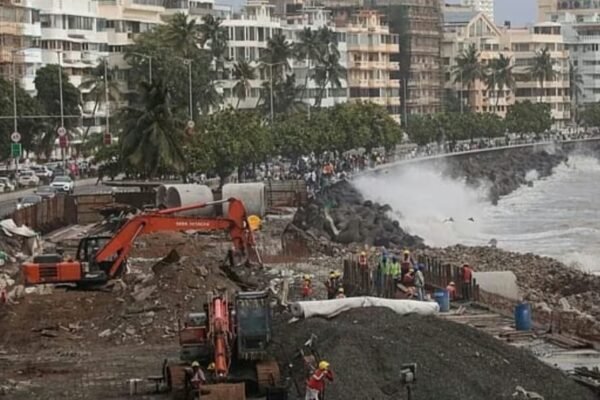
Across the city, from the dense lanes of Dharavi to the crowded suburbs of Andheri and Borivali, Mumbaikars are running out of patience. Roads are dug up repeatedly, footpaths vanish under debris, and barricades appear overnight. What was once seen as the price of development is now widely viewed as a symbol of civic failure.
Mumbai’s identity as India’s financial capital increasingly competes with another reputation — a city perpetually under repair.
Growth Without Planning
Mumbai’s infrastructure crisis did not emerge overnight. Rapid expansion after Independence, particularly from the 1960s onward, pushed the city far beyond what its colonial-era road network was designed to handle. As industries grew and suburbs expanded, planning failed to keep pace with population growth and rising vehicle ownership.
Successive governments promised solutions — flyovers, sea links, coastal roads and Metro corridors — each billed as transformational. Yet for ordinary citizens, daily life remained dominated by potholes, diversions and dust-filled commutes.
One of the most common complaints is the repeated digging of the same roads. A stretch repaired after monsoon is reopened months later for pipelines, cables or drainage, only to be resurfaced again — and then dug up once more.
Urban planners have long warned that fragmented governance lies at the heart of the problem. Multiple agencies work in silos, with little coordination or accountability.
Civic Bodies Under Scrutiny
The Brihanmumbai Municipal Corporation, one of India’s richest municipal bodies, has frequently faced criticism for poor coordination between departments and private utilities. Large-scale road concretisation projects, intended to eliminate potholes, have instead narrowed roads for months and raised concerns over heat retention and waterlogging.
Environmental experts warn that replacing permeable surfaces with concrete has worsened flooding and intensified the city’s heat island effect.
Air pollution adds another layer of concern. Construction dust is now one of Mumbai’s biggest contributors to poor air quality, even as enforcement against violators remains inconsistent.
Courts Step In, Repeatedly
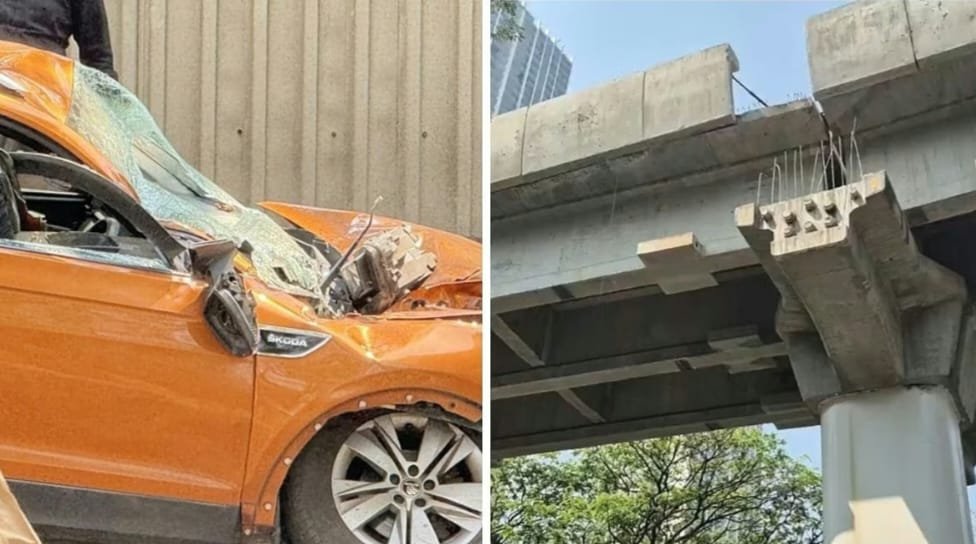
The Bombay High Court has repeatedly intervened, pulling up civic authorities over unsafe roads, potholes and shoddy workmanship. Judges have demanded accountability from contractors and warned that public safety cannot be treated as a seasonal concern.
On illegal hawking and encroachments, the court’s frustration has been equally visible. Despite clear orders to free footpaths and regulate vending zones, enforcement on the ground remains patchy — often influenced by local politics.
Who Really Benefits?
Critics argue that Mumbai’s infrastructure boom has become an industry in itself. Allegations of contractor-politician nexus, inflated contracts and weak monitoring have followed major projects for decades.
Urban experts point out that large infrastructure projects often fuel real-estate speculation, raising land prices and benefiting developers far more than commuters. Meanwhile, basic services like buses, footpaths and drainage struggle for funding and attention.
Citizens increasingly ask a simple question: if taxes are rising and projects are endless, why does daily life keep getting harder?
Redevelopment and Its Cost
Redevelopment has reshaped Mumbai’s skyline, replacing aging buildings with high-rise towers. While many structures genuinely need rebuilding, the boom has brought dust pollution, noise and safety risks. Rules on dust control exist, but compliance varies widely.
Studies have shown that construction and road dust account for a majority of particulate pollution in the city, worsening health outcomes for residents.
A City at a Breaking Point
For auto drivers navigating broken roads, pedestrians squeezed off footpaths, and families breathing polluted air, the anger is deeply personal. Rising fuel costs, vehicle damage and lost time translate into real financial stress.
Sociologists warn that Mumbai’s famous resilience should not be mistaken for acceptance. As trust erodes, frustration grows louder.
Mumbai undeniably needs infrastructure upgrades — safer buildings, better transit and modern utilities. But experts agree that without coordination, transparency and strict enforcement, construction will remain chaos rather than progress.
Until then, as dusk settles over half-finished flyovers and dust-covered streets, Mumbaikars wait at yet another barricade — wondering when development will finally begin to serve the people it was meant for.