Author: Mahesh Rathod

Contrary to popular belief, Lorem Ipsum is not simply random text. It has roots in a piece of classical Latin literature from 45 BC, making it over 2000 years old. Richard McClintock, a Latin professor

मुंबई सिविक चुनावों से पहले बड़ा खुलासा: पिछली BMC हाउस में केवल 2 पार्षद ‘A-ग्रेड’, अधिकांश का प्रदर्शन बेहद कमजोर

मुंबई सिविक चुनावों से पहले बड़ा खुलासा: पिछली BMC हाउस में केवल 2 पार्षद ‘A-ग्रेड’, अधिकांश का प्रदर्शन बेहद कमजोर

मुंबई सिविक चुनावों से पहले बड़ा खुलासा: पिछली BMC हाउस में केवल 2 पार्षद ‘A-ग्रेड’, अधिकांश का प्रदर्शन बेहद कमजोर मुंबई | 16 दिसंबर 2025 | अंडरकवर एडिटर न्यूज़ चैनल मुंबई एक बार फिर नगर निगम चुनावों की ओर बढ़ रही है, लेकिन मतदान से पहले सामने आई एक अहम रिपोर्ट ने शहर की सिविक गवर्नेंस पर गंभीर सवाल खड़े कर दिए हैं। प्रजा फाउंडेशन (Praja Foundation) द्वारा जारी हालिया रिपोर्ट के अनुसार, 2017 से 2021 के कार्यकाल वाली बृहन्मुंबई महानगरपालिका (BMC) की अंतिम हाउस में अधिकांश पार्षद अपने दायित्वों पर खरे नहीं उतर सके। रिपोर्ट के मुताबिक, मूल्यांकन किए गए 220 पार्षदों में से सिर्फ दो पार्षदों को ही ‘A’ ग्रेड मिला, जबकि लगभग 90 प्रतिशत पार्षद औसत से भी नीचे प्रदर्शन करते पाए गए। यह खुलासा ऐसे समय पर हुआ है, जब मुंबई के मतदाता नए प्रतिनिधियों को चुनने की तैयारी कर रहे हैं। ग्रेडिंग रिपोर्ट: आंकड़े जो चिंता बढ़ाते हैं प्रजा फाउंडेशन की रिपोर्ट में पार्षदों को 100 अंकों के पैमाने पर आंका गया: कुल 227 पार्षदों में से 7 को मेयर पद या अधूरे कार्यकाल के कारण मूल्यांकन से बाहर रखा गया। रिपोर्ट साफ संकेत देती है कि मुंबई की सिविक राजनीति में जवाबदेही और सक्रियता की भारी कमी रही। उपस्थिति और भागीदारी पर सवाल रिपोर्ट में यह भी सामने आया कि समिति बैठकों में पार्षदों की उपस्थिति लगातार घटती गई। इसके साथ ही: यह स्थिति तब और गंभीर हो जाती है, जब BMC जैसे विशाल और संसाधन-समृद्ध निकाय से बेहतर प्रदर्शन की अपेक्षा की जाती है। प्रणालीगत खामियां उजागर रिपोर्ट ने BMC के कामकाज में कई बुनियादी कमजोरियों की ओर भी इशारा किया: चुनाव से पहले मतदाताओं के लिए अहम संदेश यह रिपोर्ट आगामी नगर निगम चुनावों से पहले मतदाताओं के लिए एक महत्वपूर्ण चेतावनी है। नागरिक अब पार्षदों के पुराने प्रदर्शन के आधार पर बेहतर निर्णय ले सकते हैं। रिपोर्ट यह भी रेखांकित करती है कि चुनाव के बाद पारदर्शिता, उपस्थिति रिकॉर्ड और सार्वजनिक डैशबोर्ड जैसी व्यवस्थाओं की मांग और तेज हो सकती है। एक नागरिक कार्यकर्ता ने कहा, “यह रिपोर्ट साफ बताती है कि मुंबई को ऐसे जनप्रतिनिधियों की जरूरत है जो सिर्फ वादे नहीं, बल्कि ठोस और मापने योग्य काम करके दिखाएं।” चुनावी पृष्ठभूमि गौरतलब है कि महाराष्ट्र राज्य निर्वाचन आयोग ने हाल ही में घोषणा की है कि BMC सहित राज्य के 29 नगर निगमों में 15 जनवरी 2026 को मतदान होगा, जबकि 16 जनवरी को नतीजे घोषित किए जाएंगे। नामांकन प्रक्रिया 23 से 30 दिसंबर के बीच चलेगी। निष्कर्ष देश की आर्थिक राजधानी कही जाने वाली मुंबई के लिए यह रिपोर्ट एक आईना है। आने वाले चुनाव केवल सत्ता परिवर्तन का अवसर नहीं, बल्कि जवाबदेह, सक्रिय और परिणाम-उन्मुख नगर प्रशासन की दिशा में एक निर्णायक कदम साबित हो सकते हैं।
मुंबई सिविक चुनावों से पहले बड़ा खुलासा: पिछली BMC हाउस में केवल 2 पार्षद ‘A-ग्रेड’, अधिकांश का प्रदर्शन बेहद कमजोर

Mumbai Civic Polls Ahead: Only 2 ‘A-Grade’ Corporators in Last BMC House, Majority Failed to Deliver

Mumbai Civic Polls Ahead: Only 2 ‘A-Grade’ Corporators in Last BMC House, Majority Failed to Deliver Mumbai | December 16, 2025 | Undercover Editor News Channel As Mumbai prepares for crucial civic elections, a damning performance report on the outgoing Brihanmumbai Municipal Corporation (BMC) has raised serious concerns about the quality of local governance in India’s financial capital. A study released by the Praja Foundation reveals that the vast majority of corporators in the final year of the 2017–2021 BMC House underperformed—despite the unprecedented challenges posed by the Covid-19 pandemic. Out of 220 corporators evaluated, only two earned an ‘A’ grade, while nearly 90 percent scored below average, highlighting a worrying gap between public expectations and actual performance. Performance Grades Paint a Grim Picture The Praja Foundation assessed corporators on a 100-point scale, focusing on attendance, participation, and civic engagement: Of the total 227 corporators, seven were excluded from evaluation due to mayoral responsibilities or incomplete tenures. Falling Attendance and Weak Participation The report highlights a steady decline in civic participation even before the pandemic struck: These findings point to a deeper structural problem rather than a temporary disruption caused by the pandemic. Systemic Failures Within the BMC Beyond individual performance, the report flags persistent institutional shortcomings: What This Means for Mumbai’s Voters With civic elections around the corner, the findings provide voters with rare, data-driven insight into how their representatives performed in office. The report strengthens the case for demanding: A citizen activist summed it up bluntly: “The report makes it clear that Mumbai needs representatives who can show measurable accountability, not just political presence.” Election Context The Maharashtra State Election Commission has announced that polling for 29 municipal corporations, including the BMC, will be held on January 15, 2026, with counting scheduled for January 16, 2026. The nomination process will run from December 23 to December 30. A Moment of Reckoning As India’s richest civic body heads into elections, the Praja Foundation report serves as a wake-up call. The upcoming polls are not just about political control, but about redefining civic leadership, accountability, and performance in a city that demands—and deserves—better governance.
महाराष्ट्र नगर निकाय चुनावों की घोषणा: 15 जनवरी को BMC सहित 28 नगर निगमों में मतदान

महाराष्ट्र नगर निकाय चुनावों की घोषणा: 15 जनवरी को BMC सहित 28 नगर निगमों में मतदान

महाराष्ट्र नगर निकाय चुनावों की घोषणा: 15 जनवरी को BMC सहित 28 नगर निगमों में मतदान मुंबई | अंडरकवर एडिटर न्यूज़ चैनल | 15 दिसंबर, 2025 महाराष्ट्र राज्य निर्वाचन आयोग ने सोमवार को राज्य के 29 नगर निगमों—जिसमें देश का सबसे समृद्ध नगर निकाय बृहन्मुंबई महानगरपालिका (BMC) भी शामिल है—के चुनाव कार्यक्रम की घोषणा कर दी। यह घोषणा महाराष्ट्र की शहरी राजनीति और स्थानीय प्रशासन के लिहाज़ से एक अहम पड़ाव मानी जा रही है। राज्य निर्वाचन आयुक्त दिनेश वाघमारे ने मुंबई में आयोजित प्रेस कॉन्फ्रेंस में बताया कि सभी 29 नगर निगमों के लिए मतदान एक ही चरण में 15 जनवरी, 2026 को कराया जाएगा, जबकि मतगणना 16 जनवरी, 2026 को होगी। चुनाव कार्यक्रम की घोषणा के साथ ही नगर निगम चुनावों के लिए आदर्श आचार संहिता (Model Code of Conduct) तत्काल प्रभाव से लागू हो गई है। इसके तहत सरकारी घोषणाओं, तबादलों और प्रचार से जुड़ी गतिविधियों पर रोक लग गई है। नगर निगम चुनावों की प्रमुख तारीखें निर्वाचन आयोग द्वारा जारी कार्यक्रम के अनुसार: इन चुनावों के माध्यम से राज्यभर में कुल 2,869 नगरसेवकों का चुनाव किया जाएगा। तीन करोड़ से अधिक मतदाताओं के मतदान की उम्मीद इन नगर निगम चुनावों में तीन करोड़ से अधिक मतदाता अपने मताधिकार का प्रयोग करेंगे। मतदान प्रक्रिया इलेक्ट्रॉनिक वोटिंग मशीन (EVM) के माध्यम से संपन्न कराई जाएगी। मतदाता सूची में दोहराव की समस्या से निपटने के लिए निर्वाचन आयोग ने विशेष व्यवस्था की है। जिन मतदाताओं के नाम एक से अधिक स्थानों पर दर्ज हैं, उनके नाम के आगे डबल स्टार (*) का निशान लगाया जाएगा। ऐसे मतदाताओं को यह घोषणा-पत्र और हलफनामा देना होगा कि वे किस मतदान केंद्र पर वोट डालेंगे। चुनाव प्रचार मतदान से 24 घंटे पहले समाप्त कर दिया जाएगा। इन प्रमुख नगर निगमों में होंगे चुनाव महाराष्ट्र के कई बड़े शहरी निकाय इस चुनाव प्रक्रिया का हिस्सा होंगे, जिनमें शामिल हैं: (कुल 29 नगर निगम) राजनीतिक दांव ऊंचे इन नगर निगम चुनावों—विशेषकर BMC चुनाव—को आगामी विधानसभा और लोकसभा चुनावों से पहले राजनीतिक ताकत की बड़ी परीक्षा माना जा रहा है। देश के सबसे अमीर नगर निगम BMC पर नियंत्रण राजनीतिक और प्रशासनिक दृष्टि से अत्यंत महत्वपूर्ण माना जाता है। पृष्ठभूमि: स्थानीय निकाय चुनाव पहले ही शुरू गौरतलब है कि महाराष्ट्र में स्थानीय निकाय चुनावों के पहले चरण में 2 दिसंबर को 264 नगर परिषदों और नगर पंचायतों के लिए मतदान हो चुका है। 24 स्थानीय निकायों में चुनाव स्थगित किए गए थे, जिनके नतीजे 21 दिसंबर को घोषित होने की उम्मीद है। महाराष्ट्र में चुनावी माहौल तेज़ होने के साथ ही अब निगाहें उम्मीदवारों के चयन, राजनीतिक गठबंधनों और प्रचार रणनीतियों पर टिक गई हैं। आने वाले हफ्तों में शहरी विकास और नागरिक सुविधाओं से जुड़े मुद्दे चुनावी बहस के केंद्र में रहने की संभावना है।
महाराष्ट्र नगर निकाय चुनावों की घोषणा: 15 जनवरी को BMC सहित 28 नगर निगमों में मतदान

Maharashtra Civic Polls Announced: BMC and 28 Municipal Corporations to Vote on January 15

Maharashtra Civic Polls Announced: BMC and 28 Municipal Corporations to Vote on January 15 Mumbai | Undercover Editor News Channel | December 15, 2025 The Maharashtra State Election Commission on Monday announced the much-awaited schedule for elections to 29 municipal corporations across the state, including the Brihanmumbai Municipal Corporation (BMC), marking a crucial phase in Maharashtra’s local governance and political landscape. State Election Commissioner Dinesh Waghmare, addressing a press conference in Mumbai, said that polling for all 29 municipal corporations will be conducted in a single phase on January 15, 2026, while the counting of votes will take place on January 16, 2026. With the announcement, the Model Code of Conduct (MCC) for municipal corporations has come into force with immediate effect, putting restrictions on government announcements, transfers, and campaign-related activities. Key Dates for Civic Elections According to the official schedule released by the Election Commission: A total of 2,869 corporators will be elected across the 29 municipal corporations. Over Three Crore Voters Expected More than three crore voters are expected to exercise their franchise in these civic polls, which will be conducted using Electronic Voting Machines (EVMs). To tackle the issue of duplicate entries in electoral rolls, the Election Commission has introduced a special mechanism. Voters whose names appear more than once will have a double-star mark next to their names and will be required to submit a written declaration along with an affidavit, specifying the polling station where they intend to vote. Campaigning for the elections will end 24 hours before polling day, in line with election norms. Municipal Corporations Going to Polls The elections will cover major urban civic bodies across Maharashtra, including: (and others, totalling 29 municipal corporations) Political Stakes High The civic polls, particularly the BMC elections, are being closely watched as they are seen as a test of political strength ahead of future Assembly and Lok Sabha contests. Control over municipal corporations — especially the BMC, India’s richest civic body — carries enormous political and administrative influence. Background: Local Body Elections Underway It may be noted that voting for the first phase of local body elections in Maharashtra took place on December 2, covering 264 municipal councils and nagar panchayats. Elections in 24 local bodies were postponed, with results expected to be declared on December 21. As Maharashtra heads into a critical election season, the focus now shifts to candidate selection, alliances, and campaigning, with urban governance issues set to dominate public discourse in the coming weeks.
मुंबई महानगरपालिका की जंग: दहिसर–बोरीवली में मैंग्रोव कटाई और प्रदूषित नदी बने चुनावी मुद्दे

मुंबई महानगरपालिका की जंग: दहिसर–बोरीवली में मैंग्रोव कटाई और प्रदूषित नदी बने चुनावी मुद्दे

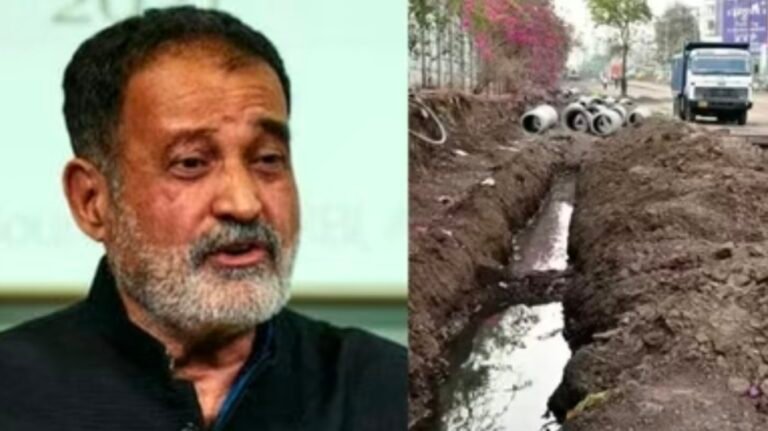
मुंबई महानगरपालिका की जंग: दहिसर–बोरीवली में मैंग्रोव कटाई और प्रदूषित नदी बने चुनावी मुद्दे मुंबई | Undercover Editor News Channel आगामी बृहन्मुंबई महानगरपालिका (BMC) चुनावों से पहले उत्तर मुंबई के दहिसर और बोरीवली इलाकों में राजनीति का केंद्र विकास नहीं, बल्कि पर्यावरणीय संकट और बुनियादी सुविधाओं की बदहाली बनता जा रहा है। आर नॉर्थ वार्ड में चुनाव लड़ने की तैयारी कर रहे उम्मीदवारों के सामने सबसे बड़ी चुनौती तेज़ी से खत्म होते मैंग्रोव और एक समय की जीवनदायिनी दहिसर नदी का नाले में तब्दील हो जाना है। मैंग्रोव का विनाश, बढ़ती चिंता         पर्यावरण कार्यकर्ताओं का कहना है कि दहिसर (पश्चिम) में बीते तीन दशकों में मैंग्रोव क्षेत्र में भारी गिरावट आई है। पर्यावरण कार्यकर्ता हरीश पांडे के अनुसार, “अगर 1995 की हवाई तस्वीरों की तुलना आज की स्थिति से की जाए, तो साफ दिखेगा कि किस तरह मैंग्रोव खत्म होते गए और उनकी जगह नई संरचनाएँ खड़ी हो गईं।” दूसरे चरण के कोस्टल रोड प्रोजेक्ट ने स्थानीय नागरिकों की चिंता और बढ़ा दी है। कितने पेड़ काटे जाएंगे, उनका मुआवजा कैसे दिया जाएगा और इसके बाद पर्यावरण पर क्या असर पड़ेगा—इन सवालों का अब तक कोई स्पष्ट जवाब नहीं है। दहिसर नदी की सफाई अब भी अधूरी दहिसर नदी के पुनर्जीवन की योजनाएँ वर्षों से कागज़ों में ही सीमित हैं। बीएमसी द्वारा दहिसर (पश्चिम) में सीवेज ट्रीटमेंट प्लांट (STP) बनाया जा रहा है, जिसका उद्देश्य गंदे पानी को नदी में जाने से रोकना है। लेकिन विशेषज्ञों का कहना है कि असली चुनौती इसका सख़्त क्रियान्वयन है। हरीश पांडे एक उदाहरण देते हुए कहते हैं, “बोरीवली (पूर्व) में STP चालू है, फिर भी तबेलों का कचरा नदी में डाला जा रहा है। इससे पूरे प्रोजेक्ट का उद्देश्य ही खत्म हो जाता है।” टूटी सड़के, गायब फुटपाथ                स्थानीय समस्याएँ केवल पर्यावरण तक सीमित नहीं हैं। आर्किटेक्ट और पूर्व कांग्रेस नगरसेविका शीटल अशोक म्हात्रे ने फुटपाथों की खराब हालत और उपेक्षित उद्यानों को लेकर तीखी नाराज़गी जताई। उन्होंने कहा, “न्यू लिंक रोड पर तुकाराम ओंबले गार्डन 2009 में 4 करोड़ रुपये की लागत से बना था, लेकिन आज खंडहर जैसी हालत में है। मैंने बीएमसी, सांसद और विधायक को कई बार पत्र लिखे, लेकिन कोई कार्रवाई नहीं हुई।” सामाजिक कार्यकर्ता कैसेंड्रा नज़रथ ने बताया कि कई आंतरिक सड़कों पर फुटपाथ हैं ही नहीं। “पार्किंग और फेरीवाले पूरी लेन घेर लेते हैं। पैदल चलने वालों को जान जोखिम में डालकर सड़क पर चलना पड़ता है।” आरक्षण और राजनीतिक उलटफेर वार्ड आरक्षण में बदलाव के कारण कई पुराने नगरसेवकों की राजनीतिक राह मुश्किल हो गई है। प्रभाग 1 से एक दशक तक प्रतिनिधित्व करने वाले दिवंगत अभिषेक घोसालकर और उनकी पत्नी तेजस्वी घोसालकर अब आरक्षित सीट के कारण नए क्षेत्र की तलाश में हैं। जवाबदेही की मांग पूर्व भाजपा नगरसेवक हरीश छेड़ा ने सुझाव दिया कि उन बीएमसी इंजीनियरों पर दंडात्मक कार्रवाई होनी चाहिए जो एक ही सड़क या नाली पर बार-बार काम कराते हैं, बिना स्थायी समाधान के। स्वास्थ्य और कनेक्टिविटी भी बड़ा मुद्दा नागरिकों का कहना है कि भगवती अस्पताल के दूसरे चरण का उद्घाटन अब तक न होना गंभीर चिंता का विषय है। पूर्व शिवसेना नगरसेविका शीटल मुकेश म्हात्रे के अनुसार, “दक्षिण मुंबई से कनेक्टिविटी और भगवती अस्पताल का पूरा होना आर नॉर्थ वार्ड के लोगों के लिए बेहद अहम है।” चुनाव से पहले असली सवाल जैसे-जैसे BMC चुनाव नज़दीक आ रहे हैं, दहिसर और बोरीवली के मतदाता अब बड़े वादों से ज्यादा ठोस समाधान चाहते हैं। पर्यावरण संरक्षण, सुरक्षित पैदल मार्ग, साफ़ नदी और बेहतर स्वास्थ्य सुविधाएँ—ये मुद्दे तय करेंगे कि इस बार जनता किस पर भरोसा जताती है। एक बात साफ है: आर नॉर्थ वार्ड में यह चुनाव सिर्फ़ राजनीति का नहीं, बल्कि पर्यावरण और नागरिक जीवन की गुणवत्ता का भी इम्तिहान है।
मुंबई महानगरपालिका की जंग: दहिसर–बोरीवली में मैंग्रोव कटाई और प्रदूषित नदी बने चुनावी मुद्दे

Battle for Mumbai’s Civic Body: Mangroves, Polluted River Dominate Election Discourse in Dahisar–Borivli

Battle for Mumbai’s Civic Body: Mangroves, Polluted River Dominate Election Discourse in Dahisar–Borivli Mumbai | Undercover Editor News Channel As Mumbai prepares for its next civic elections, the political spotlight in the R North ward — covering large parts of Dahisar and Borivli — has shifted decisively from party equations to environmental survival and failing civic infrastructure. At the city’s northern edge, shrinking mangrove cover and the steady decline of the Dahisar River have emerged as defining concerns for voters and candidates alike. Once an ecological asset, the river today resembles an open drain, reflecting years of neglect, weak enforcement, and unchecked urban expansion. Vanishing Mangroves Raise Alarm Environmental activists warn that mangrove destruction in Dahisar West has reached alarming levels. Comparing aerial images from the mid-1990s with the current landscape reveals the scale of loss, with concrete structures steadily replacing green buffers. “Urban development has been allowed to override ecological balance,” said environmental activist Harish Pandey. “Residents are deeply anxious about the next phase of the Coastal Road project. People want to know how many trees will be cut, whether compensatory plantation will actually happen, and what long-term damage the area will suffer.” Mangroves play a crucial role in flood control and coastal protection — a fact not lost on residents who have witnessed increased waterlogging and erosion in recent years. Dahisar River Still Choking on Pollution Despite repeated promises, efforts to rejuvenate the Dahisar River have made little visible impact. While the Brihanmumbai Municipal Corporation (BMC) is constructing a sewage treatment plant (STP) in Dahisar West to prevent sewage from entering the river, activists argue that enforcement remains the weak link. Pandey pointed to a troubling contradiction. “An STP is already operational in Borivli East, yet waste from nearby cow sheds continues to be dumped into the river. Without strict monitoring, infrastructure alone achieves nothing.” The polluted river has become a symbol of policy gaps — where projects exist on paper but fail to deliver outcomes on the ground. Broken Footpaths, Neglected Gardens Beyond environmental issues, everyday civic amenities are also fuelling voter frustration. Architect and former Congress corporator Sheetal Ashok Mhatre, who plans to contest the elections, criticised the poor condition of footpaths and public gardens. “Tukaram Omble Garden on New Link Road was built at a cost of ₹4 crore in 2009. Today, it is in ruins,” she said, adding that repeated appeals to civic officials and elected representatives have yielded no action. Activist Cassandra Nazreth highlighted the absence of pavements on several internal roads. “Vendors and parked vehicles occupy entire lanes. Pedestrians are forced to walk dangerously close to moving traffic,” she said. Despite years of campaigning, even basic signage near key flyovers remains missing. Health Infrastructure and Daily Commutes Healthcare access is another unresolved issue. Residents point out that the long-awaited second phase of the civic-run Bhagwati Hospital is yet to be inaugurated. “The hospital and better connectivity to south Mumbai are critical for this ward,” said former Shiv Sena corporator Sheetal Mukesh Mhatre. “Most residents travel long distances daily for work, and public health facilities remain overstretched.” Political Shifts Add to Uncertainty The reservation of seats has also reshaped the political landscape. With certain wards now reserved, long-serving corporators are being forced to search for new constituencies. Former BJP corporator Harish Chheda has suggested introducing accountability measures, including punitive clauses for civic engineers who repeatedly redo the same works without lasting solutions. As campaigning gathers pace, R North ward presents a clear message: voters are no longer swayed by slogans alone. Environmental protection, safe mobility, functional infrastructure, and accountable governance have become central to the civic debate. In Dahisar and Borivli, the fight for the BMC is no longer just political — it is about reclaiming livability in one of Mumbai’s most rapidly changing regions.
शीर्षक: मित्र, विरोधी और अवसरवादी: मुंबई की BMC राजनीति में गठबंधन बार-बार क्यों बदलते हैं

शीर्षक: मित्र, विरोधी और अवसरवादी: मुंबई की BMC राजनीति में गठबंधन बार-बार क्यों बदलते हैं

शीर्षक: मित्र, विरोधी और अवसरवादी: मुंबई की BMC राजनीति में गठबंधन बार-बार क्यों बदलते हैं मुंबई | अंडरकवर एडिटर न्यूज़ चैनल | 14 दिसंबर 2025 मुंबई की नगर राजनीति कभी स्थायी मित्रता पर आधारित नहीं रही। यहां सत्ता की राजनीति हमेशा बदलते समीकरणों, रणनीतिक साझेदारियों और अचानक टूटने वाले गठबंधनों से संचालित होती रही है। इसका एक ही बड़ा कारण है — देश की सबसे समृद्ध महानगरपालिका, बृहन्मुंबई महानगरपालिका (BMC) पर नियंत्रण। आगामी BMC चुनाव जैसे-जैसे नज़दीक आ रहे हैं, पुराने राजनीतिक पैटर्न एक बार फिर उभरने लगे हैं। पुराने सहयोगी अपने रिश्तों पर पुनर्विचार कर रहे हैं, कट्टर प्रतिद्वंद्वी नए समीकरण तलाश रहे हैं और राजनीतिक दल विचारधारा तथा चुनावी गणित के बीच संतुलन साधने में जुटे हैं। बदलते गठबंधनों का शहर मुंबई की नगर राजनीति का इतिहास बार-बार बदलते गठबंधनों से भरा पड़ा है। जिन दलों ने कभी एक-दूसरे के खिलाफ तीखा संघर्ष किया, वही समय आने पर सत्ता में साझेदार बने। परिस्थितियां बदलीं तो वही गठबंधन टूट भी गए। यह बदलाव अक्सर व्यक्तिगत टकराव से नहीं, बल्कि मुंबई के जटिल मतदाता ढांचे, वार्ड-स्तरीय समीकरणों और BMC की अपार आर्थिक व प्रशासनिक शक्ति से प्रेरित रहे हैं। शिवसेना: विचारधारा से व्यावहारिक राजनीति तक मुंबई में शिवसेना की राजनीतिक यात्रा इस लचीलापन की सबसे स्पष्ट मिसाल है। मराठी अस्मिता और हिंदुत्व की मजबूत विचारधारा पर खड़ी यह पार्टी, आवश्यकता पड़ने पर वैचारिक सीमाओं से परे जाकर गठबंधन करने से कभी नहीं हिचकी। 1960 के दशक के अंत में समाजवादी दलों के साथ गठजोड़ से लेकर 1970 के दशक में रिपब्लिकन पार्टी के गुटों के साथ अप्रत्याशित समझौतों तक, शिवसेना ने कई बार राजनीतिक विश्लेषकों को चौंकाया। भाजपा के साथ उसका दीर्घकालिक गठबंधन — जिसमें सहयोग और प्रतिस्पर्धा दोनों शामिल रहे — लगभग दो दशकों तक मुंबई की राजनीति पर हावी रहा। हालांकि 2017 के BMC चुनावों से पहले इस रिश्ते में दरार साफ दिखाई देने लगी। 2022 में पार्टी विभाजन के बाद समीकरण और जटिल हो गए। आज उद्धव ठाकरे के नेतृत्व वाली शिवसेना (उद्धव बालासाहेब ठाकरे) नए विकल्पों पर विचार कर रही है, वहीं जरूरत पड़ने पर अकेले चुनाव लड़ने का संकेत भी दे रही है। कांग्रेस: प्रभुत्व से रणनीतिक सतर्कता तक एक समय मुंबई की राजनीति पर पूरी तरह हावी रहने वाली कांग्रेस आज कहीं अधिक प्रतिस्पर्धी माहौल में खुद को स्थापित करने की कोशिश कर रही है। स्वतंत्रता के बाद कई दशकों तक नगर निगम चुनाव कांग्रेस के भीतर गुटीय संघर्ष तक सीमित रहते थे। लेकिन शिवसेना, भाजपा और अन्य क्षेत्रीय दलों के उभार ने उस वर्चस्व को धीरे-धीरे कमजोर कर दिया। प्रासंगिक बने रहने के लिए कांग्रेस ने समय-समय पर रिपब्लिकन पार्टी ऑफ इंडिया, राष्ट्रवादी कांग्रेस पार्टी (NCP) और अन्य गठबंधनों का सहारा लिया। पार्टी नेताओं का मानना है कि इन गठबंधनों से अल्पकालिक लाभ तो मिला, लेकिन संगठनात्मक मजबूती को नुकसान भी पहुंचा। इसी अनुभव के चलते अब पार्टी का मुंबई नेतृत्व BMC चुनाव अकेले लड़ने पर जोर दे रहा है। नेतृत्व का मानना है कि स्थानीय निकाय चुनाव जमीनी स्तर पर संगठन को फिर से मजबूत करने का अवसर हैं, न कि केवल सहयोगियों पर निर्भर रहने का माध्यम। भाजपा और महायुति की रणनीति सत्तारूढ़ पक्ष में भाजपा मुंबई की सबसे संगठित और संसाधन-संपन्न पार्टी के रूप में BMC चुनावी मैदान में उतर रही है। हालांकि उसकी रणनीति गठबंधन आधारित है। भाजपा, एकनाथ शिंदे के नेतृत्व वाली शिवसेना और अजित पवार की NCP से मिलकर बनी महायुति संयुक्त रणनीति पर काम कर रही है। सीटों के बंटवारे को लेकर भाजपा नेताओं का कहना है कि निर्णय ‘तकनीकी और रणनीतिक’ आधार पर लिए जाएंगे। यानी वार्ड-स्तरीय गणित और जमीनी समीकरण प्राथमिक भूमिका निभाएंगे। उद्देश्य स्पष्ट है — मतों का बिखराव रोकना और सत्ता पर पकड़ बनाए रखना। गठबंधन बार-बार क्यों बदलते हैं? मुंबई की राजनीति में गठबंधन बदलने के पीछे मुख्य रूप से तीन कारण हैं: आगे क्या? जैसे-जैसे चुनावी तैयारियां तेज होंगी, मुंबई एक बार फिर नए गठबंधनों या मौजूदा समझौतों के टूटने का गवाह बन सकती है। कुछ दल भाजपा के वर्चस्व को चुनौती देने के लिए एकजुटता को जरूरी मानते हैं, जबकि अन्य अपनी पहचान और संगठन बचाने के लिए स्वतंत्र रास्ता चुनने के पक्षधर हैं। इतिहास एक बात साफ करता है — मुंबई की BMC राजनीति में स्थायित्व अपवाद है। यहां नियम हमेशा एक ही रहा है: आज का सहयोगी, कल का प्रतिद्वंद्वी हो सकता है।  
शीर्षक: मित्र, विरोधी और अवसरवादी: मुंबई की BMC राजनीति में गठबंधन बार-बार क्यों बदलते हैं

Friends, Foes, Frenemies: Why Political Alliances in Mumbai’s BMC Polls Keep Changing

Friends, Foes, Frenemies: Why Political Alliances in Mumbai’s BMC Polls Keep Changing Mumbai | Undercover Editor News Channel | December 14, 2025 Mumbai’s civic politics has rarely been about permanent friendships. Instead, it has been shaped by shifting loyalties, tactical partnerships, and sudden breakups — all driven by one high-stakes prize: control of the Brihanmumbai Municipal Corporation (BMC), India’s richest civic body. As the city moves closer to the upcoming BMC elections, expected early next year, familiar patterns are resurfacing. Allies are reconsidering old ties, rivals are exploring new equations, and parties are once again weighing ideology against electoral arithmetic. A City Where Alliances Are Fluid Over the decades, Mumbai’s municipal politics has witnessed repeated realignments. Parties that once fought bitterly against each other have shared power, only to part ways when political circumstances shifted. These frequent changes are less about personal rivalries and more about adapting to Mumbai’s complex voter base, ward-level dynamics, and the immense financial and administrative power of the BMC. Shiv Sena: From Ideology to Adaptability The Shiv Sena’s political journey in Mumbai best reflects this flexibility. Founded on a strong Hindutva and Marathi identity plank, the party has never hesitated to forge alliances beyond ideological comfort when the situation demanded. From its early association with socialist parties in the late 1960s, to unexpected tie-ups with Republican Party factions in the 1970s, the Sena repeatedly surprised observers. Its long-standing alliance with the BJP — marked by both cooperation and rivalry — dominated Mumbai politics for two decades, before cracks emerged ahead of the 2017 BMC polls. The post-2022 split in the party further reshaped equations. Today, the Uddhav Thackeray-led Shiv Sena (UBT) is reassessing options, including the possibility of new alliances, even as it signals readiness to contest independently if required. Congress: From Dominance to Strategic Caution Once the undisputed force in Mumbai, the Congress now finds itself navigating a far more crowded political field. In the decades after Independence, civic elections were largely internal contests within the party. But the rise of the Shiv Sena, BJP, and regional players steadily eroded that dominance. To stay relevant, the Congress increasingly leaned on alliances — with the Republican Party of India, the NCP, and later broader coalitions. While these arrangements delivered short-term gains, party leaders argue they weakened the Congress’s organisational base over time. That experience appears to be shaping current thinking. The party’s Mumbai unit has pushed strongly for contesting the BMC polls on its own, a view that has found acceptance at the national level. Leaders say local body elections are an opportunity to rebuild grassroots strength rather than depend on partners. BJP and the Mahayuti Strategy On the ruling side, the BJP enters the BMC battle as the most resource-rich and organisationally strong party in Mumbai. Its approach, however, is coalition-driven. The Mahayuti alliance — comprising the BJP, the Eknath Shinde-led Shiv Sena, and the Ajit Pawar-led NCP — is preparing a joint strategy. Seat-sharing, BJP leaders indicate, will be guided by “technical and strategic” considerations, reflecting ward-level calculations rather than rigid formulas. The aim is clear: consolidate votes and prevent fragmentation in a tightly contested civic race. Why Alliances Keep Changing At the heart of Mumbai’s alliance churn are three factors: What Lies Ahead As election preparations gather pace, Mumbai may yet witness new alliances — or sudden collapses of existing ones. While some parties believe unity is essential to counter the BJP’s dominance, others see independence as the only way to preserve identity and rebuild strength. One thing, however, remains certain: in Mumbai’s BMC politics, today’s ally can easily become tomorrow’s rival. And as history shows, flexibility — not permanence — has always been the defining rule of the game.
Asia’s Largest Global Capability Centre to Rise in Powai, MumbaiAsia’s Largest Global Capability Centre to Rise in Powai, MumbaiAsia’s Largest Global Capability Centre to Rise in Powai, MumbaiAsia’s Largest Global Capability Centre to Rise in Powai, MumbaiAsia’s Largest Global Capability Centre to Rise in Powai, MumbaiAsia’s Largest Global Capability Centre to Rise in Powai, MumbaiAsia’s Largest Global Capability Centre to Rise in Powai, MumbaiAsia’s Largest Global Capability Centre to Rise in Powai, MumbaiAsia’s Largest Global Capability Centre to Rise in Powai, MumbaiAsia’s Largest Global Capability Centre to Rise in Powai, MumbaiAsia’s Largest Global Capability Centre to Rise in Powai, MumbaiAsia’s Largest Global Capability Centre to Rise in Powai, MumbaiAsia’s Largest Global Capability Centre to Rise in Powai, MumbaiAsia’s Largest Global Capability Centre to Rise in Powai, MumbaiAsia’s Largest Global Capability Centre to Rise in Powai, MumbaiAsia’s Largest Global Capability Centre to Rise in Powai, MumbaiAsia’s Largest Global Capability Centre to Rise in Powai, MumbaiAsia’s Largest Global Capability Centre to Rise in Powai, MumbaiAsia’s Largest Global Capability Centre to Rise in Powai, MumbaiAsia’s Largest Global Capability Centre to Rise in Powai, MumbaiAsia’s Largest Global Capability Centre to Rise in Powai, MumbaiAsia’s Largest Global Capability Centre to Rise in Powai, MumbaiAsia’s Largest Global Capability Centre to Rise in Powai, MumbaiAsia’s Largest Global Capability Centre to Rise in Powai, MumbaiAsia’s Largest Global Capability Centre to Rise in Powai, MumbaiAsia’s Largest Global Capability Centre to Rise in Powai, MumbaiAsia’s Largest Global Capability Centre to Rise in Powai, MumbaiAsia’s Largest Global Capability Centre to Rise in Powai, MumbaiAsia’s Largest Global Capability Centre to Rise in Powai, MumbaiAsia’s Largest Global Capability Centre to Rise in Powai, MumbaiAsia’s Largest Global Capability Centre to Rise in Powai, MumbaiAsia’s Largest Global Capability Centre to Rise in Powai, MumbaiAsia’s Largest Global Capability Centre to Rise in Powai, MumbaiAsia’s Largest Global Capability Centre to Rise in Powai, MumbaiAsia’s Largest Global Capability Centre to Rise in Powai, MumbaiAsia’s Largest Global Capability Centre to Rise in Powai, MumbaiAsia’s Largest Global Capability Centre to Rise in Powai, MumbaiAsia’s Largest Global Capability Centre to Rise in Powai, MumbaiAsia’s Largest Global Capability Centre to Rise in Powai, MumbaiAsia’s Largest Global Capability Centre to Rise in Powai, MumbaiAsia’s Largest Global Capability Centre to Rise in Powai, Mumbai

Asia’s Largest Global Capability Centre to Rise in Powai, Mumbai

Asia’s Largest Global Capability Centre to Rise in Powai, Mumbai Mumbai | Undercover Editor News Channel Mumbai is set to host what is expected to become Asia’s largest Global Capability Centre (GCC), marking a major milestone in Maharashtra’s push to position itself as a global hub for multinational business operations. The ambitious project will be developed in Powai by global alternative asset management major Brookfield Corporation and is projected to bring massive investment, employment generation, and long-term economic growth to the region. The Maharashtra government announced the development, highlighting its strategic importance in strengthening Mumbai’s global business footprint. Global Capability Centres serve as offshore operational hubs for multinational corporations, handling high-value functions such as information technology, finance, analytics, risk management, and research and development. India has emerged as a preferred destination for GCCs due to its skilled workforce and robust digital infrastructure. Massive Investment, Thousands of Jobs According to officials, a six-acre land parcel in Powai has been finalised for the project. Once operational, the centre is expected to generate around 45,000 jobs, including approximately 15,000 direct employment opportunities and nearly 30,000 indirect jobs across allied sectors such as services, logistics, and infrastructure. The overall investment associated with the project is estimated to exceed USD 1 billion, making it one of the most significant single-location commercial developments in the region. A formal Memorandum of Understanding (MoU) is expected to be signed soon to advance the project. Long-Term Vision and Timeline                     Brookfield has revealed that the Powai GCC will be developed under a 20-year long-term lease agreement with a multinational banking institution, underscoring the scale and global nature of the project. The centre is targeted for completion by 2029, by which time substantial capital inflows and infrastructure development are expected to be realised. The project is being implemented through a structured framework involving the Mumbai Metropolitan Region Development Authority (MMRDA), reflecting close coordination between public authorities and private investors to ensure timely execution. Boost to Maharashtra’s GCC Ecosystem Senior Brookfield executives have described the Powai development as a landmark project that will set new benchmarks for office infrastructure and sustainable commercial spaces across Asia. The initiative further reinforces Maharashtra’s growing reputation as a preferred destination for Global Capability Centres. Brookfield has reiterated its long-term commitment to Mumbai, citing its expanding real estate portfolio and confidence in the city’s business ecosystem. The company already has a strong presence in India’s commercial real estate sector. Part of a Larger Expansion Strategy The proposed Powai GCC follows Brookfield’s recent expansion activities in India. In 2024, the firm commissioned a similar GCC-focused development in Pune. Additionally, an earlier agreement with MMRDA outlined plans for multi-billion-dollar investments across the Mumbai Metropolitan Region. Brookfield has also acquired land in Bandra Kurla Complex (BKC) for mixed-use developments, further strengthening its footprint in Mumbai’s prime commercial zones. Rising Global Interest in Mumbai In parallel, discussions between the Maharashtra government and FedEx Corporation regarding the establishment of GCC and operational facilities in Mumbai and Navi Mumbai have been reported as positive. Officials say these talks reflect growing global interest in the region, driven by its strategic location, international airport connectivity, and evolving business ecosystem. A New Global Business Hub                                                                              Collectively, these developments signal Mumbai’s steady emergence as a global business and operations hub. With large-scale foreign investment, employment creation, and world-class infrastructure on the horizon, the Powai GCC project is expected to have long-term implications for Maharashtra’s economic growth and global standing.
Aksa Beach Promenade Not Illegal, Says Maharashtra Government; Supreme Court Stay Continues

Aksa Beach Promenade Not Illegal, Says Maharashtra Government; Supreme Court Stay Continues

Aksa Beach Promenade Not Illegal, Says Maharashtra Government; Supreme Court Stay Continues Nagpur | Undercover Editor News Channel | December 12, 2025 The Maharashtra government has clarified that the promenade developed along Mumbai’s Aksa Beach in Malad West is not illegal, asserting that all required environmental approvals were obtained before construction began. The clarification comes amid an ongoing legal battle, after the National Green Tribunal (NGT) had earlier declared the structure unauthorized and ordered its demolition. Govt Says Due Permissions Were Taken Ports and Fisheries Minister Nitesh Rane, in a written reply to the Legislative Council, stated that the Aksa beach beautification and promenade project was initiated only after receiving clearances from: Rane said the project underwent a tender process, and work had already progressed significantly when the NGT issued its demolition order. NGT Had Ordered Demolition in 2023 In September this year, the NGT ruled that the promenade violated Coastal Regulation Zone (CRZ) norms and directed the Maharashtra Maritime Board (MMB) to dismantle it within two months. The Tribunal said MMB exceeded the terms and conditions of the environmental clearance by constructing: The project, costing approximately ₹11 crore, was alleged to obstruct natural sand movement, potentially leading to future beach erosion — a concern strongly raised by environmental activists. Supreme Court Stay in Force MMB appealed the NGT verdict before the Supreme Court. On November 20, 2025, the Supreme Court granted a stay on the NGT demolition order, allowing work to remain halted but preventing immediate removal of the structure. “The matter is sub judice. The Supreme Court has stayed the NGT order,” Rane confirmed. Activists Disagree Environmental campaigner Zoru Bathena, who has been vocal against the project since 2023, strongly reiterated that the promenade violates CRZ norms. “The promenade is illegal. It cannot be built in the tidal zone. We will oppose MMB’s plea in the Supreme Court. The SC stay on the demolition order continues, but the case is ongoing,” — Zoru Bathena, Activist Green groups argue that construction “in the middle of the beach” threatens natural sediment flow and long-term ecological stability, despite MMB claiming it was a protective anti-erosion measure. What Lies Ahead With over 95% of embankment work and 25% of beautification work completed before the NGT’s intervention, the future of the promenade now rests entirely on the Supreme Court’s upcoming hearings. Key issues before the court include: Until the final verdict, the project remains on hold, but its fate continues to generate debate between the government, environmental groups, and local stakeholders.

Recent News

Undercover Editor

From BMC updates, local area developments, railway station news, and crime reports to the latest in politics, sports, Bollywood, lifestyle, travel, and education, we bring you news that’s relevant, reliable, and real-time


Undercover Editor © 2025 – Designed by iCreato