Category: civic/Political News

Contrary to popular belief, Lorem Ipsum is not simply random text. It has roots in a piece of classical Latin literature from 45 BC, making it over 2000 years old. Richard McClintock, a Latin professor

शीर्षक: मित्र, विरोधी और अवसरवादी: मुंबई की BMC राजनीति में गठबंधन बार-बार क्यों बदलते हैं

Friends, Foes, Frenemies: Why Political Alliances in Mumbai’s BMC Polls Keep Changing

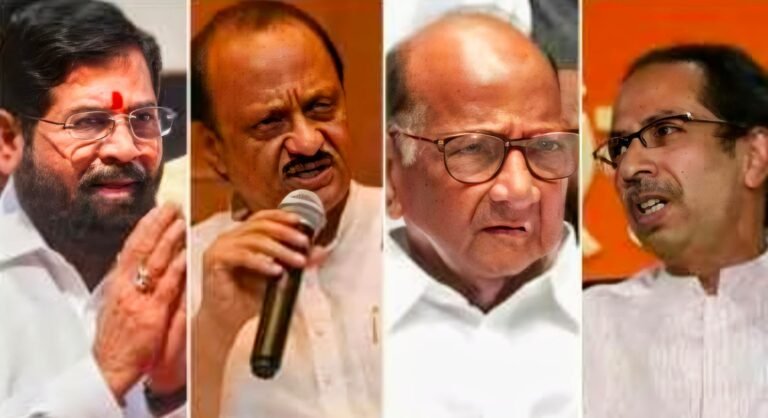
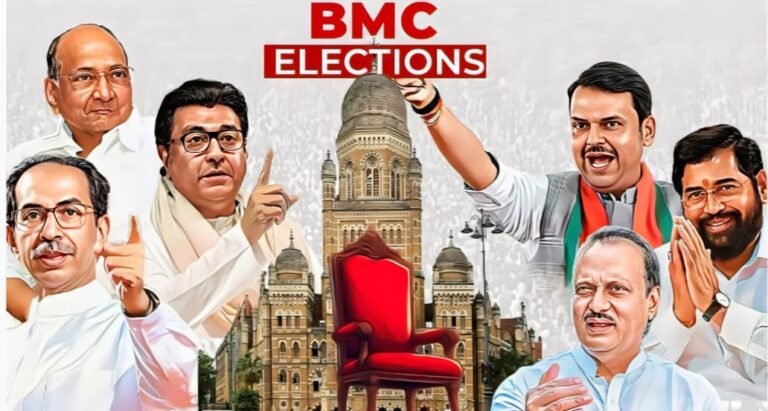
Friends, Foes, Frenemies: Why Political Alliances in Mumbai’s BMC Polls Keep Changing Mumbai | Undercover Editor News Channel | December 14, 2025 Mumbai’s civic politics has rarely been about permanent friendships. Instead, it has been shaped by shifting loyalties, tactical partnerships, and sudden breakups — all driven by one high-stakes prize: control of the Brihanmumbai Municipal Corporation (BMC), India’s richest civic body. As the city moves closer to the upcoming BMC elections, expected early next year, familiar patterns are resurfacing. Allies are reconsidering old ties, rivals are exploring new equations, and parties are once again weighing ideology against electoral arithmetic. A City Where Alliances Are Fluid Over the decades, Mumbai’s municipal politics has witnessed repeated realignments. Parties that once fought bitterly against each other have shared power, only to part ways when political circumstances shifted. These frequent changes are less about personal rivalries and more about adapting to Mumbai’s complex voter base, ward-level dynamics, and the immense financial and administrative power of the BMC. Shiv Sena: From Ideology to Adaptability The Shiv Sena’s political journey in Mumbai best reflects this flexibility. Founded on a strong Hindutva and Marathi identity plank, the party has never hesitated to forge alliances beyond ideological comfort when the situation demanded. From its early association with socialist parties in the late 1960s, to unexpected tie-ups with Republican Party factions in the 1970s, the Sena repeatedly surprised observers. Its long-standing alliance with the BJP — marked by both cooperation and rivalry — dominated Mumbai politics for two decades, before cracks emerged ahead of the 2017 BMC polls. The post-2022 split in the party further reshaped equations. Today, the Uddhav Thackeray-led Shiv Sena (UBT) is reassessing options, including the possibility of new alliances, even as it signals readiness to contest independently if required. Congress: From Dominance to Strategic Caution Once the undisputed force in Mumbai, the Congress now finds itself navigating a far more crowded political field. In the decades after Independence, civic elections were largely internal contests within the party. But the rise of the Shiv Sena, BJP, and regional players steadily eroded that dominance. To stay relevant, the Congress increasingly leaned on alliances — with the Republican Party of India, the NCP, and later broader coalitions. While these arrangements delivered short-term gains, party leaders argue they weakened the Congress’s organisational base over time. That experience appears to be shaping current thinking. The party’s Mumbai unit has pushed strongly for contesting the BMC polls on its own, a view that has found acceptance at the national level. Leaders say local body elections are an opportunity to rebuild grassroots strength rather than depend on partners. BJP and the Mahayuti Strategy On the ruling side, the BJP enters the BMC battle as the most resource-rich and organisationally strong party in Mumbai. Its approach, however, is coalition-driven. The Mahayuti alliance — comprising the BJP, the Eknath Shinde-led Shiv Sena, and the Ajit Pawar-led NCP — is preparing a joint strategy. Seat-sharing, BJP leaders indicate, will be guided by “technical and strategic” considerations, reflecting ward-level calculations rather than rigid formulas. The aim is clear: consolidate votes and prevent fragmentation in a tightly contested civic race. Why Alliances Keep Changing At the heart of Mumbai’s alliance churn are three factors: What Lies Ahead As election preparations gather pace, Mumbai may yet witness new alliances — or sudden collapses of existing ones. While some parties believe unity is essential to counter the BJP’s dominance, others see independence as the only way to preserve identity and rebuild strength. One thing, however, remains certain: in Mumbai’s BMC politics, today’s ally can easily become tomorrow’s rival. And as history shows, flexibility — not permanence — has always been the defining rule of the game.

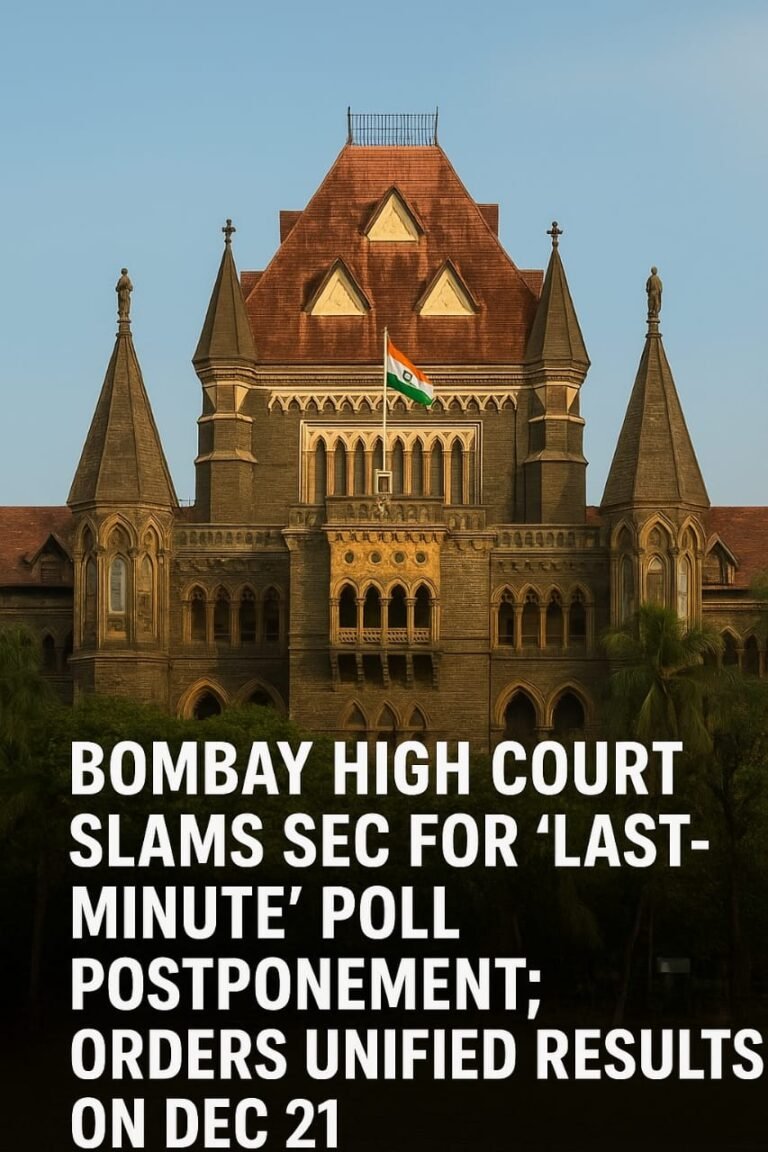
Bombay High Court Slams SEC For ‘Last-Minute’ Postponement of Local Body Polls; Orders Unified Results on December 21

Bombay High Court Slams SEC For ‘Last-Minute’ Postponement of Local Body Polls; Orders Unified Results on December 21

Bombay High Court Slams SEC For ‘Last-Minute’ Postponement of Local Body Polls; Orders Unified Results on December 21 Undercover Editor News Agency | Updated: December 04, 2025 In a strong and unprecedented rebuke, the Bombay High Court (Aurangabad Bench) on Tuesday criticised the State Election Commission (SEC) for its “last-minute and avoidable” decision to postpone elections in several Nagar Panchayats and Nagar Parishads across Maharashtra. While the Court refrained from cancelling the revised schedule to avoid destabilising the democratic process, it passed a crucial order to safeguard the fairness of elections—directing that no results be declared until all polling, including postponed constituencies, is completed. As per the Court’s directions, all results—original and postponed—must be announced together on or after December 21, 2025. HC Questions SEC’s Administrative Foresight A division bench of Justice Vibha Kankanwadi and Justice Hiten S. Venegavkar noted that the SEC’s decision—taken barely 72 hours before the voting date—reflected “a lack of administrative foresight” and was not backed by adequate justification. The SEC had postponed polling in nearly 20 local bodies, claiming that appeals related to rejected nomination forms had not been decided in time. It further planned to declare results in two phases—December 3 and December 21. Petitioners challenged this, terming the postponement “arbitrary and disruptive.” The Court agreed, holding that the appellate process is predictable and should have been considered well in advance. Unified Results To Prevent ‘Bandwagon Effect’ The High Court found that declaring partial results while polling remained pending in other constituencies could unfairly influence voters, potentially altering the outcome. The Court observed: “Early declaration of results may produce a bandwagon effect and influence voters in postponed elections, undermining free and fair polls.” To prevent this, the Court ordered: Court Questions SEC’s Inconsistent Approach The Bench also criticised the SEC for allowing polls in some divisions of the same ward while postponing others—calling it illogical and inconsistent. The Court stated that fairness demands that either the entire ward votes together or the entire ward is postponed. EC’s Constitutional Powers Are Not ‘Unbridled’ While acknowledging the SEC’s authority under Articles 243K and 243ZA of the Constitution, the Court stressed that these powers must be exercised with: SEC Directed To Issue New Guidelines Within 10 Weeks Before disposing of the petitions, the High Court ordered the SEC to create clear guidelines within 10 weeks to prevent such last-minute disruptions in future election schedules. Case Title: Vinod Pundlikrao Chinchalkar vs. State of Maharashtra & Others                         
Maharashtra Politics: Key Shinde Camp Leaders Join Uddhav Thackeray’s Shiv Sena in Navi Mumbai

Maharashtra Politics: Key Shinde Camp Leaders Join Uddhav Thackeray’s Shiv Sena in Navi Mumbai

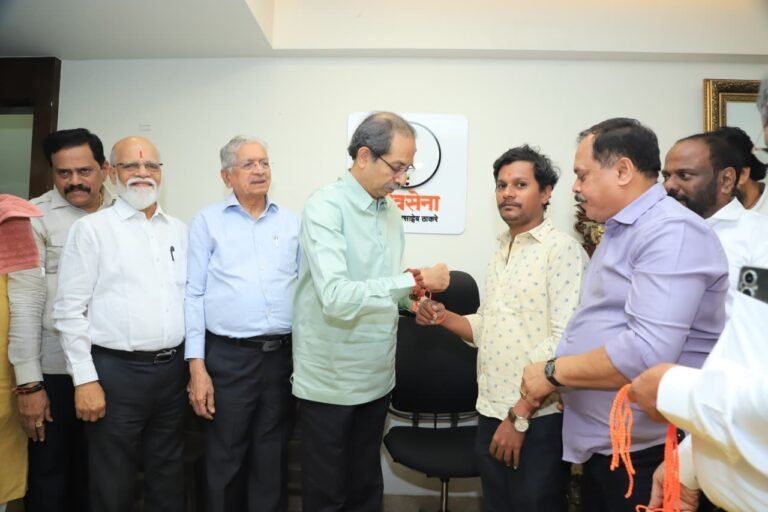
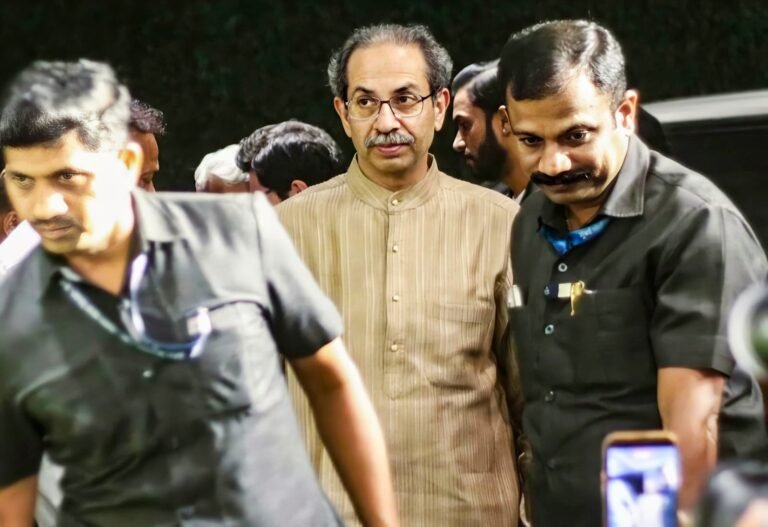
Maharashtra Politics: Key Shinde Camp Leaders Join Uddhav Thackeray’s Shiv Sena in Navi Mumbai Uddhav Thackeray greets and inducts former Shinde-led Shiv Sena leaders into the UBT faction at a special joining ceremony in Navi Mumbai. Undercover Editor News Agency | Editor – Mahesh Rathod In a major political shift ahead of crucial electoral developments in Maharashtra, several leaders from the Eknath Shinde–led Shiv Sena have crossed over to the Uddhav Balasaheb Thackeray (UBT) faction. The move is being seen as a significant boost for Uddhav Thackeray as the party works to rebuild its grassroots network after the 2022 split. Leaders From Shinde Camp Switch Sides Among those who joined the UBT camp are: They were accompanied by a sizeable group of supporters, signalling dissatisfaction within sections of the Shinde-led faction. The joining event took place in Navi Mumbai in the presence of: Party leaders described the development as a “strong message” that grassroot-level workers continue to identify with the original Shiv Sena legacy led by Uddhav Thackeray. Uddhav Thackeray Hits Out at Centre Over Sanchar Saathi App Meanwhile, speaking at his residence Matoshree in Bandra, Uddhav Thackeray launched a sharp attack on the Centre over mandatory installation of the Sanchar Saathi mobile application. He alleged that the app is a “rebranded Pegasus-like spyware”, accusing the BJP-led government of attempting to monitor citizens under the guise of digital safety. “They have renamed Pegasus as Sanchar Saathi. They want to spy on the people who trusted them with their vote,” — Uddhav Thackeray Thackeray questioned why the government was prioritising digital surveillance when it had failed to explain security lapses like the Pahalgam terror attack, which claimed 26 lives. Centre Rejects Allegations Responding to nationwide concerns, Union Communications Minister Jyotiraditya Scindia clarified in the Lok Sabha that: He emphasised that the app’s purpose is to protect users from fraud, not to access their private messages or data. Political Temperature Rises in Maharashtra With high-stakes local body elections approaching and alliances shifting rapidly, defections such as these point toward growing tensions within the Shinde-led faction. The UBT camp sees this as validation of its narrative that the “real Shiv Sena” remains rooted in the Thackeray leadership. Political observers believe more crossovers may occur as the state heads into an intense political season.
Congress Leaders Demand FIR Against Mumbai BJP Chief Amit Satam Over ‘Inflammatory’ Remarks on Migrants

Congress Leaders Demand FIR Against Mumbai BJP Chief Amit Satam Over ‘Inflammatory’ Remarks on Migrants

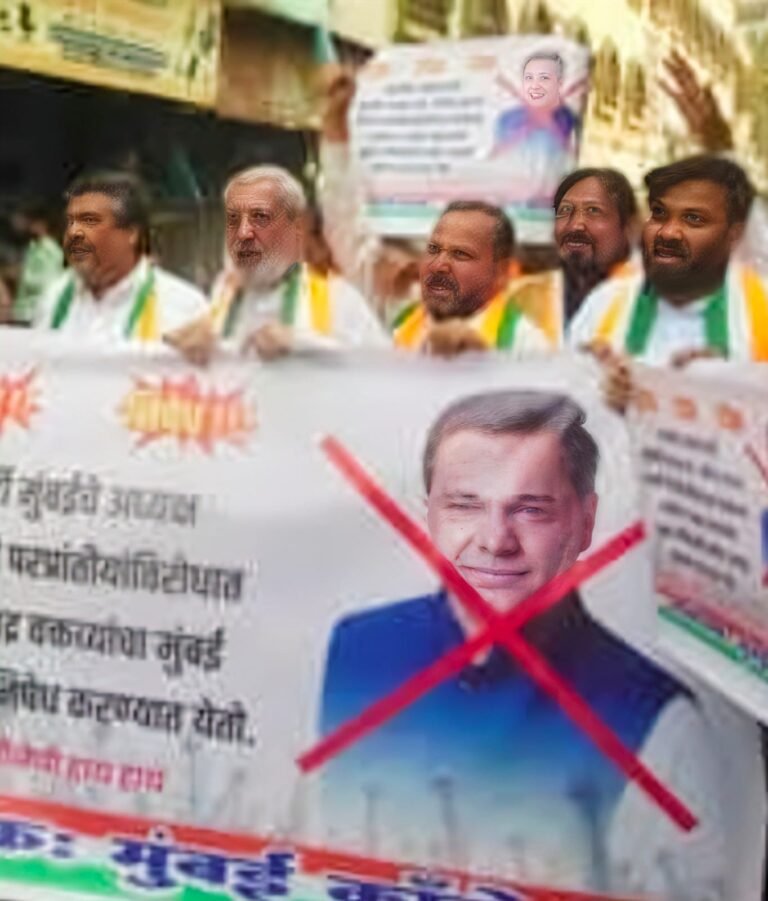
Congress Leaders Demand FIR Against Mumbai BJP Chief Amit Satam Over ‘Inflammatory’ Remarks on Migrants Undercover Editor News Agency | Editor – Mahesh Rathod Mumbai – A fresh political storm erupted on Friday after senior Congress leaders submitted a formal request to the Mumbai Police Commissioner seeking registration of an FIR against Mumbai BJP President Amit Satam. The complaint alleges that Satam made inflammatory and abusive remarks targeting migrants residing in the city, potentially inciting division and communal tension. Congress Accuses Satam of Using Divisive, Hate-Fueled Language In a strongly worded letter addressed to the Mumbai Police Commissioner, Mumbai Congress Vice-President Abul Hasan Khan alleged that Satam’s comments were designed to “create division, foster hatred, and promote enmity between different groups living in Mumbai.” Khan has demanded that police register a case under Section 153A (promoting enmity between groups), Section 505 (statements conducing to public mischief), and other relevant provisions under the Bharatiya Nyaya Sanhita (BNS). According to Congress leaders, the language used by Satam was not only inappropriate but dangerous enough to disturb the social harmony of Mumbai, a city known for its diversity and migrant-driven workforce. Congress Protest March Ends With Detentions Following the submission of the complaint, multiple Congress leaders and workers held a symbolic march against Amit Satam’s alleged statements. The demonstration, however, was short-lived as Mumbai Police detained several party functionaries. Those detained included: Police officials stated that detentions were made to maintain order and prevent disruption of traffic during the protest march. Political Temperatures Rising in Mumbai The controversy has added to the increasing political tensions in the city ahead of upcoming civic and state-level political activities. Congress leaders claim that Satam’s remarks reflect a pattern of targeting migrants to polarize public opinion, while BJP leaders have yet to issue a formal clarification regarding the allegations. Legal experts note that Sections 153A and 505 of the BNS carry serious implications, as they deal with acts that threaten communal harmony and public peace. If registered, such an FIR could escalate the political standoff. Awaiting Police Response As of now, the Mumbai Police has acknowledged receipt of the complaint. Whether a preliminary inquiry or FIR will be initiated remains to be seen. Congress leaders have warned that they will continue their agitation until legal action is taken.
Mumbai Set for Massive Underground Tunnel Revolution; CM Fadnavis Announces ‘Pathal Lok’ Vision to Transform City Traffic by 2032

Mumbai Set for Massive Underground Tunnel Revolution; CM Fadnavis Announces ‘Pathal Lok’ Vision to Transform City Traffic by 2032

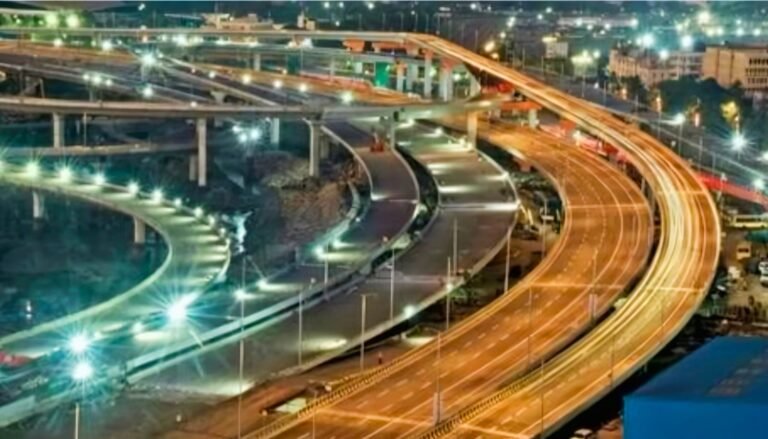
Mumbai Set for Massive Underground Tunnel Revolution; CM Fadnavis Announces ‘Pathal Lok’ Vision to Transform City Traffic by 2032 Undercover Editor – Editor- Mahesh Rathod. Mumbai is preparing for one of its most ambitious infrastructure overhauls in recent history — a sprawling underground tunnel network aimed at eliminating the city’s crippling traffic congestion. Chief Minister Devendra Fadnavis on Tuesday announced that the government is creating a “Pathal Lok” — a comprehensive, underground mobility grid — that will change the way Mumbai moves in the next decade. Addressing thousands of youth at an event held at the Dome Arena in Worli, Fadnavis said the vision is to ensure that Mumbai’s average traffic speed reaches 80 kmph within the next seven years, a dramatic jump from the current 15–20 kmph gridlock experienced during peak hours. Western Express Highway: The Core of Mumbai’s Traffic Burden The Chief Minister highlighted that nearly 60% of Mumbai’s total road traffic burden falls solely on the Western Express Highway (WEH). “Unless the Western Express Highway is decongested, traffic in Mumbai cannot be fully resolved,” Fadnavis said, underscoring the need for alternative high-speed travel corridors. New Tunnels to Connect Bandra Sea Link, BKC and the Mumbai Airport A major highlight of the government’s “Pathal Lok” blueprint includes a tunnel originating from the Bandra Sea Link, offering two critical high-speed connections: These tunnels intend to divert the traffic load away from core arterial roads, reduce surface congestion and cut airport travel time drastically. “Our aim is to decongest BKC and ensure that citizens reach the airport in the minimum possible time,” Fadnavis added. Target Year 2032: “All Projects Will Be Delivered” When asked by attendees whether these infrastructural dreams will materialize, Fadnavis offered a clear assurance: “All the promises we have made, and all the projects we have started to decongest Mumbai, will be completed by 2032.” This includes tunnel networks, road realignments, decongestion projects, and mobility reforms. Local Trains to Become Metro-Like With Close-Door Coaches Fadnavis also announced a major shift in Mumbai’s suburban railway system: All local trains will gradually adopt close-door rakes, currently used only in select AC locals. “Train services will be like the metro — safer, faster, and more efficient — and without any hike in ticket fares,” he promised. This is expected to reduce accidents, improve punctuality, and modernize the century-old suburban rail experience. BJP to Prioritize Youth in Upcoming Civic Elections Speaking on political participation, the CM emphasized that the BJP will introduce new, young candidates in the upcoming municipal elections. “I can’t comment on other parties, but for the BJP, people will certainly witness new and young faces getting party tickets,” he said, encouraging youth to step forward and participate in governance. “Zero Corruption Under Modi Government” — Fadnavis Responding to a question on corruption, Fadnavis strongly defended the Central Government. “In the last 11 years, not a single charge of corruption has been levelled against Prime Minister Narendra Modi,” he stated. He contrasted this with pre-2014 governments that faced multiple corruption allegations and instability. “Under the leadership of Prime Minister Modi ji, people are witnessing a stable and corruption-free government.” A Transformative Vision for Mumbai’s Next Decade With underground tunnels, metro-style trains, and new mobility corridors, the government claims that Mumbai will enter a new era of fast, reliable transportation. However, experts and citizens alike will be watching closely to see how efficiently these promises are executed over the next seven years. For now, the vision of “Pathal Lok” — a city beneath the city — has captured the imagination of a traffic-weary Mumbai.
“You Have Votes, I Have Funds”: Ajit Pawar’s Remark Sparks Major Political Storm in Maharashtra

“You Have Votes, I Have Funds”: Ajit Pawar’s Remark Sparks Major Political Storm in Maharashtra

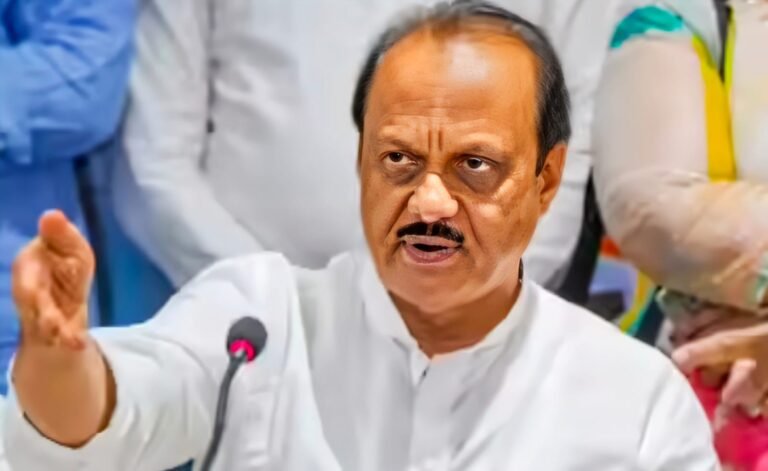
“You Have Votes, I Have Funds”: Ajit Pawar’s Remark Sparks Major Political Storm in Maharashtra Deputy CM Ajit Pawar addresses a campaign rally in Malegaon, where his remark linking public funds to electoral support sparked sharp political reactions. UnderCover Editor NewsEditor – Mahesh Rathod Mumbai / Malegaon: Maharashtra Deputy Chief Minister Ajit Pawar has triggered a fresh controversy after openly telling voters in Malegaon that while “they have votes,” he “has funds,” and that financial support would flow only if all candidates of his faction of the Nationalist Congress Party (NCP) were elected. The remarks, made during a campaign speech for the upcoming Malegaon Nagar Panchayat elections, have drawn widespread criticism and raised questions about political pressure, voter influence and ethical conduct during elections. Ajit Pawar’s Statement Raises Eyebrows Addressing a public gathering, Pawar said: “I will ensure there is no shortage of funds if you elect all 18 NCP candidates. If you reject, I will also reject. You have votes, I have funds.” The statement implied that government funding and development work could be withheld if voters did not support NCP candidates—a claim opposition parties say violates democratic principles and amounts to intimidation. Pawar currently handles Maharashtra’s finance portfolio in the BJP–NCP–Shiv Sena alliance government, giving his comments even greater political weight. Opposition Slams Pawar: ‘Threat to Democracy’ The statement immediately drew sharp reactions from the opposition. Shiv Sena (UBT) leader Ambadas Danve accused Pawar of threatening voters and misusing his authority. Danve said: “Funds come from taxpayers, not from Ajit Pawar’s personal pocket. If a minister threatens voters like this, what is the Election Commission doing?” Opposition leaders claim Pawar’s comments amount to coercion and violate the Model Code of Conduct, even though civic elections are not directly governed by the same framework as state or national polls. Political Context: Malegaon Civic Polls on December 2 The Pawar-led NCP has partnered with a BJP-backed panel for the December 2 Malegaon Nagar Panchayat elections. Malegaon—known for closely contested political battles—has 18 NCP candidates in the fray. Pawar’s comments were aimed at consolidating votes for the entire panel, but critics say the tone crossed the line into political pressure. ECI’s Silence Questioned Several opposition voices have demanded that the Election Commission of India (ECI) take note of Pawar’s remarks, calling for investigation or censure. Legal experts suggest that any attempt to link government funds with electoral outcomes could fall under undue influence, a punishable offence under the Representation of the People Act, 1951. What Happens Next? While Ajit Pawar has not clarified or withdrawn his remarks, political observers believe the issue may escalate further in the coming days. With civic elections just days away, the controversy has added a new dimension to the campaign—putting the spotlight on the ethics of political speech and the fine line between promises and pressure. UnderCover Editor News will continue tracking this high-voltage political episode.
SC Sets January 21 for Final Hearing on Shiv Sena Symbol Row: Uddhav vs Shinde Battle Nears Climax

SC Sets January 21 for Final Hearing on Shiv Sena Symbol Row: Uddhav vs Shinde Battle Nears Climax

SC Sets January 21 for Final Hearing on Shiv Sena Symbol Row: Uddhav vs Shinde Battle Nears Climax Supreme Court of India to begin final hearing on the Shiv Sena’s ‘Bow and Arrow’ symbol dispute between the Uddhav Thackeray and Eknath Shinde factions on January 21, 2026. The Supreme Court will also hear the NCP faction dispute the following day as both cases involve overlapping issues of party identity and legislative majority. New Delhi | Undercover Editor News agency | November 12, 2025:The Supreme Court on Wednesday fixed January 21, 2026, for the final hearing on petitions filed by the Uddhav Thackeray-led faction of the Shiv Sena challenging the Election Commission’s February 2023 order that allotted the iconic ‘bow and arrow’ symbol to the faction led by Maharashtra Deputy Chief Minister Eknath Shinde. A Bench of Justices Surya Kant and Joymalya Bagchi announced that the court will dedicate three hours each to hear arguments from both factions in the much-awaited political and legal showdown that could redefine the future of Maharashtra’s dominant regional party. The Bench further informed that it will take up a similar dispute involving the Nationalist Congress Party (NCP) the very next day, on January 22, given that both matters revolve around the core question of who represents the “real” political party after a split. Uddhav Camp Seeks Urgent Hearing Amid Local Polls Senior advocate Devadatt Kamat, representing the Uddhav Thackeray faction, urged the court to expedite the hearing, citing the upcoming local body elections in Maharashtra. Justice Surya Kant, however, remarked wryly that political parties in India are “always in election mode,” whether for national, state, or local contests — signaling the court’s intention to proceed in a structured manner. On the other hand, senior advocates Mukul Rohatgi and Neeraj Kishan Kaul appeared for the Shinde faction, defending the Election Commission’s decision that recognized their camp as the legitimate Shiv Sena. Long-Pending Case Nears Closure The matter has been lingering since February 17, 2023, when the Election Commission of India (ECI) ruled in favor of the Shinde-led group, granting it the ‘Shiv Sena’ name and symbol after the 2022 rebellion that toppled the Maha Vikas Aghadi (MVA) government. In July 2024, the Supreme Court had emphasized that the dispute cannot remain unresolved indefinitely, noting the need for finality before major elections in the state. The Uddhav Thackeray faction argues that the ECI’s reliance on legislative majority—rather than organizational strength and ideological continuity—violates the principles outlined in the Election Symbols (Reservation and Allotment) Order, 1968. The Thackeray camp also contends that Maharashtra Assembly Speaker Rahul Narwekar’s decision to hand over the party name and symbol to the Shinde group was contrary to the Supreme Court’s own Constitution Bench verdict on defections. Political Stakes High in Maharashtra The ruling by the Speaker earlier this year had fortified Eknath Shinde’s position as Chief Minister, with the BJP and NCP (Ajit Pawar group) forming the coalition government. In the 2024 Lok Sabha elections, the Shinde-led Shiv Sena secured 7 seats, while in the Maharashtra Assembly elections, the BJP won 132, Shinde’s Sena 57, and Ajit Pawar’s NCP 41 By December 2024, Devendra Fadnavis returned as Maharashtra’s Chief Minister, with Shinde and Pawar serving as his deputies — cementing the Mahayuti alliance’s dominance in state politics. The upcoming Supreme Court verdict, therefore, is poised to not only decide the symbol and identity of the Shiv Sena but also reshape Maharashtra’s political balance ahead of the 2025 civic body polls and beyond. Summary
Shiv Sena vs Shiv Sena In Supreme Court: Bow & Arrow Symbol Battle To Shape Maharashtra’s Political Future

Shiv Sena vs Shiv Sena In Supreme Court: Bow & Arrow Symbol Battle To Shape Maharashtra’s Political Future

Shiv Sena vs Shiv Sena In Supreme Court: Bow & Arrow Symbol Battle To Shape Maharashtra’s Political Future Uddhav Thackeray and Eknath Shinde face off in the Supreme Court over the iconic ‘Bow and Arrow’ symbol — a battle that could reshape Maharashtra’s political future. Apex Court begins hearing today in the high-stakes battle between Uddhav Thackeray and Eknath Shinde; verdict to have wide-ranging impact on state politics and upcoming civic elections. New Delhi | Undercover Editor News | November 12, 2025.The Supreme Court of India will today begin hearing one of the most politically charged cases in recent years — the dispute over the Shiv Sena’s iconic “Bow and Arrow” symbol — a battle that has come to define Maharashtra’s shifting power dynamics. The case originates from a petition filed by Uddhav Thackeray, chief of the Shiv Sena (Uddhav Balasaheb Thackeray) faction, challenging the Election Commission of India’s (ECI) order dated February 17, 2023, which recognised Eknath Shinde’s camp as the “real Shiv Sena” and granted it the original party symbol. The split, which began in 2022 when Shinde led a dramatic rebellion that brought down the Thackeray-led Maha Vikas Aghadi (MVA) government, has since reshaped Maharashtra’s political landscape. The Case Before the Supreme CourtA three-judge bench comprising Justices Surya Kant, Ujjal Bhuyan, and Nongmeikapam Kotiswar Singh is hearing the matter.Senior advocate Kapil Sibal, representing Uddhav Thackeray, sought an early hearing, citing the approaching Brihanmumbai Municipal Corporation (BMC) and other civic elections beginning December 2, 2025. In his petition, Thackeray argues that the ECI’s decision was “arbitrary and unconstitutional,” claiming that the Commission relied solely on legislative numbers rather than assessing the party’s organisational structure, ideological foundation, and original membership base. He further contends that the legislative majority alone cannot define the real political entity under the Election Symbols (Reservation and Allotment) Order, 1968, and alleges that the ECI ignored key evidence — including the Thackeray faction’s continued influence in the Legislative Council and Rajya Sabha. ECI’s DefenceThe Election Commission, on the other hand, has defended its decision, maintaining that the Shinde-led faction held a clear majority within the Maharashtra Legislative Assembly, and that its ruling was based on established precedents of legislative representation. Political ImplicationsThe Supreme Court’s final verdict is expected to have sweeping political implications across Maharashtra.A ruling in favour of Thackeray could reignite his faction’s momentum ahead of the civic polls, while a decision supporting Shinde would further cement the Mahayuti government’s legitimacy led by Eknath Shinde and Deputy Chief Minister Devendra Fadnavis. Analysts say the outcome could determine the future course of alliances, electoral strategies, and even leadership within the broader Maharashtra political spectrum. As the hearing begins, all eyes are on the Supreme Court — where the judgment could either redefine the Shiv Sena’s identity or solidify its split for good. Reporter: Undercover Political Desk.Source: Supreme Court Registry & Political CorrespondentsNetwork: Undercover Editor News — Truth | Courage | Clarity
BMC Elections 2025: Lottery to Decide Ward Reservations on November 11

BMC Elections 2025: Lottery to Decide Ward Reservations on November 11

BMC Elections 2025: Lottery to Decide Ward Reservations on November 11 BMC officials prepare to draw the lottery for ward reservations at Bandra’s Balgandharva Rangmandir ahead of the 2025 civic elections. The draw will decide SC, ST, OBC, and Women’s reserved seats across Mumbai’s 227 wards. (UndercoverEditor Photo / Mumbai) UndercoverEditor News Agency | Editor: Mahesh Rathod | Mumbai | November 10, 2025 In a key development ahead of Mumbai’s most awaited civic elections, the Brihanmumbai Municipal Corporation (BMC) will hold a lottery draw on Tuesday, November 11, to decide the reservation of wards for Scheduled Castes (SC), Scheduled Tribes (ST), Other Backward Classes (OBC), and Women. The event will take place at Balgandharva Rangmandir in Bandra West at 11 a.m., setting the stage for the 2025 civic polls. The outcome of this draw will define which of the 227 municipal wards in Mumbai will be reserved under various categories, shaping the upcoming political race for all major parties. 🗳️ Reservation Structure As per the existing guidelines, 27% (61 seats) will be reserved for OBCs, 17 seats for Scheduled Castes, and two seats for Scheduled Tribes. Additionally, 50% of all seats will be reserved for women, including those falling under the SC, ST, and OBC categories. Officials from the civic administration confirmed that the lottery results will be immediately submitted to the State Election Commission (SEC). A draft reservation list will then be published on November 14, followed by a window for citizens to file suggestions or objections between November 14 and 20. The final ward reservation list is expected to be released on November 28. 📺 Lottery to Be Broadcast Live To ensure transparency, the BMC has announced that the entire lottery draw will be televised live. Citizens can watch the proceedings on the BMC’s official YouTube channel @MyBMCMyMumbai or on Hathway Cable Channel No. 26.For additional details, including ward maps, draft lists, and submission links for objections, residents can visit the official BMC election website: https://www.mcgm.gov.in/irj/portal/anonymous/qlBMCGE2025. ⚖️ First Election Under New Reservation Framework This will be the first BMC election conducted under the new reservation rotation framework issued by the State Urban Development Department (UDD) on October 9, 2025.According to the updated rules, wards with higher populations of SC, ST, OBC, or women will be prioritised for reservation, ensuring more accurate demographic representation in local governance. Political observers believe this change could significantly alter Mumbai’s electoral landscape, giving an advantage to parties with strong grassroots support among particular communities. 🗓️ Elections Likely in January 2026 The much-delayed BMC elections, originally due in 2022, are now expected to be held in mid-January 2026, along with polls for 28 other municipal corporations across Maharashtra.The last BMC election took place in February 2017, and since the corporators’ term ended in 2022, the civic body — India’s richest municipal corporation — has been functioning under administrative rule. 🏛️ The Road Ahead With the lottery deciding the reservation of wards, Mumbai’s political landscape is set to enter a crucial phase. The results will not only determine the future representation of marginalised communities but will also signal the beginning of high-stakes political campaigns across the city.  

Recent News

Undercover Editor

From BMC updates, local area developments, railway station news, and crime reports to the latest in politics, sports, Bollywood, lifestyle, travel, and education, we bring you news that’s relevant, reliable, and real-time


Undercover Editor © 2025 – Designed by iCreato