Category: civic/Political News

Contrary to popular belief, Lorem Ipsum is not simply random text. It has roots in a piece of classical Latin literature from 45 BC, making it over 2000 years old. Richard McClintock, a Latin professor

Beacon Row in Mumbai: BMC Removes Red-Blue Lights from Mayor Ritu Tawde’s Official Car

Beacon Row in Mumbai: BMC Removes Red-Blue Lights from Mayor Ritu Tawde’s Official Car

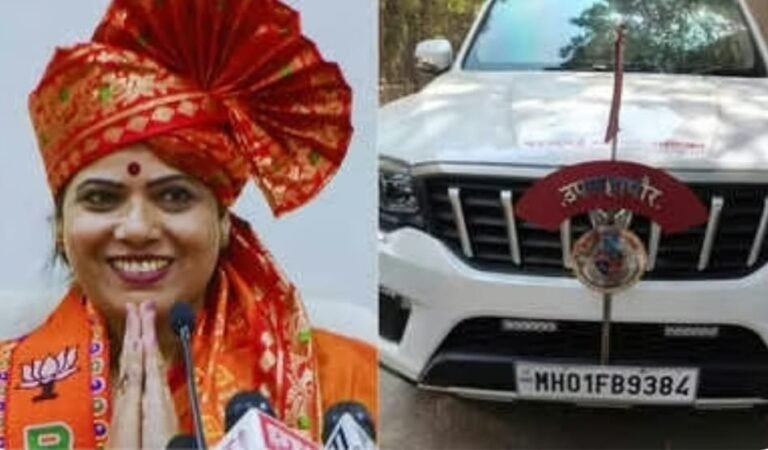
Beacon Row in Mumbai: BMC Removes Red-Blue Lights from Mayor Ritu Tawde’s Official Car Mumbai: A controversy erupted in Mumbai after red and blue flashing beacon lights were spotted on the official vehicle of Mumbai Mayor Ritu Tawde, prompting the Brihanmumbai Municipal Corporation (BMC) to remove them on Saturday. The issue gained attention after a social media post on the platform X questioned whether the mayor’s vehicle had permission to use police-style beacon lights. The post included photographs showing the flashing red and blue lights mounted on the front of the mayor’s official car. The controversy intensified when RTI activist Anil Galgali formally raised the matter with the mayor through a written complaint. In his letter, Galgali pointed out that the use of such lights on government vehicles had been restricted under central government rules and urged immediate action. According to civic officials, similar flashing lights had been installed not only on the mayor’s vehicle but also on the escort vehicle that accompanied it. The escort vehicle, reportedly carrying the mayor’s personal assistants and protocol officer, was also fitted with police-style lights. Responding to the controversy, Mayor Ritu Tawde clarified that she had no interest in using a red beacon vehicle and described the issue as an administrative oversight. She stated that the responsibility lay with the administration that provided the vehicle. “As mayor, I have no interest in a red beacon car. This is an administrative mistake. The administration should have checked what is permissible before assigning the vehicle,” Tawde said while responding to the criticism. Following the controversy, officials from the BMC confirmed that the beacon lights had been removed from all concerned vehicles, including those assigned to the mayor, deputy mayor, and the leader of the house. The issue also triggered political reactions. Former Mumbai mayor and Leader of Opposition Kishori Pednekar criticised the development, stating that it went against the central government’s move to eliminate VIP culture in the country. Pednekar referred to the decision taken by Prime Minister Narendra Modi in 2017 to abolish the use of red beacon lights on most government vehicles. The rule restricted such lights only to authorised emergency services such as police, ambulances and fire brigades. Political leader Milind Narvekar also raised questions on social media, asking what exactly was happening around the newly elected mayor. It is worth noting that the Central Government’s ban on red beacon lights, implemented on May 1, 2017, ended the long-standing VIP culture associated with flashing lights on official vehicles. Following that decision, the red beacon had previously been removed from the mayor’s car during the tenure of former mayor Vishwanath Mahadeshwar. With the latest action by the civic body, the BMC has now clarified that the use of such beacon lights on the mayor’s official vehicle was not authorised, and steps have been taken to ensure compliance with existing rules.
Despite Marathi Identity Push, Migrant Representation Remains Strong in Mumbai’s New BMC House

Despite Marathi Identity Push, Migrant Representation Remains Strong in Mumbai’s New BMC House

Despite Marathi Identity Push, Migrant Representation Remains Strong in Mumbai’s New BMC House Mumbai | Undercover Editor News Channel, January 19, 2026 Mumbai: The Brihanmumbai Municipal Corporation (BMC) elections once again witnessed an intense debate around Marathi identity, with regional pride forming a central theme of the campaign. Speeches by both factions of the Shiv Sena and the Maharashtra Navnirman Sena repeatedly emphasised linguistic identity, while other parties adopted a more inclusive approach in a city shaped by migration and diversity. However, the final results tell a more complex story. Despite the strong identity pitch, migrant representation in Mumbai’s civic body has not only held firm but has increased marginally. Of the 227 corporators elected to the BMC in 2026, 78 are of non-Marathi origin — accounting for over one-third of the House. This is slightly higher than the 2017 elections, when 76 non-Marathi corporators were elected. Marginal rise despite sharper identity campaign The numbers indicate that heightened emphasis on Marathi pride during the campaign did not translate into a significant decline in migrant representation. In fact, the non-Marathi share of corporators has risen from 33 per cent in 2017 to 34.4 per cent in 2026, underscoring the continued political relevance of Mumbai’s migrant population. Party-wise data highlights contrasting political strategies. The Bharatiya Janata Party (BJP), which emerged as the single largest party in the new civic House, has the highest number of non-Marathi corporators. Of its 89 elected representatives, 38 — or nearly 43 per cent — are non-Marathi, reflecting the party’s strong foothold in linguistically mixed suburban constituencies. In contrast, both factions of the Shiv Sena continue to draw predominantly from Marathi-speaking voters. The Uddhav Thackeray-led Shiv Sena (UBT) has seven non-Marathi corporators among its 65 winners, while the Eknath Shinde-led Shiv Sena has five non-Marathi corporators out of 29. These figures underline the Sena’s enduring emphasis on Marathi identity in civic politics. Congress, AIMIM rely heavily on migrant voters The Indian National Congress presents a markedly different picture. Of its 24 corporators, 16 are non-Marathi, highlighting its reliance on migrant and minority-dominated pockets of the city. A similar trend is visible in the All India Majlis-e-Ittehadul Muslimeen (AIMIM), where seven of its eight elected corporators are non-Marathi. The Nationalist Congress Party (NCP), which secured three seats, elected only Marathi-speaking corporators, reflecting its limited but regionally rooted presence in the city. A long shift in Mumbai’s civic power balance Historically, non-Marathi communities once dominated civic politics in Mumbai. In the decades following Independence, Gujaratis, Parsis, Marwaris, Muslims, Christians and South Indians played a prominent role in the Bombay Municipal Corporation. Though non-Marathis formed around 58 per cent of Mumbai’s population in the 1960s, they accounted for nearly 45 per cent of corporators by the mid-1970s. Between Independence and 1968, as many as 15 of the city’s 21 mayors were non-Marathi. This balance began to change with the rise of the Shiv Sena in the late 1960s. By mobilising Marathi-speaking voters through strong local networks, the party reshaped Mumbai’s civic politics. Over the decades, non-Marathi representation steadily declined, touching a low of 28.2 per cent in the 2012 BMC elections. Migration trends reshape electoral realities Census data shows that while Marathi remains the most widely spoken language in Mumbai, Hindi-speaking residents have grown at a much faster pace since the 1970s. Urdu-speaking populations have also increased steadily, while Gujarati speakers have seen slower growth. The political impact of this demographic shift became evident after 2014. In the 2017 BMC elections, non-Marathi representation rose sharply to 33 per cent. The 2026 results, with 78 non-Marathi corporators, reinforce that trend and reflect the growing electoral confidence of migrant communities. BJP’s pro-migrant positioning Analysts note that the Bharatiya Janata Party has benefited from projecting itself as a party comfortable with Mumbai’s migrant character. With the BJP in power at both the Centre and the state, it has positioned itself as inclusive, while also promoting a larger number of non-Marathi leaders in the city than in the past. Earlier, Maharashtra Chief Minister Devendra Fadnavis said the BJP does not feel pressured on the issue of Marathi identity. Emphasising development over emotive politics, he maintained that the party prefers to “bat on the front foot” by focusing on governance rather than linguistic divisions. A city shaped by diversity The latest BMC results underline a key political reality: despite periodic surges in identity-based campaigning, Mumbai’s civic politics continues to reflect the city’s multicultural and migrant-driven character. As the new House takes shape, the steady presence of non-Marathi corporators signals that Mumbai’s diverse electorate remains a decisive force in determining the city’s future.

नगर निकाय चुनाव: महाराष्ट्र में मुंबई को छोड़कर मतदाताओं को डालने होंगे कई वोट

नगर निकाय चुनाव: महाराष्ट्र में मुंबई को छोड़कर मतदाताओं को डालने होंगे कई वोट

नगर निकाय चुनाव: महाराष्ट्र में मुंबई को छोड़कर मतदाताओं को डालने होंगे कई वोट मुंबई | अंडरकवर एडिटर न्यूज़ चैनल, १३ जनवरी २०२६ मुंबई: महाराष्ट्र में १५ जनवरी को होने वाले नगर निगम चुनाव इस बार मतदाताओं के लिए कुछ अलग अनुभव लेकर आ रहे हैं — लेकिन मुंबई इससे अलग रहेगी। राज्य के २८ शहरों, जिनमें ठाणे, नवी मुंबई, पुणे, नाशिक और कल्याण-डोंबिवली शामिल हैं, में चुनाव तीन या चार सदस्यीय वार्ड प्रणाली के तहत हो रहे हैं। इसका मतलब है कि एक ही वार्ड से तीन या चार नगरसेवक चुने जाएंगे। क्या बदला है? अब मतदाताओं को ईवीएम पर एक नहीं, बल्कि तीन या चार बार बटन दबाना होगा। चुनाव आयोग के अनुसार, सभी वोट डालना अनिवार्य है — अधूरे वोट मान्य नहीं होंगे। वोटिंग की प्रक्रिया कैसे होगी? मतदाता सत्यापन और स्याही लगाने के बाद, मतदान केंद्र के भीतर ईवीएम पर एक से अधिक बैलेट यूनिट लगी होंगी। मशीन सक्रिय होने के बाद मतदाता को क्रम से तीन या चार वोट डालने होंगे। हर वोट की पुष्टि बीप की आवाज और VVPAT पर्ची से होगी। यदि मतदाता किसी सीट पर किसी उम्मीदवार को वोट नहीं देना चाहता, तो वह NOTA का विकल्प चुन सकता है। यह प्रणाली क्यों लागू की गई? चुनाव अधिकारियों का कहना है कि यह प्रणाली घनी आबादी वाले शहरों में बेहतर प्रतिनिधित्व सुनिश्चित करने के लिए लाई गई है। हालांकि, आलोचकों का मानना है कि इससे बड़े दलों को फायदा हो सकता है और मतदाताओं में भ्रम भी पैदा हो सकता है। मुंबई में क्या अलग है? मुंबई पूरे महाराष्ट्र में एकमात्र नगर निगम है, जहां अब भी एक वार्ड–एक नगरसेवक प्रणाली लागू है। यहां मतदाता सिर्फ एक वोट डालेंगे, जैसा पहले होता था। मतगणना मतों की गिनती १६ जनवरी को होगी।
नगर निकाय चुनाव: महाराष्ट्र में मुंबई को छोड़कर मतदाताओं को डालने होंगे कई वोट

Why Voters in Maharashtra Will Cast Multiple Votes in Civic Polls — Mumbai Remains the Only Exception

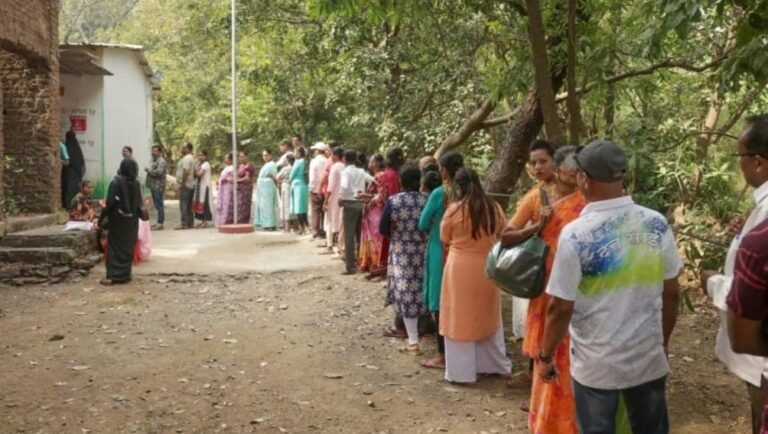
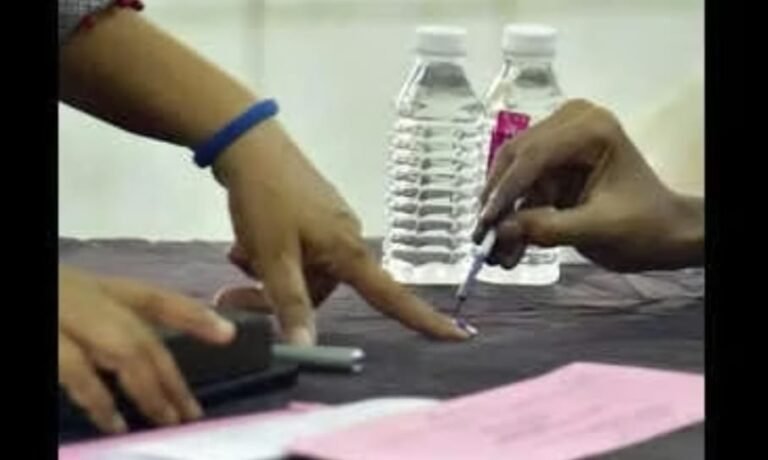
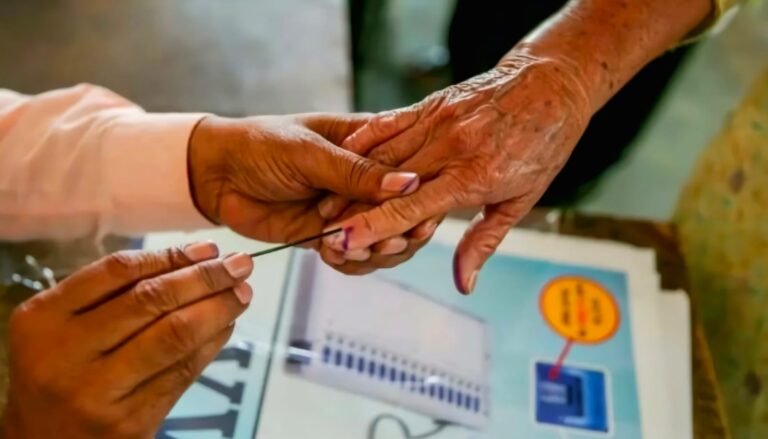
Why Voters in Maharashtra Will Cast Multiple Votes in Civic Polls — Mumbai Remains the Only Exception Mumbai | Undercover Editor News Channel, January 13, 2026 Mumbai: As Maharashtra gears up for municipal corporation elections on January 15, voters across 28 cities will experience a significantly different voting process this time — except in Mumbai. Cities including Thane, Navi Mumbai, Pune, Nashik and Kalyan-Dombivli are conducting polls under a three- or four-member ward system, a shift from the traditional one-ward-one-corporator format. Under this system, a single ward elects multiple corporators, requiring voters to cast three or four votes during a single visit to the polling booth. What Has Changed? Unlike earlier elections where voters pressed the EVM button once, electors in multi-member wards must now vote separately for each corporator seat. The Election Commission has clarified that all votes are mandatory — voters must cast all three or four votes to complete the process. How Will Voting Work? After voter verification and indelible ink marking, electors will enter the polling booth where multiple ballot units are attached to the EVM due to the large number of candidates. Once activated, voters will be prompted to cast votes one after another. Each vote is confirmed through a beep sound and a VVPAT slip. Voters may choose candidates from the same party, different parties, independents, or select NOTA for any seat if they do not wish to support a candidate. Why Introduce the Multi-Member Ward System? Election officials say the new system aims to ensure broader representation in densely populated urban areas while reducing the number of wards. However, critics argue that it may favour larger political parties and could cause confusion among voters unfamiliar with the format. Why Is Mumbai Different? Mumbai remains the only municipal corporation in Maharashtra continuing with the single-member ward system. Here, each ward elects one corporator, and voters cast only one vote, just like previous elections. Counting of Votes Votes will be counted on January 16, a day after polling.
Mumbai Campaigner’s Long Wait Ends: ‘Tiffin Lady’ Gets BMC Ticket After 35 Years of Grassroots Service

Mumbai Campaigner’s Long Wait Ends: ‘Tiffin Lady’ Gets BMC Ticket After 35 Years of Grassroots Service

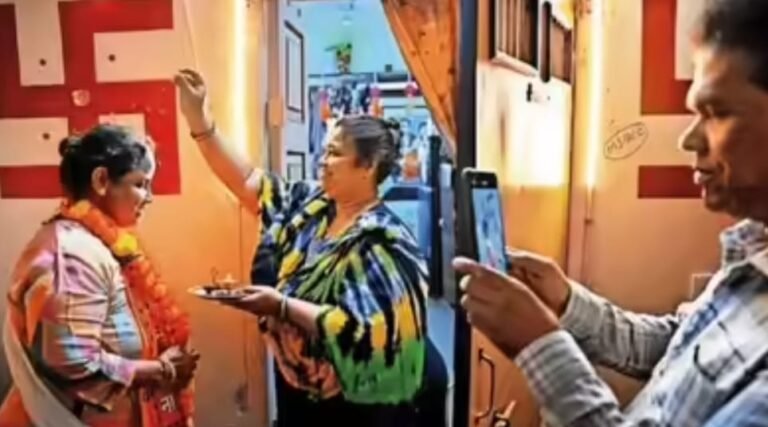
Mumbai Campaigner’s Long Wait Ends: ‘Tiffin Lady’ Gets BMC Ticket After 35 Years of Grassroots Service Mumbai | Undercover Editor News Channel, January 13, 2026 Mumbai: After 35 years of unwavering grassroots work, 58-year-old Bharati Pednekar has finally earned her chance to contest the Brihanmumbai Municipal Corporation (BMC) elections. A long-time Shiv Sena worker and a familiar face in Parel’s old mill belt, Pednekar is contesting on a Shiv Sena (UBT) ticket from the area she has served for decades. Pednekar, who holds the post of local shakha vibhag sanghatak, has spent most of her adult life walking the narrow lanes of Parel, mobilising voters for her party. While this is her first election as a candidate, she says campaigning is nothing new to her. “Since 1992, I have been knocking on these same doors asking for votes for Shiv Sena candidates. This time, asking for votes for myself feels very different,” she says. Her political journey has run parallel to a life shaped by hardship. A mother of two sons, Pednekar began running a tiffin service nearly two decades ago after her husband lost his job when Morarjee Mill shut down following a fire. The tiffin service not only supported her family but also helped her build strong personal connections across the locality. “I was born here and married into a family from the same area. I know every corner of this locality and its people. I truly feel I deserve this opportunity,” Pednekar says, explaining how her daily interactions with residents strengthened her understanding of local issues. Confident about her prospects, Pednekar believes the mill belt has remained a stronghold of the Shiv Sena over the years. Her ward includes the sprawling KEM Hospital complex, and she says improving access to basic civic amenities there will be a key priority if she is elected. “Even today, people struggle to get the services they come here for. Making the hospital more citizen-friendly is very important,” she says. Party workers campaigning alongside her share the confidence. Pramila Adsul, a long-time Shiv Sena worker, says voters can clearly see who has worked consistently on the ground. “Some candidates have suddenly emerged for the elections, but people here know who has been with them for years. We are confident they will support our candidate,” Adsul says. Pednekar’s eldest son, Prathamesh, who coordinates campaign arrangements, says the ticket is an emotional moment for the family. “My mother worked for the party without any expectations for decades. The party trusting her with this responsibility means everything to us,” he says. As Mumbai heads into crucial civic polls, Bharati Pednekar’s journey reflects a story of perseverance, grassroots commitment and quiet determination—highlighting how years of dedication can eventually find recognition in public life.
Crorepati Candidates Dominate Civic Polls Across Mumbai Metropolitan Region

Crorepati Candidates Dominate Civic Polls Across Mumbai Metropolitan Region

Crorepati Candidates Dominate Civic Polls Across Mumbai Metropolitan Region Kalyan / Navi Mumbai / Panvel | Undercover Editor News Channel, January 2026 As the Mumbai Metropolitan Region (MMR) heads into crucial municipal corporation elections on January 15, a striking trend has emerged across major civic bodies — a sharp rise in crorepati candidates contesting local body polls, cutting across party lines. An analysis of candidates’ affidavits filed before the elections reveals that more than half of the contestants in Kalyan-Dombivli, Navi Mumbai and Panvel municipal corporations are crorepatis, with several declaring assets exceeding ₹100 crore. The data highlights the growing influence of wealth, particularly from the real estate and infrastructure sectors, in grassroots politics. Kalyan-Dombivli: Real Estate Wealth Takes Centre Stage In the Kalyan-Dombivli Municipal Corporation (KDMC), three candidates have declared assets worth more than ₹100 crore, drawing attention to the increasing dominance of affluent candidates in civic governance. Shiv Sena candidate Ravindra Patil, contesting from Ward No. 29 in Dombivli, has emerged as the richest candidate in the KDMC polls, declaring assets worth ₹182.56 crore. Notably, Patil had declared assets of around ₹95 crore during the 2015 civic elections, indicating that his wealth has nearly doubled over the past decade. The second richest candidate in KDMC is Shiv Sena’s Shalini Sunil Wayle, contesting from Ward No. 2 in Kalyan West, with declared assets of ₹140.77 crore. In the previous election, her assets stood at approximately ₹105 crore, largely comprising ancestral immovable properties. The third on the list is Saroj Rai, wife of businessman and former BJP corporator Manoj Rai, who has declared combined family assets worth ₹122 crore. Election data further shows that over half of the KDMC candidates are crorepatis, while only a small fraction have assets below ₹1 crore, underscoring the widening economic gap among those contesting civic polls. Navi Mumbai: Nearly Half the Candidates Are Crorepatis In the Navi Mumbai Municipal Corporation (NMMC), the trend is equally prominent. Of the total 499 candidates, as many as 226 have declared assets exceeding ₹1 crore. Congress candidate Santosh Shetty from Nerul tops the wealth chart in Navi Mumbai, with declared assets of ₹100 crore. Shiv Sena’s Navi Mumbai chief Kishore Patkar follows closely, with assets worth ₹93 crore, primarily from the real estate sector. Another standout is the Gavte family from Digha, where three family members — Navin, Aparna and Deepa Gavte — are contesting the elections with a combined declared wealth of ₹306 crore, making them one of the wealthiest political families in the region. Several other prominent crorepati candidates include BJP’s Ravindra Ithape (₹75 crore), Shiv Sena’s Namdev Bhagat (₹56 crore) and Mandakini Mhatre (₹44 crore), BJP’s Netra Shirke (₹37 crore) and Suresh Shetty (₹25 crore), along with Shiv Sena’s M.K. Madhavi (₹24 crore). Panvel: BJP Candidates Lead the Wealth Charts In the Panvel City Municipal Corporation (PCMC) area, BJP candidates dominate the list of wealthy contenders. Iqbal Kazi declared assets worth ₹171 crore, while Madhu Patil from Kharghar reported assets exceeding ₹140 crore. Five more BJP candidates — Chandrakant Soni, Santosh Shetty, Dashrath Mhatre, Mamta Mhatre and a candidate from Kalamboli — declared assets ranging from ₹18 crore to ₹44 crore. Among other parties, Peasants and Workers Party (PWP) candidates Arvind Mhatre and Dilip Kadam declared assets worth ₹37.88 crore and ₹10.45 crore respectively. Money Power and Civic Politics Political observers note that the growing presence of crorepati candidates reflects the increasing role of money power in local governance, especially in rapidly urbanising regions like MMR, where real estate, transport and infrastructure businesses play a major role. As voters prepare to cast their ballots, the elections raise larger questions about representation, transparency, and the widening gap between elected representatives and ordinary citizens in urban civic administration.
Thackeray Cousins Set for Joint Rally Blitz Ahead of Civic Polls

Thackeray Cousins Set for Joint Rally Blitz Ahead of Civic Polls

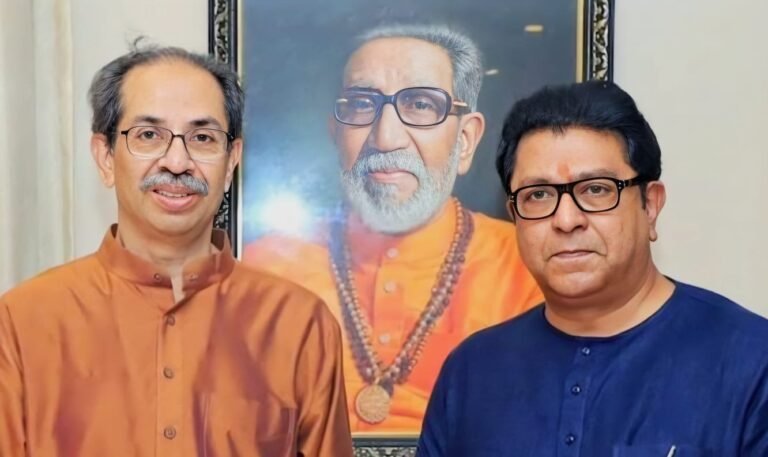
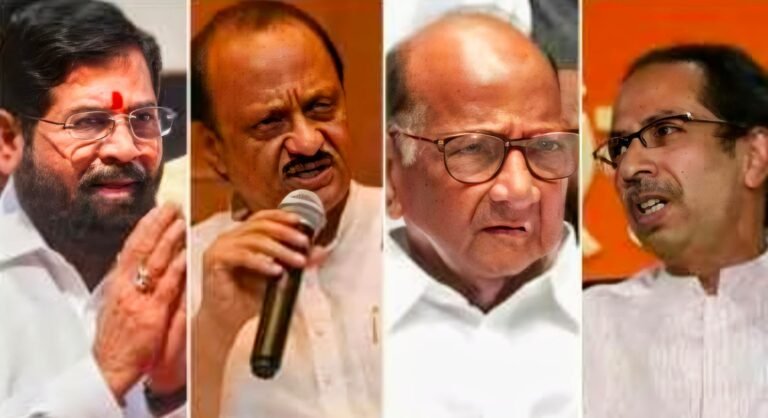
Thackeray Cousins Set for Joint Rally Blitz Ahead of Civic Polls Mumbai | Undercover Editor News Channel Mumbai: In a significant political development ahead of the upcoming municipal corporation elections, Shiv Sena (UBT) chief Uddhav Thackeray and Maharashtra Navnirman Sena (MNS) president Raj Thackeray are set to launch a joint rally campaign across Mumbai and the Mumbai Metropolitan Region (MMR). The cousins are expected to address seven to eight joint rallies between January 2 and January 13, marking their first shared political rally platform in nearly two decades. According to Sena (UBT) functionaries, at least three major joint rallies are planned in Mumbai during the final phase of the Brihanmumbai Municipal Corporation (BMC) campaign. These rallies will cover the city, western suburbs, and eastern suburbs, with the aim of concluding the electioneering on a high-voltage note. Similar joint rallies are also scheduled in Thane, Kalyan-Dombivli, Navi Mumbai, Nashik, and other key parts of the MMR. Party leaders said the joint rallies will be the centre of attraction of the campaign, with both Thackeray cousins expected to strike an emotional chord with voters by reviving the Marathi Manoos narrative while launching sharp attacks on the BJP and the Eknath Shinde-led Shiv Sena. Despite the seat-sharing talks between Shiv Sena (UBT) and the MNS still being finalised, preparations for the rallies are already underway. The joint events are expected to take place after the December 30 deadline for nomination filing and withdrawals, allowing the alliance to shift full focus to aggressive campaigning. Seat-sharing talks continue Sources indicated that under the proposed seat-sharing formula, Shiv Sena (UBT) may contest around 145 to 150 seats, the MNS is likely to get 65 to 70 seats, while 10 to 12 seats could be allocated to the Sharad Pawar-led NCP (SP). Sena (UBT) is said to have vacated 12 to 15 of its existing seats for the MNS, many of which were earlier represented by corporators who later joined the Shinde-led Sena or the BJP. A senior Sena (UBT) functionary said the joint rallies would have a strong emotional and political impact. “The two cousins will share the stage and address political rallies together after 20 years. Until now, they have only appeared together at meetings and press conferences. These rallies will energise our cadre and significantly raise the pitch against the Mahayuti,” the leader said. Alliance rooted in emotion and responsibility The formal alliance between Shiv Sena (UBT) and the MNS was announced earlier this week after several rounds of discussions, family meetings, and cultural interactions. Uddhav and Raj Thackeray made the announcement at a joint press conference in Worli, where both leaders emphasised unity and responsibility towards Maharashtra. Addressing Marathi voters, Uddhav Thackeray warned that division at this stage could prove disastrous. “If you get divided or make any mistake now, you will be completely finished,” he said, calling the reunion a duty towards Maharashtra. Raj Thackeray echoed the sentiment, stating that Maharashtra is bigger than any personal dispute or political rivalry. While no official seat-sharing formula was announced, Raj clarified that candidates would be informed directly about filing their nominations. With the civic polls fast approaching, the Thackeray cousins’ joint rally blitz is expected to reshape the political narrative in Mumbai and surrounding regions, setting the stage for one of the most closely watched municipal battles in recent years.
महाराष्ट्र नगर निकाय चुनावों की घोषणा: 15 जनवरी को BMC सहित 28 नगर निगमों में मतदान

महाराष्ट्र नगर निकाय चुनावों की घोषणा: 15 जनवरी को BMC सहित 28 नगर निगमों में मतदान

महाराष्ट्र नगर निकाय चुनावों की घोषणा: 15 जनवरी को BMC सहित 28 नगर निगमों में मतदान मुंबई | अंडरकवर एडिटर न्यूज़ चैनल | 15 दिसंबर, 2025 महाराष्ट्र राज्य निर्वाचन आयोग ने सोमवार को राज्य के 29 नगर निगमों—जिसमें देश का सबसे समृद्ध नगर निकाय बृहन्मुंबई महानगरपालिका (BMC) भी शामिल है—के चुनाव कार्यक्रम की घोषणा कर दी। यह घोषणा महाराष्ट्र की शहरी राजनीति और स्थानीय प्रशासन के लिहाज़ से एक अहम पड़ाव मानी जा रही है। राज्य निर्वाचन आयुक्त दिनेश वाघमारे ने मुंबई में आयोजित प्रेस कॉन्फ्रेंस में बताया कि सभी 29 नगर निगमों के लिए मतदान एक ही चरण में 15 जनवरी, 2026 को कराया जाएगा, जबकि मतगणना 16 जनवरी, 2026 को होगी। चुनाव कार्यक्रम की घोषणा के साथ ही नगर निगम चुनावों के लिए आदर्श आचार संहिता (Model Code of Conduct) तत्काल प्रभाव से लागू हो गई है। इसके तहत सरकारी घोषणाओं, तबादलों और प्रचार से जुड़ी गतिविधियों पर रोक लग गई है। नगर निगम चुनावों की प्रमुख तारीखें निर्वाचन आयोग द्वारा जारी कार्यक्रम के अनुसार: इन चुनावों के माध्यम से राज्यभर में कुल 2,869 नगरसेवकों का चुनाव किया जाएगा। तीन करोड़ से अधिक मतदाताओं के मतदान की उम्मीद इन नगर निगम चुनावों में तीन करोड़ से अधिक मतदाता अपने मताधिकार का प्रयोग करेंगे। मतदान प्रक्रिया इलेक्ट्रॉनिक वोटिंग मशीन (EVM) के माध्यम से संपन्न कराई जाएगी। मतदाता सूची में दोहराव की समस्या से निपटने के लिए निर्वाचन आयोग ने विशेष व्यवस्था की है। जिन मतदाताओं के नाम एक से अधिक स्थानों पर दर्ज हैं, उनके नाम के आगे डबल स्टार (*) का निशान लगाया जाएगा। ऐसे मतदाताओं को यह घोषणा-पत्र और हलफनामा देना होगा कि वे किस मतदान केंद्र पर वोट डालेंगे। चुनाव प्रचार मतदान से 24 घंटे पहले समाप्त कर दिया जाएगा। इन प्रमुख नगर निगमों में होंगे चुनाव महाराष्ट्र के कई बड़े शहरी निकाय इस चुनाव प्रक्रिया का हिस्सा होंगे, जिनमें शामिल हैं: (कुल 29 नगर निगम) राजनीतिक दांव ऊंचे इन नगर निगम चुनावों—विशेषकर BMC चुनाव—को आगामी विधानसभा और लोकसभा चुनावों से पहले राजनीतिक ताकत की बड़ी परीक्षा माना जा रहा है। देश के सबसे अमीर नगर निगम BMC पर नियंत्रण राजनीतिक और प्रशासनिक दृष्टि से अत्यंत महत्वपूर्ण माना जाता है। पृष्ठभूमि: स्थानीय निकाय चुनाव पहले ही शुरू गौरतलब है कि महाराष्ट्र में स्थानीय निकाय चुनावों के पहले चरण में 2 दिसंबर को 264 नगर परिषदों और नगर पंचायतों के लिए मतदान हो चुका है। 24 स्थानीय निकायों में चुनाव स्थगित किए गए थे, जिनके नतीजे 21 दिसंबर को घोषित होने की उम्मीद है। महाराष्ट्र में चुनावी माहौल तेज़ होने के साथ ही अब निगाहें उम्मीदवारों के चयन, राजनीतिक गठबंधनों और प्रचार रणनीतियों पर टिक गई हैं। आने वाले हफ्तों में शहरी विकास और नागरिक सुविधाओं से जुड़े मुद्दे चुनावी बहस के केंद्र में रहने की संभावना है।
महाराष्ट्र नगर निकाय चुनावों की घोषणा: 15 जनवरी को BMC सहित 28 नगर निगमों में मतदान

Maharashtra Civic Polls Announced: BMC and 28 Municipal Corporations to Vote on January 15

Maharashtra Civic Polls Announced: BMC and 28 Municipal Corporations to Vote on January 15 Mumbai | Undercover Editor News Channel | December 15, 2025 The Maharashtra State Election Commission on Monday announced the much-awaited schedule for elections to 29 municipal corporations across the state, including the Brihanmumbai Municipal Corporation (BMC), marking a crucial phase in Maharashtra’s local governance and political landscape. State Election Commissioner Dinesh Waghmare, addressing a press conference in Mumbai, said that polling for all 29 municipal corporations will be conducted in a single phase on January 15, 2026, while the counting of votes will take place on January 16, 2026. With the announcement, the Model Code of Conduct (MCC) for municipal corporations has come into force with immediate effect, putting restrictions on government announcements, transfers, and campaign-related activities. Key Dates for Civic Elections According to the official schedule released by the Election Commission: A total of 2,869 corporators will be elected across the 29 municipal corporations. Over Three Crore Voters Expected More than three crore voters are expected to exercise their franchise in these civic polls, which will be conducted using Electronic Voting Machines (EVMs). To tackle the issue of duplicate entries in electoral rolls, the Election Commission has introduced a special mechanism. Voters whose names appear more than once will have a double-star mark next to their names and will be required to submit a written declaration along with an affidavit, specifying the polling station where they intend to vote. Campaigning for the elections will end 24 hours before polling day, in line with election norms. Municipal Corporations Going to Polls The elections will cover major urban civic bodies across Maharashtra, including: (and others, totalling 29 municipal corporations) Political Stakes High The civic polls, particularly the BMC elections, are being closely watched as they are seen as a test of political strength ahead of future Assembly and Lok Sabha contests. Control over municipal corporations — especially the BMC, India’s richest civic body — carries enormous political and administrative influence. Background: Local Body Elections Underway It may be noted that voting for the first phase of local body elections in Maharashtra took place on December 2, covering 264 municipal councils and nagar panchayats. Elections in 24 local bodies were postponed, with results expected to be declared on December 21. As Maharashtra heads into a critical election season, the focus now shifts to candidate selection, alliances, and campaigning, with urban governance issues set to dominate public discourse in the coming weeks.
शीर्षक: मित्र, विरोधी और अवसरवादी: मुंबई की BMC राजनीति में गठबंधन बार-बार क्यों बदलते हैं

शीर्षक: मित्र, विरोधी और अवसरवादी: मुंबई की BMC राजनीति में गठबंधन बार-बार क्यों बदलते हैं

शीर्षक: मित्र, विरोधी और अवसरवादी: मुंबई की BMC राजनीति में गठबंधन बार-बार क्यों बदलते हैं मुंबई | अंडरकवर एडिटर न्यूज़ चैनल | 14 दिसंबर 2025 मुंबई की नगर राजनीति कभी स्थायी मित्रता पर आधारित नहीं रही। यहां सत्ता की राजनीति हमेशा बदलते समीकरणों, रणनीतिक साझेदारियों और अचानक टूटने वाले गठबंधनों से संचालित होती रही है। इसका एक ही बड़ा कारण है — देश की सबसे समृद्ध महानगरपालिका, बृहन्मुंबई महानगरपालिका (BMC) पर नियंत्रण। आगामी BMC चुनाव जैसे-जैसे नज़दीक आ रहे हैं, पुराने राजनीतिक पैटर्न एक बार फिर उभरने लगे हैं। पुराने सहयोगी अपने रिश्तों पर पुनर्विचार कर रहे हैं, कट्टर प्रतिद्वंद्वी नए समीकरण तलाश रहे हैं और राजनीतिक दल विचारधारा तथा चुनावी गणित के बीच संतुलन साधने में जुटे हैं। बदलते गठबंधनों का शहर मुंबई की नगर राजनीति का इतिहास बार-बार बदलते गठबंधनों से भरा पड़ा है। जिन दलों ने कभी एक-दूसरे के खिलाफ तीखा संघर्ष किया, वही समय आने पर सत्ता में साझेदार बने। परिस्थितियां बदलीं तो वही गठबंधन टूट भी गए। यह बदलाव अक्सर व्यक्तिगत टकराव से नहीं, बल्कि मुंबई के जटिल मतदाता ढांचे, वार्ड-स्तरीय समीकरणों और BMC की अपार आर्थिक व प्रशासनिक शक्ति से प्रेरित रहे हैं। शिवसेना: विचारधारा से व्यावहारिक राजनीति तक मुंबई में शिवसेना की राजनीतिक यात्रा इस लचीलापन की सबसे स्पष्ट मिसाल है। मराठी अस्मिता और हिंदुत्व की मजबूत विचारधारा पर खड़ी यह पार्टी, आवश्यकता पड़ने पर वैचारिक सीमाओं से परे जाकर गठबंधन करने से कभी नहीं हिचकी। 1960 के दशक के अंत में समाजवादी दलों के साथ गठजोड़ से लेकर 1970 के दशक में रिपब्लिकन पार्टी के गुटों के साथ अप्रत्याशित समझौतों तक, शिवसेना ने कई बार राजनीतिक विश्लेषकों को चौंकाया। भाजपा के साथ उसका दीर्घकालिक गठबंधन — जिसमें सहयोग और प्रतिस्पर्धा दोनों शामिल रहे — लगभग दो दशकों तक मुंबई की राजनीति पर हावी रहा। हालांकि 2017 के BMC चुनावों से पहले इस रिश्ते में दरार साफ दिखाई देने लगी। 2022 में पार्टी विभाजन के बाद समीकरण और जटिल हो गए। आज उद्धव ठाकरे के नेतृत्व वाली शिवसेना (उद्धव बालासाहेब ठाकरे) नए विकल्पों पर विचार कर रही है, वहीं जरूरत पड़ने पर अकेले चुनाव लड़ने का संकेत भी दे रही है। कांग्रेस: प्रभुत्व से रणनीतिक सतर्कता तक एक समय मुंबई की राजनीति पर पूरी तरह हावी रहने वाली कांग्रेस आज कहीं अधिक प्रतिस्पर्धी माहौल में खुद को स्थापित करने की कोशिश कर रही है। स्वतंत्रता के बाद कई दशकों तक नगर निगम चुनाव कांग्रेस के भीतर गुटीय संघर्ष तक सीमित रहते थे। लेकिन शिवसेना, भाजपा और अन्य क्षेत्रीय दलों के उभार ने उस वर्चस्व को धीरे-धीरे कमजोर कर दिया। प्रासंगिक बने रहने के लिए कांग्रेस ने समय-समय पर रिपब्लिकन पार्टी ऑफ इंडिया, राष्ट्रवादी कांग्रेस पार्टी (NCP) और अन्य गठबंधनों का सहारा लिया। पार्टी नेताओं का मानना है कि इन गठबंधनों से अल्पकालिक लाभ तो मिला, लेकिन संगठनात्मक मजबूती को नुकसान भी पहुंचा। इसी अनुभव के चलते अब पार्टी का मुंबई नेतृत्व BMC चुनाव अकेले लड़ने पर जोर दे रहा है। नेतृत्व का मानना है कि स्थानीय निकाय चुनाव जमीनी स्तर पर संगठन को फिर से मजबूत करने का अवसर हैं, न कि केवल सहयोगियों पर निर्भर रहने का माध्यम। भाजपा और महायुति की रणनीति सत्तारूढ़ पक्ष में भाजपा मुंबई की सबसे संगठित और संसाधन-संपन्न पार्टी के रूप में BMC चुनावी मैदान में उतर रही है। हालांकि उसकी रणनीति गठबंधन आधारित है। भाजपा, एकनाथ शिंदे के नेतृत्व वाली शिवसेना और अजित पवार की NCP से मिलकर बनी महायुति संयुक्त रणनीति पर काम कर रही है। सीटों के बंटवारे को लेकर भाजपा नेताओं का कहना है कि निर्णय ‘तकनीकी और रणनीतिक’ आधार पर लिए जाएंगे। यानी वार्ड-स्तरीय गणित और जमीनी समीकरण प्राथमिक भूमिका निभाएंगे। उद्देश्य स्पष्ट है — मतों का बिखराव रोकना और सत्ता पर पकड़ बनाए रखना। गठबंधन बार-बार क्यों बदलते हैं? मुंबई की राजनीति में गठबंधन बदलने के पीछे मुख्य रूप से तीन कारण हैं: आगे क्या? जैसे-जैसे चुनावी तैयारियां तेज होंगी, मुंबई एक बार फिर नए गठबंधनों या मौजूदा समझौतों के टूटने का गवाह बन सकती है। कुछ दल भाजपा के वर्चस्व को चुनौती देने के लिए एकजुटता को जरूरी मानते हैं, जबकि अन्य अपनी पहचान और संगठन बचाने के लिए स्वतंत्र रास्ता चुनने के पक्षधर हैं। इतिहास एक बात साफ करता है — मुंबई की BMC राजनीति में स्थायित्व अपवाद है। यहां नियम हमेशा एक ही रहा है: आज का सहयोगी, कल का प्रतिद्वंद्वी हो सकता है।  

Recent News

Undercover Editor

From BMC updates, local area developments, railway station news, and crime reports to the latest in politics, sports, Bollywood, lifestyle, travel, and education, we bring you news that’s relevant, reliable, and real-time


Undercover Editor © 2025 – Designed by iCreato