Category: Mumbai News

Contrary to popular belief, Lorem Ipsum is not simply random text. It has roots in a piece of classical Latin literature from 45 BC, making it over 2000 years old. Richard McClintock, a Latin professor

‘Be Careful in India?’ Foreigner Breaks Down After Stranger’s Kindness in Mumbai, Viral Video Melts Millions of Hearts

‘Be Careful in India?’ Foreigner Breaks Down After Stranger’s Kindness in Mumbai, Viral Video Melts Millions of Hearts

‘Be Careful in India?’ Foreigner Breaks Down After Stranger’s Kindness in Mumbai, Viral Video Melts Millions of Hearts Mumbai: What began as a cautious journey through India turned into a deeply moving experience for a foreign traveller whose emotional video has now captured millions of hearts online. Alicia, an international traveller documenting her long-distance run from Mumbai to Goa, recently shared a video on Instagram that has since gone viral. In the clip, she is seen walking along a street, speaking directly to the camera, visibly overwhelmed as she reflects on an unexpected act of kindness from a stranger in Mumbai. A Journey Beyond Tourism Unlike conventional travel that focuses on sightseeing, Alicia chose a slower path—running between cities, passing through towns and villages, and interacting closely with local communities. Her journey was not about ticking off tourist attractions, but about experiencing everyday life in India. Before arriving, she says she received repeated warnings urging her to “be careful.” Friends and acquaintances cautioned her about safety concerns, echoing perceptions often shaped by international media narratives. But in her emotional video, Alicia gently questions those fears. “Be careful of what?” she asks, before answering herself—suggesting she should instead be careful not to fall even more in love with the people she has met along the way. A Simple Gesture, A Powerful Impact The moment that left her in tears occurred in Mumbai. Alicia recounts how a man, whom she described as appearing economically underprivileged, went out of his way to buy her a bottle of water. Despite her polite attempts to refuse, he insisted she accept it. She did not fully understand everything he said, but she recalls him mentioning “Mumbai” with pride. For Alicia, the small gesture carried immense meaning. In her caption, she reflected that even those with limited material means can show extraordinary compassion and generosity. In India, offering water to a guest or passerby is deeply rooted in cultural tradition—a quiet but powerful expression of hospitality. In bustling cities like Mumbai, where economic contrasts are visible and life moves at a relentless pace, such acts often go unnoticed. Yet for one traveller, this moment became symbolic of her entire journey. Social Media Embraces the Story The video has reportedly garnered over 3.4 million views, sparking thousands of reactions and heartfelt comments. Many users wrote that this is the India they know—an India defined not by headlines, but by humanity. Others echoed the sentiment that kindness is not measured by wealth, but by character. Some comments reflected on how travel can reshape perceptions, teaching lessons about empathy and connection that no classroom can provide. Others noted that small gestures from strangers often leave lifelong impressions. Redefining Perceptions Alicia’s story has resonated far beyond social media trends. It highlights the contrast between preconceived fears and lived experiences, and reminds viewers that human connection often transcends language, nationality, and circumstance. In a world frequently dominated by negative narratives, one bottle of water—and one stranger’s kindness—has become a powerful reminder that compassion still flows freely on the streets of Mumbai.
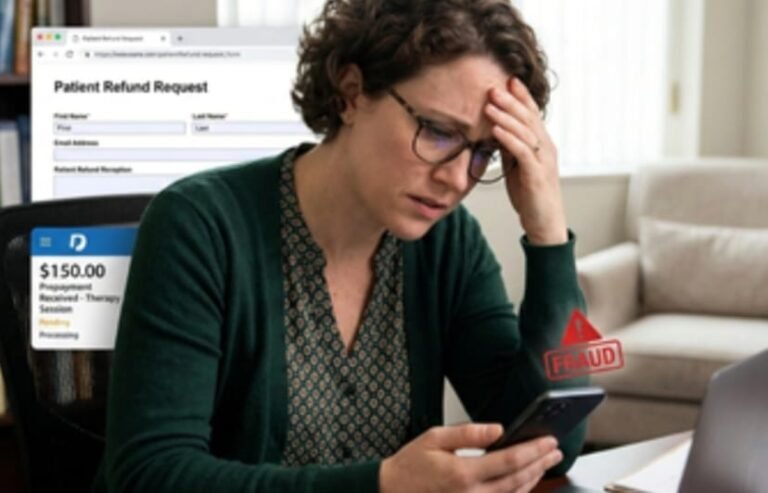
Fake Payment Scam Targets Mumbai Psychologists, Fraudsters Exploit Online Appointment System

Fake Payment Scam Targets Mumbai Psychologists, Fraudsters Exploit Online Appointment System

Fake Payment Scam Targets Mumbai Psychologists, Fraudsters Exploit Online Appointment System Mumbai: A new and troubling online fraud is leaving mental health professionals shaken across the city. Psychologists in Mumbai are reporting a rise in appointment-related scams, where fraudsters pose as patients, share fake payment screenshots, and then pressure therapists into issuing refunds for money that was never paid. The scam typically begins with a phone call or text message requesting a therapy appointment. The caller insists on making an advance online payment and soon sends what appears to be a genuine transaction screenshot. Shortly after, the appointment is abruptly cancelled and a refund is demanded. The screenshot, however, is fabricated, and no payment has actually been credited. “The scammer creates urgency and confusion, pushing the counsellor to issue a refund immediately,” said a psychologist who fell victim to the fraud and requested anonymity. “If you don’t verify the bank statement carefully, you end up transferring your own money.” Several psychologists have shared similar experiences. One counsellor recounted how the individual became abusive when informed that no payment had been received. Another psychologist explained that the entire interaction happened over text messages, with the fraudster claiming to be from outside the city and citing references from well-known hospitals to gain trust. After receiving a QR code for payment, the psychologist was sent a screenshot complete with transaction ID, time stamp, and other realistic details. When a refund was requested, a routine check revealed that no money had entered the account. On being confronted, the fraudster accused the professional of cheating and used threatening language. Mental health professionals say the scam is becoming more sophisticated. Fake payment screenshots, created using easily available online templates, are designed to look authentic at first glance. In one case, a psychologist uploaded the image to an online verification tool and discovered it was generated from a template rather than an actual banking app. Another counsellor described being contacted for an “emergency” session. After claiming a payment link was not working, the fraudster requested a QR code and immediately sent a screenshot showing a payment of ₹2,000. Despite repeated checks, no transaction appeared in the bank account. The individual continued to insist that payment had been made but eventually failed to show up for the session. Experts say the rise of online consultations after the Covid-19 pandemic has made advance digital payments common practice, inadvertently opening doors for such frauds. While police officials have acknowledged awareness of the scam, no formal complaints have been registered so far. Psychologists are now urging colleagues to remain cautious—verify every payment directly through bank statements before confirming appointments or processing refunds. “Our profession is built on trust and empathy,” one counsellor said. “Scams like these not only cause financial loss but also emotional distress to professionals who are simply trying to help others.”
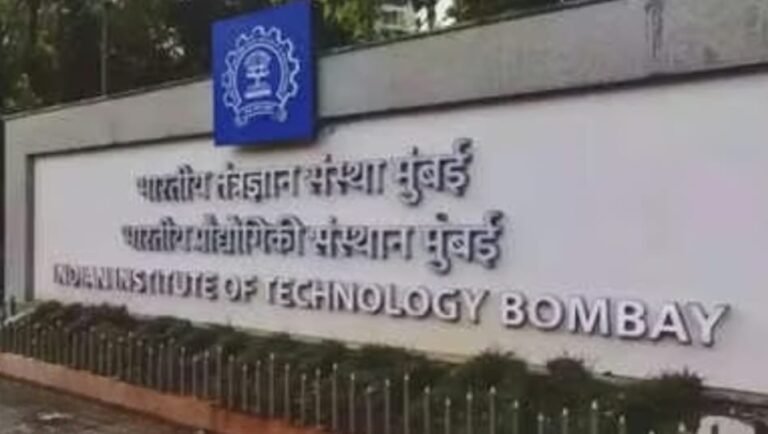
College Dropout Arrested for Hiding Live Cartridges in IIT Powai Hostel Student’s Bag

College Dropout Arrested for Hiding Live Cartridges in IIT Powai Hostel Student’s Bag

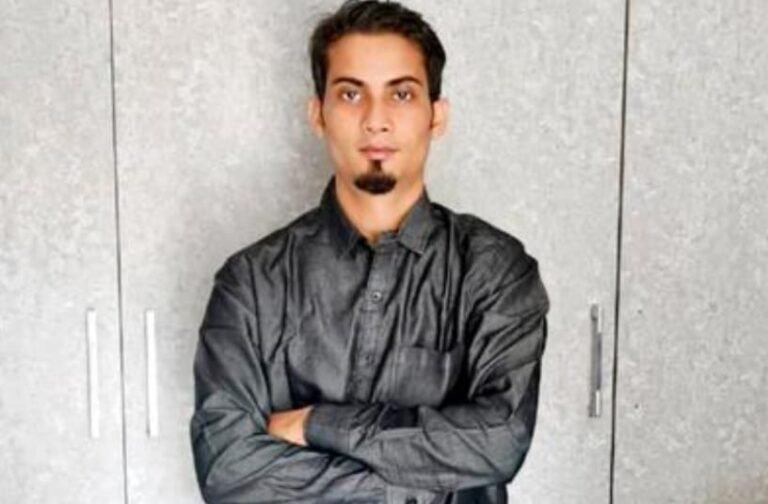
College Dropout Arrested for Hiding Live Cartridges in IIT Powai Hostel Student’s Bag Mumbai | Crime & Education Desk In a serious security breach inside one of India’s premier educational institutions, Powai police have arrested a 23-year-old college dropout for allegedly hiding live ammunition in the bag of a first-year engineering student at IIT Bombay’s Powai campus. The accused, identified as Anand Chaudhary, was apprehended on February 19 from within the IIT hostel premises after security officials recovered five 7.65 mm live cartridges from a student’s bag during a routine inspection. Chaudhary has been booked under provisions of the Arms Act and remanded to judicial custody while police continue to investigate the motive behind the act. How the Incident Came to Light According to police officials, the ammunition was discovered during a security check carried out after a scuffle broke out between two hostel residents. Security personnel, responding to complaints of alcohol consumption—strictly prohibited within hostel premises—conducted room inspections. During the search of one hostel room, officials found five live cartridges concealed inside a black travel bag. Subsequent questioning revealed that the bag belonged to Apoorva Mishra, a first-year BTech student, who told authorities that the cartridges had been placed there by his childhood friend, Anand Chaudhary. Accused Caught Inside Campus Police said Chaudhary, who had arrived in Mumbai on February 12, was staying in the hostel as a guest. He was caught when he returned to the campus on February 19 to meet Mishra. IIT security detained him and later handed him over to Powai Police for further investigation. Investigators stated that no firearm was recovered from the campus. However, the presence of live ammunition triggered immediate security concerns, prompting swift police action. Police Probe Underway During preliminary questioning, Mishra reportedly admitted he was aware of the cartridges but did not perceive them as a serious threat, allegedly citing familiarity with firearms in his hometown. Police have clarified that such explanations do not mitigate the seriousness of the offence, especially within a high-security educational campus. Officials are now probing how Chaudhary procured the ammunition, whether it was legally owned, and what his intent was in bringing live cartridges into the hostel. Institute Responds In an official statement, IIT Bombay confirmed that the ammunition was brought onto campus by a visitor and not by a student. The institute said it conducted an internal inquiry before handing the matter over to the police and assured that disciplinary action would be taken in accordance with institutional rules. Legal Action An FIR has been registered under the Arms Act. Chaudhary was produced before a magistrate and remanded to custody. The students involved were questioned and released. Further investigation is ongoing. Authorities have reiterated that any breach involving weapons or ammunition on educational campuses will be dealt with strictly, citing concerns over student safety and campus security.
Santacruz Police Bust Online Scam, Arrest Domestic Worker Red-Handed While Collecting ₹9.8 Lakh Smartphones

Santacruz Police Bust Online Scam, Arrest Domestic Worker Red-Handed While Collecting ₹9.8 Lakh Smartphones

Santacruz Police Bust Online Scam, Arrest Domestic Worker Red-Handed While Collecting ₹9.8 Lakh Smartphones Mumbai | Undercover Editor News Channel, February 21, 2026 Mumbai: In a swift and well-coordinated operation, the Santacruz Police arrested a 28-year-old domestic worker for allegedly duping his elderly employer of nearly ₹9.8 lakh through an online shopping scam in Santacruz West. What began as a routine hiring to assist an elderly couple with health-related needs soon turned into a case of serious breach of trust. According to police officials, the accused joined the household barely a week before committing the offence. During this period, he allegedly stole the 73-year-old employer’s mobile phone, credit card, and cash, and used them to place multiple high-value online orders. Using the stolen phone to access OTPs and payment alerts, the accused ordered around 15 high-end smartphones worth approximately ₹9.8 lakh from the e-commerce platform Flipkart. When the victim discovered the fraudulent transactions, he immediately approached the police. Acting swiftly on the complaint, Santacruz police coordinated with the e-commerce company and closely monitored the delivery location in the Sahar area. A trap was laid, and the accused was caught red-handed when he arrived to collect the consignment. All the smartphones were seized on the spot, and the accused was taken into custody. Police officials confirmed that the entire fraud amount has been successfully restored to the victim’s credit card after the orders were cancelled and the devices recovered. Investigations revealed that the accused had been placed in the job through a domestic service provider, raising concerns over background verification processes. The incident has once again highlighted the growing threat of digital fraud and the need for caution while hiring domestic help, especially in households with senior citizens. Further investigation is underway to determine whether the accused was involved in similar crimes elsewhere. Police have urged citizens to remain vigilant and report any suspicious activity immediately.
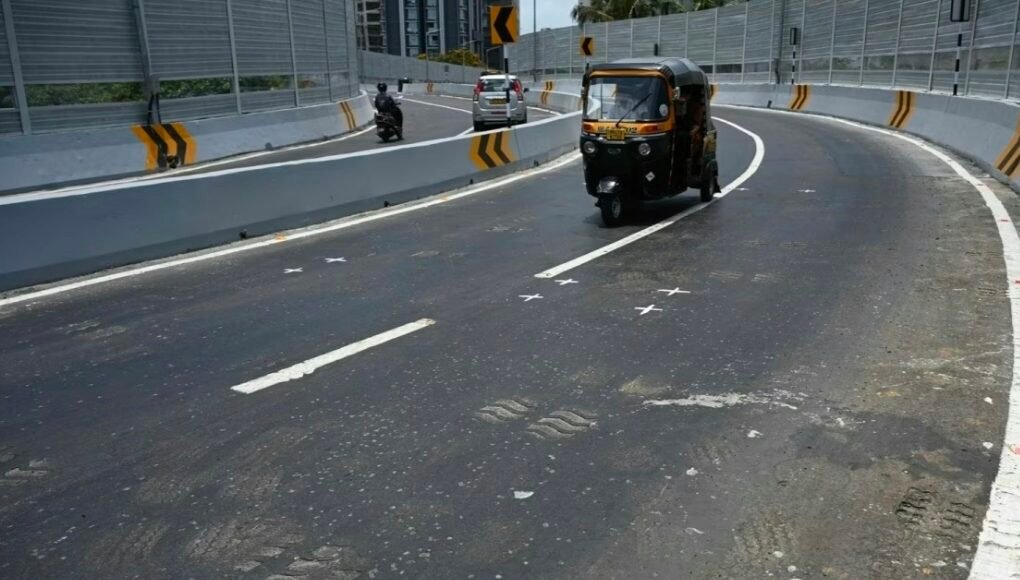
Mumbai Coastal Road Work Triggers Tremor Fears: BMC Orders Independent VJTI Survey After Residents’ Complaints

BMC Orders Independent Survey After Residents Report Tremors During Mumbai Coastal Road Work

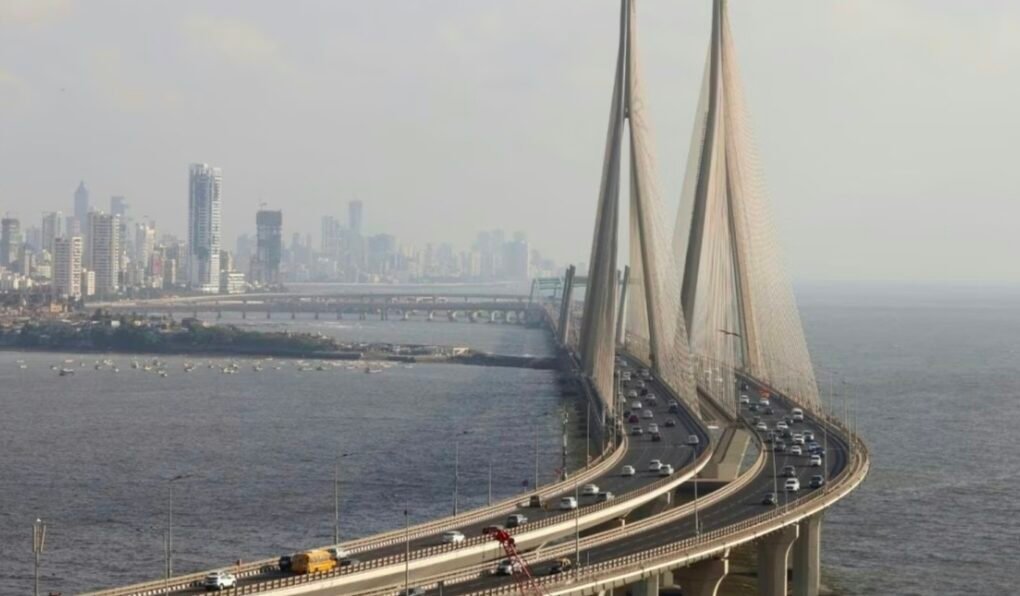
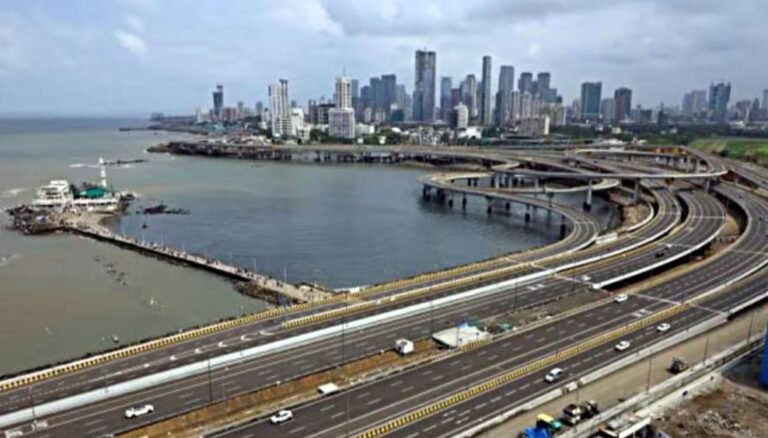
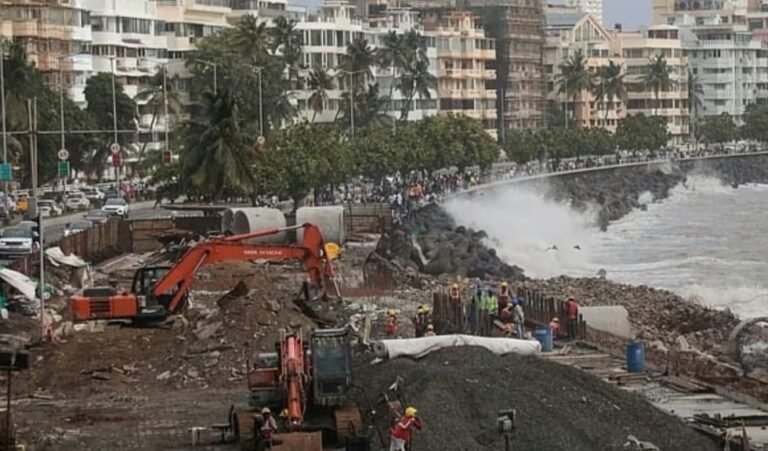
BMC Orders Independent Survey After Residents Report Tremors During Mumbai Coastal Road Work Mumbai: The Brihanmumbai Municipal Corporation (BMC) has decided to appoint the Veermata Jijabai Technical Institute (VJTI) to conduct an independent technical survey of the ongoing excavation and piling work for the second phase of the Mumbai Coastal Road Project, following complaints from residents who reported experiencing tremor-like vibrations in their homes. Residents of the Charkop area in Kandivali alleged that test piling activities carried out earlier this month caused earthquake-like vibrations, raising concerns over the structural safety of nearby residential buildings. The complaints prompted civic authorities to temporarily halt work and convene a meeting with local residents and officials. The decision to involve VJTI was taken on Wednesday after a joint meeting chaired by BJP MLA Sanjay Upadhyay. According to civic officials, while a structural audit of existing buildings had been conducted by a private expert agency before the piling began, VJTI will now independently review those findings and, if necessary, conduct a fresh technical assessment. “Once the VJTI submits its report, piling work will resume with additional safety measures. Sensors will be installed to continuously monitor vibration levels so that any potential risk to nearby structures can be immediately detected,” a senior BMC official said. The complaints began emerging around February 11, when test piling commenced for the second phase of the project. Several residents claimed they felt repeated vibrations inside their homes, leading to fear and anxiety, particularly among senior citizens. The second phase of the Mumbai Coastal Road aims to connect Versova in the western suburbs to Bhayandar, significantly improving north–south connectivity within the Mumbai Metropolitan Region (MMR). The proposed corridor will feature underground tunnels, a cable-stayed bridge, and multiple interchanges. It will also integrate with the upcoming Goregaon Mulund Link Road (GMLR), another major infrastructure project being developed by the BMC. This is not the first time such concerns have surfaced. Prior to 2022, residents along Marine Drive and in Girgaon had raised similar complaints during piling work for the first phase of the coastal road, prompting the civic body to introduce additional monitoring mechanisms at the time. Civic officials have reiterated that public safety remains a priority and assured residents that no work will proceed without technical clearance. “We will not compromise on safety. All necessary precautions will be taken before resuming construction,” the official added.
The Anger Beneath Mumbai’s Endless Construction

The Anger Beneath Mumbai’s Endless Construction

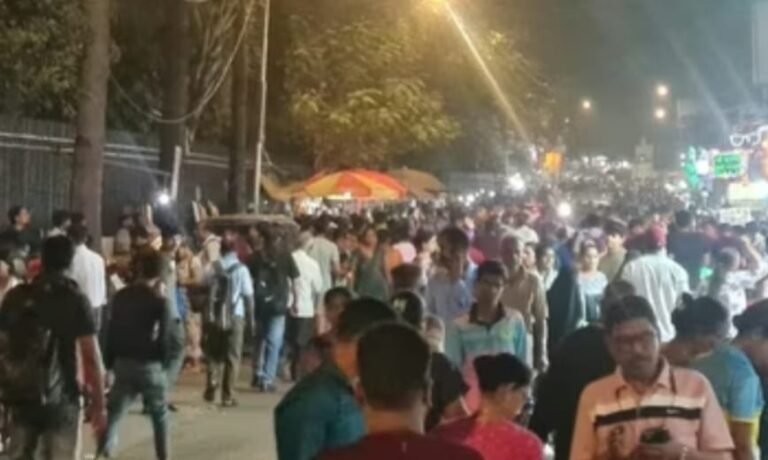
The Anger Beneath Mumbai’s Endless Construction Mumbai: At 8.30 am on a weekday, traffic at Andheri’s Gokhale Bridge barely moves. Dust settles thick on windshields, delivery riders rub stinging eyes at traffic signals, and office-goers step off broken footpaths straight into speeding vehicles. Overhead, unfinished streetlights hang with exposed cables — a daily reminder that in Mumbai, construction never truly ends. Across the city, from the dense lanes of Dharavi to the crowded suburbs of Andheri and Borivali, Mumbaikars are running out of patience. Roads are dug up repeatedly, footpaths vanish under debris, and barricades appear overnight. What was once seen as the price of development is now widely viewed as a symbol of civic failure. Mumbai’s identity as India’s financial capital increasingly competes with another reputation — a city perpetually under repair. Growth Without Planning Mumbai’s infrastructure crisis did not emerge overnight. Rapid expansion after Independence, particularly from the 1960s onward, pushed the city far beyond what its colonial-era road network was designed to handle. As industries grew and suburbs expanded, planning failed to keep pace with population growth and rising vehicle ownership. Successive governments promised solutions — flyovers, sea links, coastal roads and Metro corridors — each billed as transformational. Yet for ordinary citizens, daily life remained dominated by potholes, diversions and dust-filled commutes. One of the most common complaints is the repeated digging of the same roads. A stretch repaired after monsoon is reopened months later for pipelines, cables or drainage, only to be resurfaced again — and then dug up once more. Urban planners have long warned that fragmented governance lies at the heart of the problem. Multiple agencies work in silos, with little coordination or accountability. Civic Bodies Under Scrutiny The Brihanmumbai Municipal Corporation, one of India’s richest municipal bodies, has frequently faced criticism for poor coordination between departments and private utilities. Large-scale road concretisation projects, intended to eliminate potholes, have instead narrowed roads for months and raised concerns over heat retention and waterlogging. Environmental experts warn that replacing permeable surfaces with concrete has worsened flooding and intensified the city’s heat island effect. Air pollution adds another layer of concern. Construction dust is now one of Mumbai’s biggest contributors to poor air quality, even as enforcement against violators remains inconsistent. Courts Step In, Repeatedly The Bombay High Court has repeatedly intervened, pulling up civic authorities over unsafe roads, potholes and shoddy workmanship. Judges have demanded accountability from contractors and warned that public safety cannot be treated as a seasonal concern. On illegal hawking and encroachments, the court’s frustration has been equally visible. Despite clear orders to free footpaths and regulate vending zones, enforcement on the ground remains patchy — often influenced by local politics. Who Really Benefits? Critics argue that Mumbai’s infrastructure boom has become an industry in itself. Allegations of contractor-politician nexus, inflated contracts and weak monitoring have followed major projects for decades. Urban experts point out that large infrastructure projects often fuel real-estate speculation, raising land prices and benefiting developers far more than commuters. Meanwhile, basic services like buses, footpaths and drainage struggle for funding and attention. Citizens increasingly ask a simple question: if taxes are rising and projects are endless, why does daily life keep getting harder? Redevelopment and Its Cost Redevelopment has reshaped Mumbai’s skyline, replacing aging buildings with high-rise towers. While many structures genuinely need rebuilding, the boom has brought dust pollution, noise and safety risks. Rules on dust control exist, but compliance varies widely. Studies have shown that construction and road dust account for a majority of particulate pollution in the city, worsening health outcomes for residents. A City at a Breaking Point For auto drivers navigating broken roads, pedestrians squeezed off footpaths, and families breathing polluted air, the anger is deeply personal. Rising fuel costs, vehicle damage and lost time translate into real financial stress. Sociologists warn that Mumbai’s famous resilience should not be mistaken for acceptance. As trust erodes, frustration grows louder. Mumbai undeniably needs infrastructure upgrades — safer buildings, better transit and modern utilities. But experts agree that without coordination, transparency and strict enforcement, construction will remain chaos rather than progress. Until then, as dusk settles over half-finished flyovers and dust-covered streets, Mumbaikars wait at yet another barricade — wondering when development will finally begin to serve the people it was meant for.

Mumbai Metro Tragedy: One Dead, Three Injured as Concrete Slab Collapses in Mulund West

Mumbai Metro Tragedy: One Dead, Three Injured as Concrete Slab Collapses in Mulund West

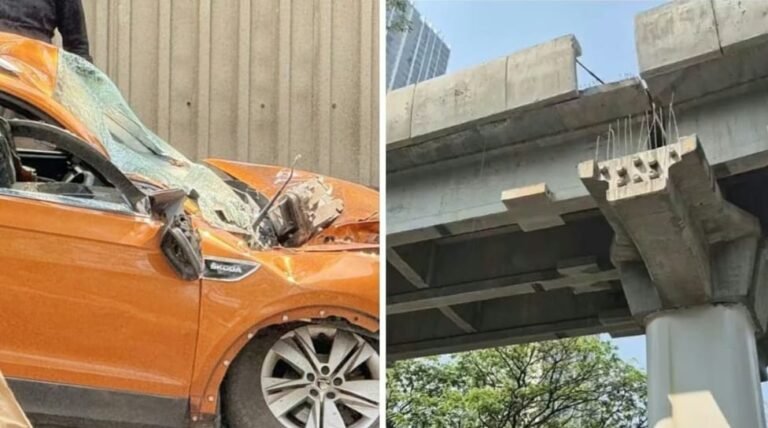
Mumbai Metro Tragedy: One Dead, Three Injured as Concrete Slab Collapses in Mulund West Mumbai | Undercover Editor News Channel, February 14, 2026 Mumbai: In a tragic incident that raised serious safety concerns over ongoing infrastructure projects, one person lost his life and three others were injured after a massive concrete slab from the under-construction Mumbai Metro Line 4 collapsed onto moving vehicles on LBS Marg in Mulund West on Saturday afternoon. The accident occurred around 12:20 pm near the Johnson & Johnson and Oberoi premises, a busy stretch of road with heavy traffic. According to officials, the slab fell from a height and crashed onto cars and an autorickshaw passing beneath, triggering panic and chaos at the site. Eyewitness videos circulating on social media showed terrifying visuals of a crushed car and a mangled autorickshaw, with rescue personnel pulling out victims trapped under the debris. Fire brigade teams, police, metro officials, ward staff and 108 ambulance services rushed to the spot and launched immediate rescue operations. The deceased has been identified as Ramdhan Yadav, who was declared brought dead at the hospital. Among the injured, Rajkumar Yadav (45) is reported to be in critical condition, while Mahendra Pratap Yadav (52) and Deepa Ruhiya (40) are undergoing treatment and are said to be stable. Authorities cordoned off the affected area, leading to temporary traffic disruption on the busy LBS Road. The injured were shifted to a nearby private hospital for urgent medical care. In an official statement, the Mumbai Metropolitan Region Development Authority said the incident took place near Pier P196 of the Metro Line 4 construction work, close to the Mulund Fire Station. A portion of a parapet segment reportedly fell from height and struck a passing autorickshaw. The metro project team, along with the Brihanmumbai Municipal Corporation and disaster management authorities, is currently securing the site and conducting relief operations. The exact cause of the slab collapse is yet to be determined. Officials have stated that a detailed inquiry will be conducted to ascertain responsibility and ensure accountability, as questions mount over construction safety and oversight on one of Mumbai’s key metro corridors. The incident has once again highlighted the urgent need for strict safety audits and monitoring at large-scale infrastructure project sites to prevent such fatal accidents in the future.
Mayor Talks Tough on Illegal Infiltrators — But Who Actually Identifies and Deports Them in Mumbai?

Mayor Talks Tough on Illegal Infiltrators — But Who Actually Identifies and Deports Them in Mumbai?

Mayor Talks Tough on Illegal Infiltrators — But Who Actually Identifies and Deports Them in Mumbai? Mumbai | Undercover Editor News Channel, February 12, 2026 Mumbai: After newly appointed Mumbai Mayor Ritu Tawde announced a crackdown on “illegal Bangladeshi hawkers and infiltrators,” public debate has intensified over who actually has the authority to identify and deport illegal foreign nationals from the city. While the Mayor’s remarks have drawn political attention, senior police officials clarify that deportation of illegal immigrants is strictly a law enforcement and central government function — not a civic one. Who Has the Authority? The identification, detention and deportation of illegal Bangladeshi nationals are handled by the Mumbai Police in coordination with the State Special Branch, the Union Ministry of Home Affairs, and the Border Security Force (BSF). Officials underline that the Mayor or the Brihanmumbai Municipal Corporation (BMC) has no legal power to determine nationality, verify passports, or deport individuals. The civic body can only act against illegal hawking, encroachments, and violations under municipal laws. “Nationality verification and deportation are governed by central laws and handled through established legal procedures,” a senior officer said. Deportation Numbers See Sharp Rise Mumbai Police data reveals that 1,061 illegal Bangladeshi nationals were deported in 2025 across 401 cases — the highest number recorded in a single year. In comparison: Police attribute the spike in 2025 to directions from the Union government asking states to accelerate deportation proceedings. How Police Identify Illegal Immigrants The identification process typically begins during routine verification drives or based on specific intelligence inputs, particularly in areas with dense informal settlements. In many cases, suspects do not possess valid physical documents. Officials say documents are often destroyed, leaving only digital traces on mobile phones. Investigators examine mobile devices for: In some cases, officers conduct video calls to individuals in Bangladesh — including family members or local representatives — to verify identity. Confirmation is made only after multiple cross-checks and verification procedures. What Happens After Confirmation? Once authorities establish that a person has entered India illegally or overstayed a visa, the deportation process begins. Police officials note that criminal cases are not registered in every instance, as court proceedings can delay deportation. If the individual has not committed additional crimes, authorities complete legal documentation and initiate removal. However, if the person is linked to other offences, separate criminal charges are filed. The Deportation Process After documentation is completed, detainees are transported — usually by train — to the Indo-Bangladesh border and handed over to the BSF. In large-scale operations, special flights have also been used. In August last year, 112 illegal Bangladeshi nationals from Mumbai and nearby areas were deported together in a coordinated operation via the Assam-Bangladesh border. What the Mayor’s Statement Means Mayor Tawde recently stated that illegal hawkers occupying footpaths were affecting pedestrian movement and civic planning. She indicated that removal of such encroachments would be a priority in discussions with the Municipal Commissioner. Police officials interpret the remarks as a civic and political position focused on encroachment removal rather than direct intervention in deportation processes. Authorities emphasize that deportation procedures follow a fixed legal framework and continue based on police investigations and central government directives — independent of political statements. This issue highlights the distinction between civic governance and national security enforcement, as Mumbai navigates concerns over illegal immigration, urban encroachments, and public order within the framework of law.
Sewri High-Rise Residents to Hold Silent March Against Illegal Hawking, Noise and Parking Menace

Sewri High-Rise Residents to Hold Silent March Against Illegal Hawking, Noise and Parking Menace

Sewri High-Rise Residents to Hold Silent March Against Illegal Hawking, Noise and Parking Menace Mumbai | Undercover Editor News Channel, February 09, 2026 Mumbai: Residents of multiple high-rise residential complexes in Mumbai’s Sewri area have announced a silent protest march this weekend, voicing strong resentment over what they describe as prolonged civic neglect and unchecked illegal activities that have severely affected their quality of life. The protest is aimed at drawing attention to persistent issues such as unauthorised hawking, encroached footpaths, illegal roadside parking and chronic noise pollution—problems residents say have remained unresolved despite years of complaints to the Brihanmumbai Municipal Corporation (BMC), police authorities and elected representatives. According to residents, enforcement actions by civic and law-enforcement agencies have been sporadic and largely superficial, allowing violations to resume within days. Locals claim the situation has deteriorated to such an extent that frequent confrontations between residents and hawkers have become inevitable. Decade-Long Struggle for Civic Relief Residents of Dosti Flamingo, a large residential complex housing nearly 2,500 people across multiple towers, say they have borne the brunt of the chaos. Rajendra Ghag, secretary of the society, said that complaints have been raised consistently for nearly a decade with little lasting impact. “For the past ten years, we have been complaining. Footpaths are either non-existent or fully encroached, roads are occupied by hawkers and illegally parked vehicles, and even walking has become dangerous. On top of this, loudspeakers blare year-round from the BMC ground during sports tournaments and community events. Peaceful living has become impossible,” Ghag said. He added that the issue affects over 15,000 residents living in eight to ten high-rise buildings, including Ashoka Gardens, Celestia Spaces, Lodha Aria, Rishabh Garden, Crimpton Tower and Girnar Tower. Allegations of Political Patronage Residents have also raised concerns over the unauthorised Ram Tekdi fish market and clusters of hawkers operating near Sewri Market and along T J Road. Locals allege that these activities continue with tacit political backing. “There is a widespread belief that high-rise residents do not face civic problems. This march is meant to shatter that misconception,” Ghag said. Another resident, Minitha Saxena, stressed that temporary crackdowns are ineffective. “Hawkers are removed for a few days and then return. We don’t want cosmetic action. Either relocate them to designated zones or enforce the law consistently,” she said. Safety at Risk, Say Residents Pedestrian safety has emerged as a major concern. Saarthi Mukherjee, a local resident, said navigating the roads has become dangerous, especially for children and senior citizens. “Walking here has become impossible. Vehicles are forced to squeeze past pedestrians, and children cannot cross the road safely. We are peace-loving, tax-paying citizens who feel completely ignored,” he said. Residents claim that despite submitting multiple memorandums and meeting political representatives across party lines, civic enforcement remains inconsistent and short-lived. Silent March on February 14 The silent march is scheduled for February 14 and will be conducted in strict compliance with police guidelines. Organisers emphasised that the protest is non-political and aimed solely at restoring civic order and public safety. Ghag said residents are even willing to publicly felicitate officials from the BMC, police and RTO if firm and permanent action is taken before the protest date. “This is not about politics or confrontation. This is about basic civic discipline and the right to live with dignity. Enough is enough,” he said.
BJP Set to Install First Mumbai Mayor as Ritu Tawde Files Nomination; Shiv Sena Names Sanjay Ghadi as Deputy Mayor Candidate

BJP Set to Install First Mumbai Mayor as Ritu Tawde Files Nomination; Shiv Sena Names Sanjay Ghadi as Deputy Mayor Candidate

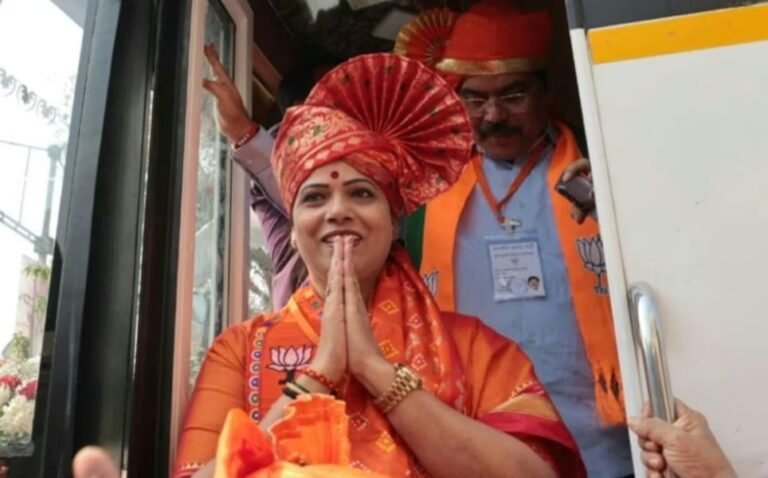
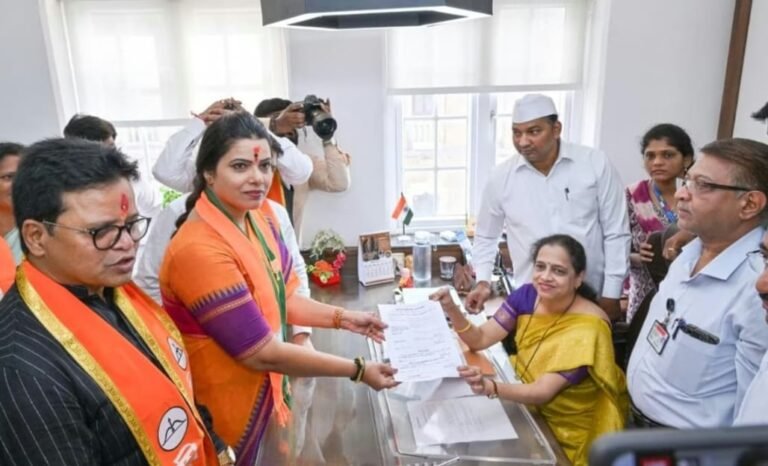
BJP Set to Install First Mumbai Mayor as Ritu Tawde Files Nomination; Shiv Sena Names Sanjay Ghadi as Deputy Mayor Candidate Mumbai | Undercover Editor News Channel, February 07, 2026 The Bharatiya Janata Party (BJP) is poised to create history in Mumbai’s civic politics by installing its first-ever Mayor, bringing an end to the Shiv Sena’s 25-year-long dominance over the Brihanmumbai Municipal Corporation (BMC). BJP corporator Ritu Tawde filed her nomination for the mayoral post on Saturday, February 7, 2026, marking a major political shift in the country’s richest civic body. The BJP’s ally in the ruling Mahayuti alliance, the Eknath Shinde-led Shiv Sena, has announced Sanjay Ghadi as its candidate for the post of Deputy Mayor. Tawde and Ghadi submitted their nomination papers at the municipal secretary’s office in the presence of senior Mahayuti leaders, including Maharashtra Minister Mangal Prabhat Lodha, BJP Mumbai president Amit Satam, former MP Rahul Shewale, and other party functionaries. Shiv Sena secretary Sanjay More confirmed that Ghadi, a corporator from Ward 5, will serve as Deputy Mayor for a period of 15 months. Party leaders said the decision to split the tenure is aimed at giving leadership opportunities to multiple corporators over the five-year term. Ghadi was earlier associated with the Shiv Sena (UBT) before joining the Eknath Shinde-led faction. The mayoral and deputy mayoral elections are scheduled for February 11, which also marks the final day for withdrawal of nominations. Ritu Tawde, a two-term corporator from Ghatkopar East (Ward 132), joined the BJP in 2012 and was elected to the BMC the same year. During her first term, she chaired the Education Committee and actively raised issues related to civic infrastructure, water supply, and public safety. In her previous tenure, Tawde drew attention for raising concerns over objectionable clothing displayed on shop mannequins, a move that sparked public debate. Addressing a press conference, BJP Mumbai chief Amit Satam said the city is set to get a BJP Mayor after a gap of 44 years. He asserted that the ruling Mahayuti alliance is committed to improving governance and rooting out corruption from the BMC. “We have the support of 118 corporators, well above the required majority. Mumbai will now have a Marathi, Malvani, Konkani, and Hindu mayor,” Satam said. In the recently concluded BMC elections, the BJP emerged as the single largest party with 89 seats, while the Shiv Sena secured 29 seats. Together, the Mahayuti alliance commands a strength of 118 corporators in the 227-member House, comfortably crossing the halfway mark of 114. The Uddhav Thackeray-led Shiv Sena (UBT), which controlled the BMC since 1997, won 65 seats, while its allies—MNS and NCP (SP)—secured six and one seat respectively. Among other parties, the Congress won 24 seats, AIMIM eight, the NCP (Ajit Pawar faction) three, and the Samajwadi Party two. Two independent candidates also registered victories in the high-stakes civic polls held after a nine-year gap. The BMC has been under the charge of a state-appointed administrator since March 7, 2022, following the expiry of the previous term. With an estimated budget of ₹74,450 crore for 2025–26, the BMC remains the wealthiest civic body in the country, making the mayoral post one of the most influential positions in urban governance.

Recent News

Undercover Editor

From BMC updates, local area developments, railway station news, and crime reports to the latest in politics, sports, Bollywood, lifestyle, travel, and education, we bring you news that’s relevant, reliable, and real-time


Undercover Editor © 2025 – Designed by iCreato