Category: Politics

Contrary to popular belief, Lorem Ipsum is not simply random text. It has roots in a piece of classical Latin literature from 45 BC, making it over 2000 years old. Richard McClintock, a Latin professor

Maharashtra Govt Orders Suspension of IAS Officer for Skipping Ministerial Meeting, Triggers Political Ripples

Maharashtra Govt Orders Suspension of IAS Officer for Skipping Ministerial Meeting, Triggers Political Ripples

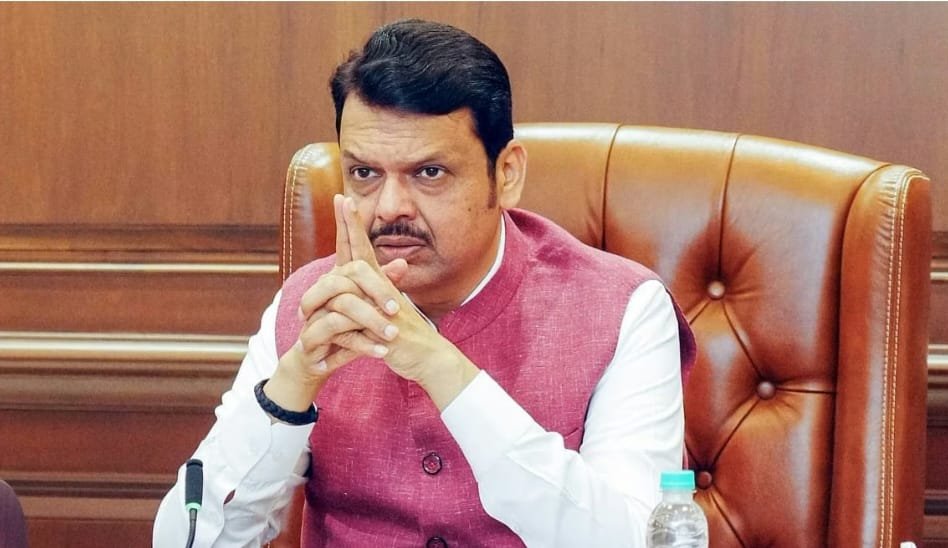
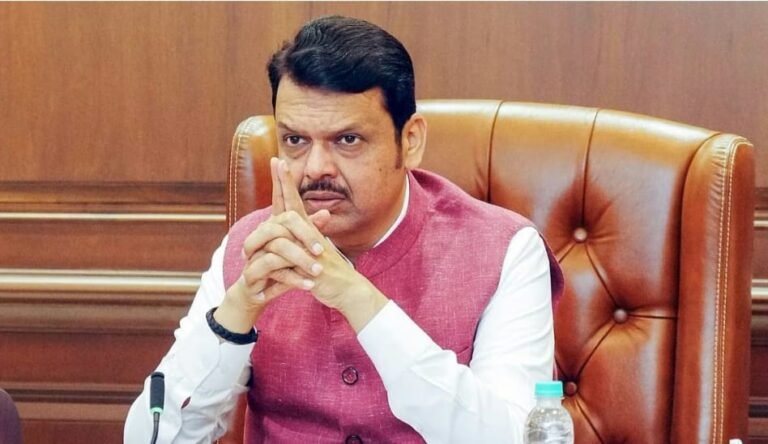
Maharashtra Govt Orders Suspension of IAS Officer for Skipping Ministerial Meeting, Triggers Political Ripples Mumbai: In a rare and contentious administrative action, the Maharashtra government has initiated suspension proceedings against a senior IAS officer for failing to attend meetings convened by the state’s Environment Minister, bringing bureaucratic accountability and political authority into sharp focus. The directive was issued by Protem Speaker Dilip Lande during a discussion in the Maharashtra Legislative Assembly on worsening pollution levels in Chandrapur district. Lande ordered action against two senior officials of the Maharashtra Pollution Control Board (MPCB) for repeatedly skipping official briefings called by Environment Minister Pankaja Munde. Officials Named in Suspension Order According to reports, the officials against whom action has been recommended are M. Devendra Singh, an IAS officer serving as Member Secretary of the MPCB, and Satish Padval, Joint Director of the board. The move is being widely described as unusual, as suspensions are rarely ordered solely for non-attendance at ministerial meetings. The issue surfaced when Minister Munde informed the House that senior MPCB officials had consistently failed to attend meetings aimed at addressing environmental degradation and industrial pollution in Chandrapur, one of Maharashtra’s most pollution-affected districts. “Gross Negligence,” Says Protem Speaker Taking strong exception to the officials’ absence, Lande termed it “gross negligence” and an affront to democratic accountability. He stated that elected representatives cannot be ignored by officials entrusted with implementing public policy. “The minister’s directions were not respected, and this reflects a serious lapse in duty towards the people of Maharashtra,” Lande said while ordering disciplinary action. Political Undercurrents Emerge The decision has also acquired political significance due to the power dynamics involved. The MPCB is chaired by Siddhesh Kadam, who belongs to the Eknath Shinde-led Shiv Sena, while the Environment Department is under BJP control. Kadam is the son of senior Shiv Sena leader Ramdas Kadam and the brother of Minister of State Yogesh Kadam. Adding pressure, BJP MLA Sudhir Mungantiwar has moved a breach of privilege motion against the MPCB for allegedly defying ministerial instructions. Final Decision with Chief Minister The suspension proposal has been forwarded to Devendra Fadnavis, who is expected to take the final call. Defending his action, Lande asserted that authority of the Chair must be respected regardless of whether the Speaker is permanent or protem. “It does not matter that I was the protem speaker. I was presiding over the House, and action was necessary when ministerial directions were ignored,” he said. As the file awaits the Chief Minister’s decision, the episode has sparked debate across administrative and political circles, raising broader questions about bureaucratic discipline, ministerial authority and the balance of power within Maharashtra’s coalition government.  
Congress Criticises PM Modi’s Knesset Address, Says Speech ‘Diminished India’s Moral Standing’

Congress Criticises PM Modi’s Knesset Address, Says Speech ‘Diminished India’s Moral Standing’

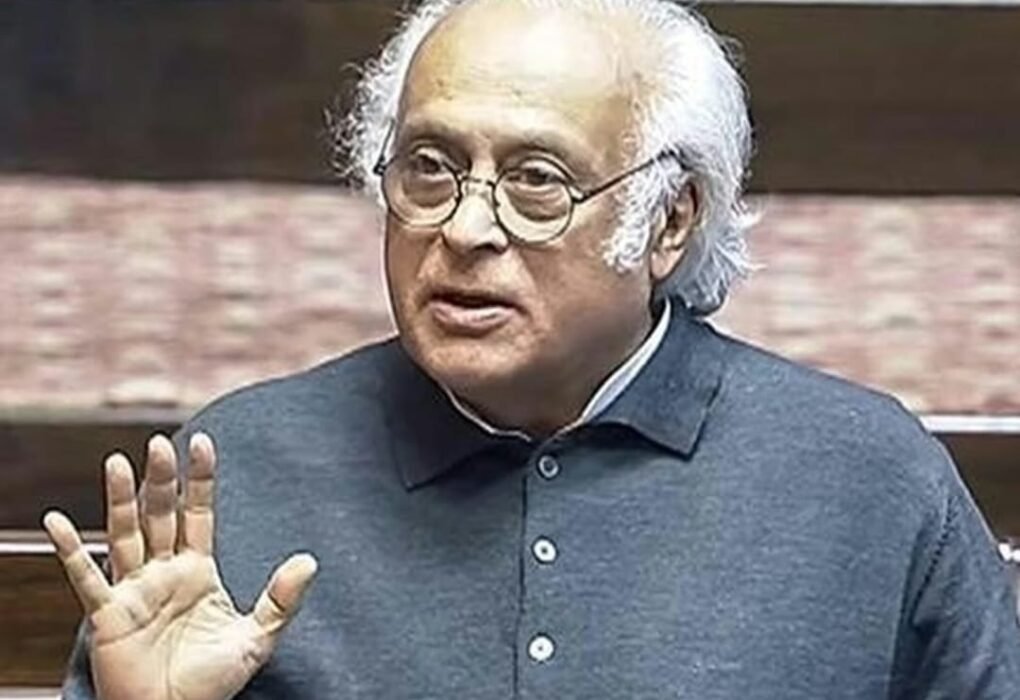
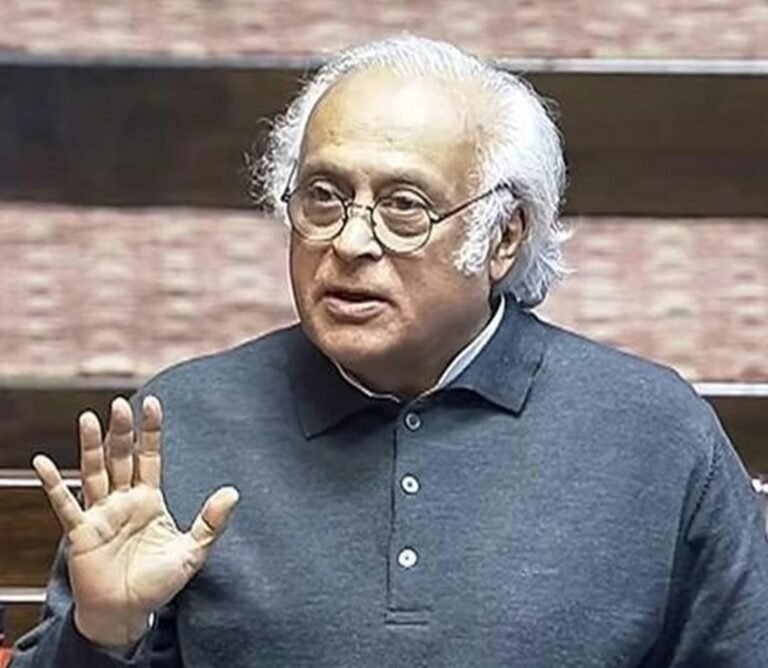
ACongress Criticises PM Modi’s Knesset Address, Says Speech ‘Diminished India’s Moral Standing’ Opposition Cites Nehru’s 1947 Letter to Einstein on Israel-Palestine Issue New Delhi: The Indian National Congress on Thursday sharply criticised Prime Minister Narendra Modi for his recent address to the Knesset, describing the speech as an “unabashed defence” of Israeli Prime Minister Benjamin Netanyahu and alleging that it had “diminished India’s moral standing” on the global stage. Addressing the Israeli Parliament on February 25, Mr. Modi expressed solidarity with Israel and strongly condemned terrorism, referring to the October 7, 2023 attack by Hamas. He stated that “terrorism anywhere threatens peace everywhere” and conveyed condolences on behalf of the Indian people for lives lost in the attack. The Prime Minister emphasised that no cause can justify the killing of civilians and reiterated India’s firm stand against terrorism. Congress Response Reacting to the speech, Congress general secretary (communications) Jairam Ramesh said the Prime Minister’s remarks marked a departure from India’s historically balanced approach to the Israel-Palestine issue. In a statement posted on social media platform X, Mr. Ramesh recalled that India recognised Israel on the day Mr. Modi was born but argued that India’s foreign policy legacy was rooted in a more nuanced position. He cited a July 11, 1947 letter written by India’s first Prime Minister Jawaharlal Nehru in response to a communication from renowned physicist Albert Einstein regarding the creation of Israel. Quoting from Nehru’s letter, Mr. Ramesh highlighted that while Nehru expressed sympathy for Jewish aspirations, he also acknowledged the concerns of Arab populations and emphasised the need for a just and mutually agreeable solution. Nehru had written that the issue had become “one of high emotion and deep passion on both sides” and warned that approaches compelling one side against its will would only prolong conflict. Historical Context Raised Mr. Ramesh also noted that Nehru and Einstein later met in Princeton in 1949 and exchanged correspondence on global peace and nuclear disarmament in the years that followed. He argued that India’s traditional foreign policy stance was guided by principles of non-alignment, dialogue, and balanced engagement. In a separate post, the Congress leader referred to criticism of the Prime Minister’s speech by Israeli human rights lawyer Eitay Mack, who reportedly questioned the tone and implications of the address. Political Debate Over Foreign Policy The BJP has not formally responded to the Congress criticism at the time of publication. Political observers note that India’s relationship with Israel has significantly expanded over the past decade, particularly in defence, agriculture, and technology cooperation. India has historically supported a two-state solution to the Israel-Palestine conflict while also strengthening strategic ties with Israel. The latest exchange underscores the continuing domestic political debate over the direction and tone of India’s foreign policy engagements.
Political Clash in Pune After Shivaji–Tipu Comparison; 9 Injured in Stone Pelting

Political Clash in Pune After Shivaji–Tipu Comparison; 9 Injured in Stone Pelting

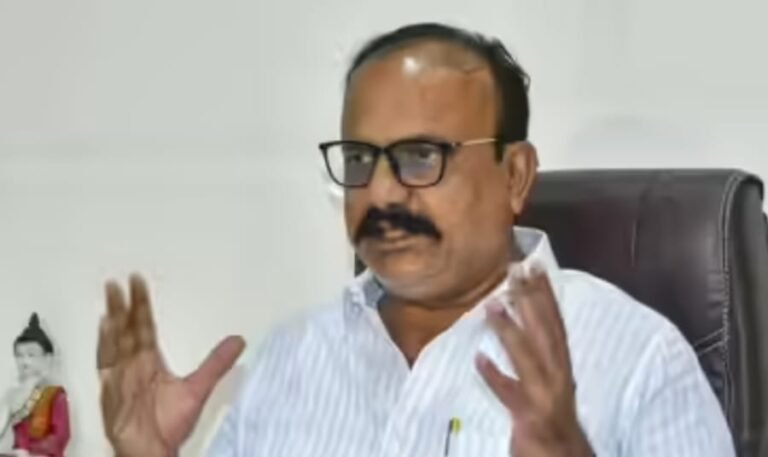
Political Clash in Pune After Shivaji–Tipu Comparison; 9 Injured in Stone Pelting Harshwardhan Sapkal Pune | New Delhi At least nine people, including police personnel and journalists, were injured on Sunday after clashes broke out between workers of the Bharatiya Janata Party (BJP) and the Indian National Congress in Pune, following controversial remarks by Maharashtra Congress chief Harshwardhan Sapkal comparing Chhatrapati Shivaji Maharaj with Tipu Sultan. The violence erupted near the Congress Bhavan, where BJP workers had gathered to protest Sapkal’s comments. What began as sloganeering soon escalated into stone pelting from both sides, forcing police to intervene and deploy heavy security to prevent further escalation. Joint Commissioner of Police Ranjan Kumar Sharma confirmed that three Congress workers, two BJP workers, two police personnel, and two journalists sustained injuries. “Workers from both parties climbed onto walls and engaged in stone pelting. Cases are being registered against members of both sides,” Sharma said. What Sparked the Row The confrontation followed Sapkal’s remarks in which he praised the bravery of Chhatrapati Shivaji Maharaj and stated that Tipu Sultan, inspired by similar ideals of resistance, fought against British rule. Sapkal said that in terms of valour and opposition to colonial forces, Tipu Sultan should be viewed on par with Shivaji Maharaj. The comments triggered strong backlash from BJP leaders and Hindu groups, who accused the Congress of equating a revered Maratha king with a controversial historical figure, calling the comparison unacceptable. Political Fallout Intensifies BJP Pune city unit president Dheeraj Ghate filed a complaint against Sapkal at Parvati police station, alleging that the remarks hurt Hindu sentiments. Police confirmed that an FIR has been registered. Meanwhile, Pune city Congress chief Arvind Shinde submitted a written complaint against BJP leaders, including the city mayor, accusing them of provoking violence. Maharashtra Congress vice-president Mohan Joshi alleged that BJP workers initiated the stone pelting, claiming that Congress supporters were injured during the protest. Deputy Commissioner of Police Krishikesh Rawale said police acted swiftly to bring the situation under control and prevent further violence. Wider Political Context The controversy comes amid heightened political sensitivity around historical narratives in Maharashtra. A day earlier, a separate dispute had erupted in Malegaon over the display of Tipu Sultan’s portrait in a municipal office, drawing protests from Shiv Sena corporators and Hindu organisations. Adding to the political exchange, Congress leader Sachin Sawant accused the BJP of “double standards,” alleging that BJP leaders had earlier supported references to Tipu Sultan in civic resolutions and public spaces. He claimed the BJP was now using the issue to polarise voters ahead of upcoming political battles. Situation Under Control, Tensions Remain While the immediate situation in Pune has been brought under control, the incident underscores rising political tensions and the volatility surrounding historical figures in contemporary politics. Authorities have increased police presence in sensitive areas as investigations continue.
Mayor Talks Tough on Illegal Infiltrators — But Who Actually Identifies and Deports Them in Mumbai?

Mayor Talks Tough on Illegal Infiltrators — But Who Actually Identifies and Deports Them in Mumbai?

Mayor Talks Tough on Illegal Infiltrators — But Who Actually Identifies and Deports Them in Mumbai? Mumbai | Undercover Editor News Channel, February 12, 2026 Mumbai: After newly appointed Mumbai Mayor Ritu Tawde announced a crackdown on “illegal Bangladeshi hawkers and infiltrators,” public debate has intensified over who actually has the authority to identify and deport illegal foreign nationals from the city. While the Mayor’s remarks have drawn political attention, senior police officials clarify that deportation of illegal immigrants is strictly a law enforcement and central government function — not a civic one. Who Has the Authority? The identification, detention and deportation of illegal Bangladeshi nationals are handled by the Mumbai Police in coordination with the State Special Branch, the Union Ministry of Home Affairs, and the Border Security Force (BSF). Officials underline that the Mayor or the Brihanmumbai Municipal Corporation (BMC) has no legal power to determine nationality, verify passports, or deport individuals. The civic body can only act against illegal hawking, encroachments, and violations under municipal laws. “Nationality verification and deportation are governed by central laws and handled through established legal procedures,” a senior officer said. Deportation Numbers See Sharp Rise Mumbai Police data reveals that 1,061 illegal Bangladeshi nationals were deported in 2025 across 401 cases — the highest number recorded in a single year. In comparison: Police attribute the spike in 2025 to directions from the Union government asking states to accelerate deportation proceedings. How Police Identify Illegal Immigrants The identification process typically begins during routine verification drives or based on specific intelligence inputs, particularly in areas with dense informal settlements. In many cases, suspects do not possess valid physical documents. Officials say documents are often destroyed, leaving only digital traces on mobile phones. Investigators examine mobile devices for: In some cases, officers conduct video calls to individuals in Bangladesh — including family members or local representatives — to verify identity. Confirmation is made only after multiple cross-checks and verification procedures. What Happens After Confirmation? Once authorities establish that a person has entered India illegally or overstayed a visa, the deportation process begins. Police officials note that criminal cases are not registered in every instance, as court proceedings can delay deportation. If the individual has not committed additional crimes, authorities complete legal documentation and initiate removal. However, if the person is linked to other offences, separate criminal charges are filed. The Deportation Process After documentation is completed, detainees are transported — usually by train — to the Indo-Bangladesh border and handed over to the BSF. In large-scale operations, special flights have also been used. In August last year, 112 illegal Bangladeshi nationals from Mumbai and nearby areas were deported together in a coordinated operation via the Assam-Bangladesh border. What the Mayor’s Statement Means Mayor Tawde recently stated that illegal hawkers occupying footpaths were affecting pedestrian movement and civic planning. She indicated that removal of such encroachments would be a priority in discussions with the Municipal Commissioner. Police officials interpret the remarks as a civic and political position focused on encroachment removal rather than direct intervention in deportation processes. Authorities emphasize that deportation procedures follow a fixed legal framework and continue based on police investigations and central government directives — independent of political statements. This issue highlights the distinction between civic governance and national security enforcement, as Mumbai navigates concerns over illegal immigration, urban encroachments, and public order within the framework of law.
Ritu Tawde to Take Charge as Mumbai’s 8th Woman Mayor

Ritu Tawde to Take Charge as Mumbai’s 8th Woman Mayor

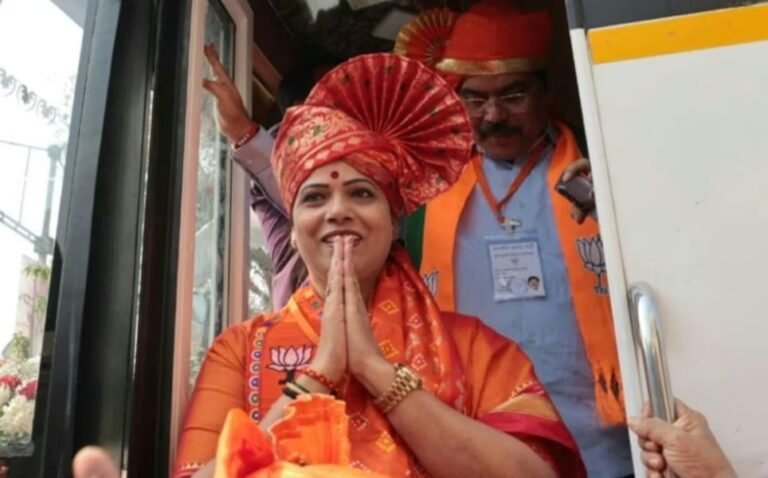
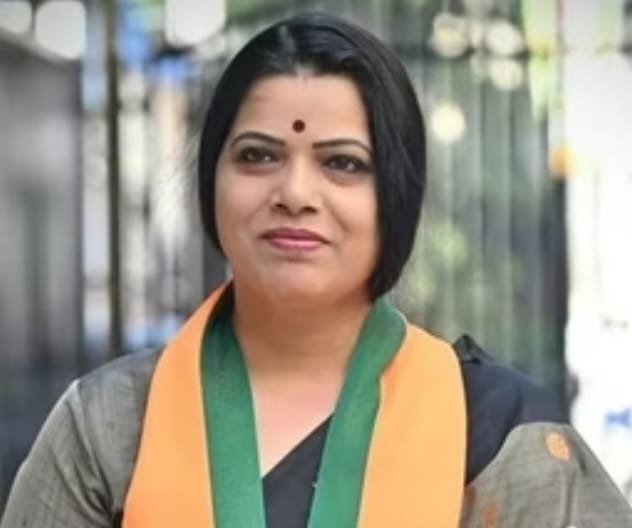
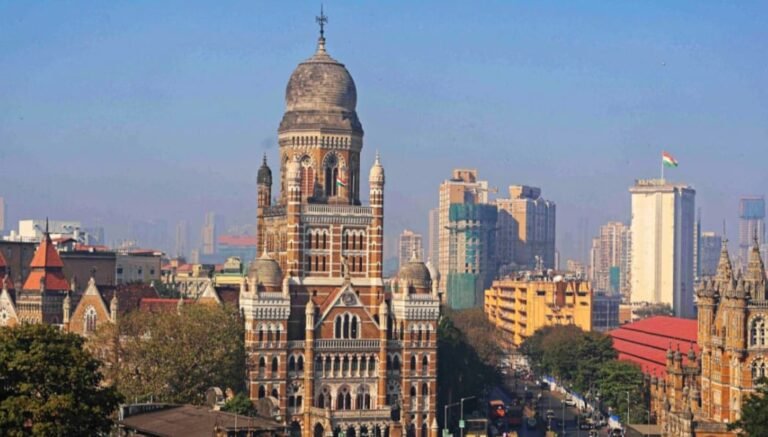
Ritu Tawde to Take Charge as Mumbai’s 8th Woman Mayor Mumbai | Undercover Editor News Channel, February 10, 2026 Mumbai: BJP corporator Ritu Tawde is poised to assume office as Mumbai’s next mayor after being elected unopposed in the Brihanmumbai Municipal Corporation (BMC), marking a historic shift in the city’s civic power structure. Her formal election, scheduled for Wednesday at noon, will make her Mumbai’s eighth woman mayor and bring an end to the Shiv Sena’s uninterrupted 25-year control of the mayoral post. Tawde’s elevation also marks the Bharatiya Janata Party’s return to the mayor’s office after more than 40 years—the last BJP mayor in Mumbai being Prabhakar Pai, who served during 1982–83. The development reflects the growing dominance of the Mahayuti alliance in the country’s richest civic body. The unopposed victory followed the decision of the Uddhav Thackeray-led Shiv Sena (UBT) not to field a candidate against Tawde. The move reportedly came after internal deliberations at party chief Uddhav Thackeray’s residence, acknowledging the numerical strength of the ruling alliance in the 227-member corporation. Former mayor and Sena (UBT) leader Kishori Pednekar said the decision was taken while respecting Marathi identity and the prevailing political arithmetic in the BMC. Alliance Power Consolidation Under the Mahayuti arrangement, the deputy mayor’s post will go to Sanjay Ghadi of the Eknath Shinde-led Shiv Sena. Ghadi, a corporator from Ward No. 5, will serve a 15-month tenure, after which the position will be rotated to give opportunities to other corporators within the alliance. The mayor’s term will be for two and a half years. Ritu Tawde, 53, filed her nomination at the municipal secretary’s office in the presence of senior Mahayuti leaders, including Minister Mangal Prabhat Lodha and BJP Mumbai unit chief Ameet Satam. Speaking to reporters, Tawde struck a humble note, stating that she would function as a “sevak of Mumbai” rather than merely occupying a ceremonial post. “My priority will be the safety, development and quality of life of Mumbai’s citizens. I see this responsibility as service, not power,” she said. Civic Experience and Political Journey A two-time corporator from Ghatkopar East, Tawde was first elected in 2012 and went on to chair the BMC’s Education Committee, where she raised several issues related to infrastructure, civic amenities and public safety. Though she lost the 2017 civic elections, she made a comeback in the latest polls, securing 19,810 votes from her ward. BJP leaders have underscored the symbolic significance of her election. Ameet Satam said the Mahayuti government is committed to a corruption-free civic administration. “The BMC must be freed from corruption that flourished under previous regimes. Ritu Tawde will lead Mumbai on the path of transparent and accountable governance,” Satam said, adding that the alliance had fulfilled its campaign promise of appointing a Marathi and Hindu mayor. Political Reactions and Opposition Criticism While the ruling alliance celebrated the smooth and uncontested outcome, opposition voices raised objections. The NCP (Sharad Pawar faction) criticised the BJP’s choice, pointing out that Tawde was previously associated with the Congress. NCP (SP) spokesperson Clyde Crasto said the decision had demoralised long-time BJP corporators. “By selecting a former Congress leader as mayor, the BJP has overlooked loyal party workers who have dedicated years of service,” he said. BMC: Symbolism and Scale Though the mayor’s post in Mumbai is largely ceremonial, it carries immense political and symbolic significance in a city where civic administration and identity politics often intersect. The BMC has been under a state-appointed administrator since March 2022 following the expiry of the previous term. With a budget of ₹74,450 crore for 2025–26—larger than the budgets of several Indian states—the BMC remains India’s most powerful municipal body. The mayor’s post was reserved for a woman from the open category following a lottery draw last month. While Tawde and Sion corporator Rajeshree Shirwadkar were considered potential candidates, the Mahayuti kept its decision confidential until the final day, ensuring an uncontested election. No opposition nominations were filed before the February 11 withdrawal deadline. A New Chapter for Mumbai Ritu Tawde’s unopposed election not only signals the BJP’s return to the mayoral office after four decades but also cements the Mahayuti alliance’s firm grip on Mumbai’s civic politics. As the city prepares for a transition after nearly three decades of Shiv Sena dominance, Tawde’s tenure is being closely watched for how effectively symbolic leadership translates into tangible civic outcomes. “I will work as a servant of Mumbai, not as its ruler,” Tawde reiterated, signalling the tone she intends to set as the city enters a new phase of municipal governance.
BJP Set to Install First Mumbai Mayor as Ritu Tawde Files Nomination; Shiv Sena Names Sanjay Ghadi as Deputy Mayor Candidate

BJP Set to Install First Mumbai Mayor as Ritu Tawde Files Nomination; Shiv Sena Names Sanjay Ghadi as Deputy Mayor Candidate

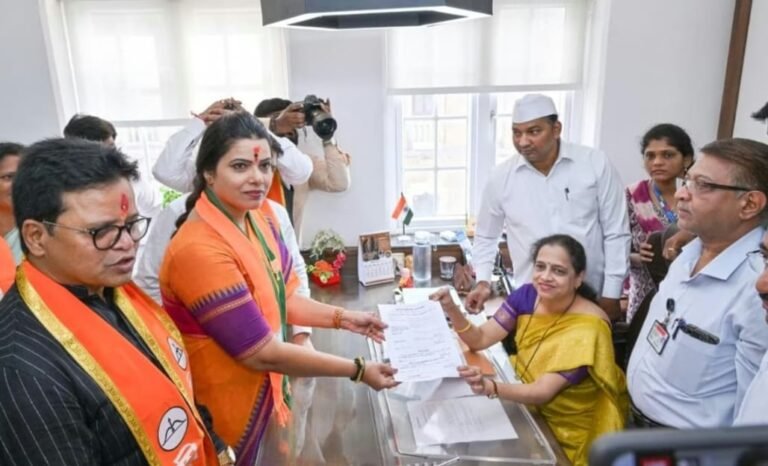
BJP Set to Install First Mumbai Mayor as Ritu Tawde Files Nomination; Shiv Sena Names Sanjay Ghadi as Deputy Mayor Candidate Mumbai | Undercover Editor News Channel, February 07, 2026 The Bharatiya Janata Party (BJP) is poised to create history in Mumbai’s civic politics by installing its first-ever Mayor, bringing an end to the Shiv Sena’s 25-year-long dominance over the Brihanmumbai Municipal Corporation (BMC). BJP corporator Ritu Tawde filed her nomination for the mayoral post on Saturday, February 7, 2026, marking a major political shift in the country’s richest civic body. The BJP’s ally in the ruling Mahayuti alliance, the Eknath Shinde-led Shiv Sena, has announced Sanjay Ghadi as its candidate for the post of Deputy Mayor. Tawde and Ghadi submitted their nomination papers at the municipal secretary’s office in the presence of senior Mahayuti leaders, including Maharashtra Minister Mangal Prabhat Lodha, BJP Mumbai president Amit Satam, former MP Rahul Shewale, and other party functionaries. Shiv Sena secretary Sanjay More confirmed that Ghadi, a corporator from Ward 5, will serve as Deputy Mayor for a period of 15 months. Party leaders said the decision to split the tenure is aimed at giving leadership opportunities to multiple corporators over the five-year term. Ghadi was earlier associated with the Shiv Sena (UBT) before joining the Eknath Shinde-led faction. The mayoral and deputy mayoral elections are scheduled for February 11, which also marks the final day for withdrawal of nominations. Ritu Tawde, a two-term corporator from Ghatkopar East (Ward 132), joined the BJP in 2012 and was elected to the BMC the same year. During her first term, she chaired the Education Committee and actively raised issues related to civic infrastructure, water supply, and public safety. In her previous tenure, Tawde drew attention for raising concerns over objectionable clothing displayed on shop mannequins, a move that sparked public debate. Addressing a press conference, BJP Mumbai chief Amit Satam said the city is set to get a BJP Mayor after a gap of 44 years. He asserted that the ruling Mahayuti alliance is committed to improving governance and rooting out corruption from the BMC. “We have the support of 118 corporators, well above the required majority. Mumbai will now have a Marathi, Malvani, Konkani, and Hindu mayor,” Satam said. In the recently concluded BMC elections, the BJP emerged as the single largest party with 89 seats, while the Shiv Sena secured 29 seats. Together, the Mahayuti alliance commands a strength of 118 corporators in the 227-member House, comfortably crossing the halfway mark of 114. The Uddhav Thackeray-led Shiv Sena (UBT), which controlled the BMC since 1997, won 65 seats, while its allies—MNS and NCP (SP)—secured six and one seat respectively. Among other parties, the Congress won 24 seats, AIMIM eight, the NCP (Ajit Pawar faction) three, and the Samajwadi Party two. Two independent candidates also registered victories in the high-stakes civic polls held after a nine-year gap. The BMC has been under the charge of a state-appointed administrator since March 7, 2022, following the expiry of the previous term. With an estimated budget of ₹74,450 crore for 2025–26, the BMC remains the wealthiest civic body in the country, making the mayoral post one of the most influential positions in urban governance.

Punjab AAP Leader Shot Dead Outside Gurdwara in Jalandhar; Police Launch Manhunt

Punjab AAP Leader Shot Dead Outside Gurdwara in Jalandhar; Police Launch Manhunt

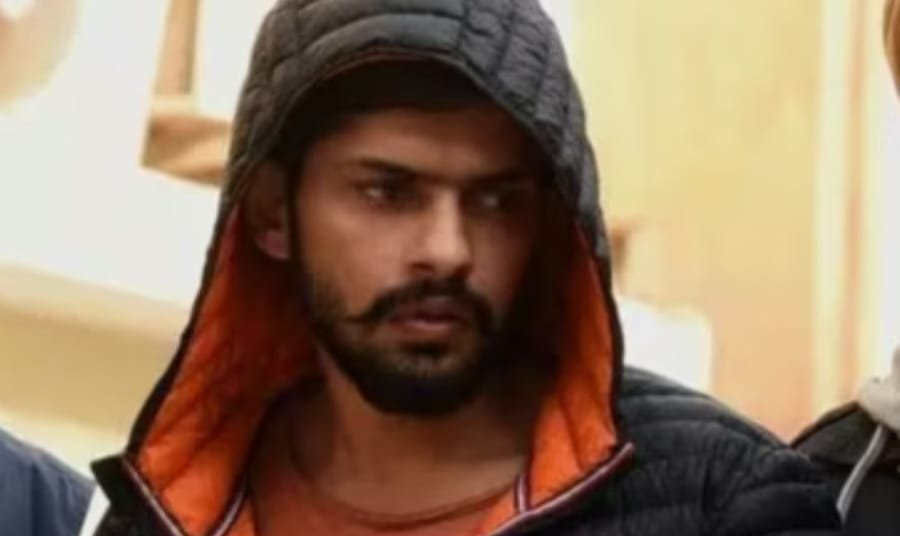
Punjab AAP Leader Shot Dead Outside Gurdwara in Jalandhar; Police Launch Manhunt Jalandhar | Undercover Editor News Channel Jalandhar: In a shocking incident that has raised serious security concerns, Aam Aadmi Party (AAP) leader Lucky Oberoi was shot dead in broad daylight outside a gurdwara in Punjab’s Jalandhar city on Friday. The attack took place in the crowded Model Town area, sending shockwaves across the region. According to police officials, Oberoi was sitting inside his car when two unidentified bike-borne assailants opened fire on him near a Gurdwara Sahib. At least five bullets struck him, leaving him critically injured. He was immediately rushed to a private hospital, where doctors declared him brought dead. Eyewitnesses reported panic at the scene as the firing occurred during peak daytime hours. Soon after the incident, multiple police teams reached the spot, cordoned off the area, and began a detailed investigation. CCTV footage from nearby locations is being examined to identify the attackers and trace their escape route. Senior police officials said the motive behind the killing is yet to be ascertained. Investigators are questioning witnesses and probing possible political or personal angles linked to the murder. The incident has triggered fear among local residents, prompting authorities to step up security in and around Model Town and other sensitive areas of Jalandhar. Party sources said Lucky Oberoi was a well-known local AAP leader and had close links with the party’s Cantt constituency leadership. His wife had previously contested municipal elections on an AAP ticket. Police have assured that all leads are being pursued and that those responsible will be brought to justice. Further details are expected to emerge as the investigation progresses.
BMC’s Nominated Corporators: Selection Process, Eligibility and Role Explained

BMC’s Nominated Corporators: Selection Process, Eligibility and Role Explained

BMC’s Nominated Corporators: Selection Process, Eligibility and Role Explained Mumbai | Undercover Editor News Channel, February 03, 2026 Mumbai’s civic governance is set to see the induction of 10 nominated corporators into the Brihanmumbai Municipal Corporation (BMC), in addition to the 227 elected members, following the election of the city’s Mayor. These nominated members play a distinct advisory role in the civic body, bringing experience and subject expertise into municipal decision-making. Who are nominated corporators? Nominated corporators are senior party members or domain experts appointed by political parties based on their performance in the BMC elections. Unlike elected corporators, they do not contest polls but are inducted to strengthen the quality of debate and policymaking within the civic council. The provision for nominated corporators was first introduced in 1994, through an amendment to the Mumbai Municipal Corporation (MMC) Act. Increase in number Until recently, Maharashtra civic bodies were allowed a maximum of five nominated corporators. However, in 2023, the State Urban Development Department increased this number to 10, expanding expert participation in large municipal corporations like the BMC. Party-wise distribution For the upcoming BMC term: The allocation is done proportionately based on the number of seats won by each party in the municipal elections. A party must win at least five seats to qualify for a nominated corporator, and generally, one nomination is granted for every 20 elected corporators. Eligibility criteria Since nominated corporators are not elected, they must meet strict eligibility norms laid down by the state government. Eligible individuals include: The objective is to utilise their technical knowledge and administrative experience to improve governance. Powers and limitations Nominated corporators: However, they do not have voting rights, which limits their participation in key statutory committees such as the Standing Committee or Improvements Committee, where policies are approved through voting. Development funds If a nominated corporator wishes to carry out development work in a ward, they must obtain a No Objection Certificate (NOC) from the elected corporator of that ward. Why nominated corporators matter Former nominated corporators say their role is crucial in scrutinising policies, identifying gaps, and offering corrective suggestions before decisions are finalised. Their experience often helps improve governance outcomes, even though they do not influence final voting. As Mumbai’s civic administration enters a new term, nominated corporators are expected to act as knowledge contributors and policy watchdogs, ensuring informed decision-making in India’s richest municipal corporation.
Parliament Budget Session 2026: Lok Sabha Erupts Over Rahul Gandhi’s Reference to Former Army Chief’s Memoir

Parliament Budget Session 2026: Lok Sabha Erupts Over Rahul Gandhi’s Reference to Former Army Chief’s Memoir

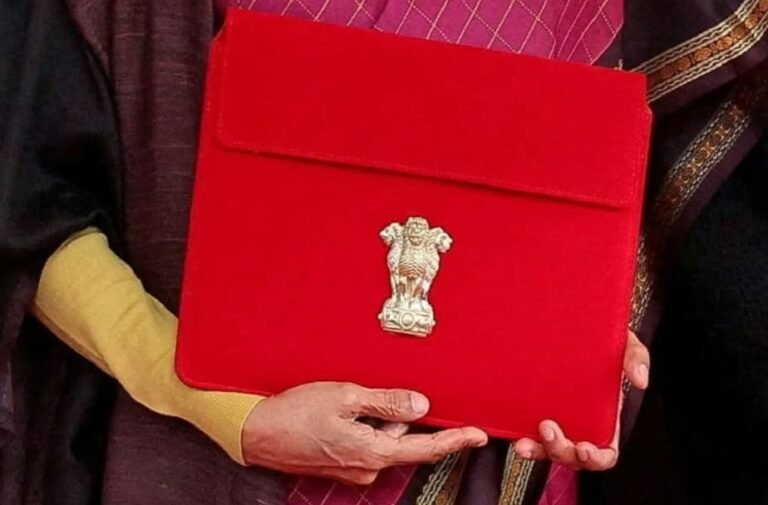
Parliament Budget Session 2026: Lok Sabha Erupts Over Rahul Gandhi’s Reference to Former Army Chief’s Memoir New Delhi: The Budget Session of Parliament witnessed intense political confrontation on Sunday as the Lok Sabha was disrupted following remarks made by Leader of Opposition Rahul Gandhi, who quoted from an unpublished memoir of former Army Chief General Manoj Mukund Naravane during a debate on the Motion of Thanks to the President’s Address. The remarks triggered sharp objections from the Treasury benches, with Defence Minister Rajnath Singh and Home Minister Amit Shah questioning the credibility and propriety of citing material that is not in the public domain. The House saw repeated interruptions, forcing the Speaker to intervene as members from both sides raised slogans. Government Pushback on ‘Unverified’ Reference Rajnath Singh strongly objected to the reference, stating that quoting from an unpublished book was inappropriate and misleading. He stressed that Parliament must rely on verified and publicly available information, especially when matters related to national security and the armed forces are involved. Amit Shah echoed the concerns, asserting that speculative or unverified content should not be used to frame narratives in the House. He accused the Opposition of politicising sensitive military matters. Rahul Gandhi, however, maintained that his remarks were based on media reports referring to General Naravane’s observations and argued that the government was attempting to silence dissent during a crucial debate. Budget 2026 Presented Amid Turmoil The uproar came on the same day Finance Minister Nirmala Sitharaman presented the Union Budget 2026–27, outlining the government’s roadmap for fiscal consolidation, increased capital expenditure, infrastructure expansion, and investment in future-ready sectors such as technology, green energy, and manufacturing. Despite disruptions, the government reiterated its commitment to economic growth, projecting a steady GDP expansion while navigating global uncertainties, including geopolitical tensions and trade disruptions. Key Developments in Parliament Proceedings Continue The Lok Sabha is scheduled to reconvene with nearly 18 hours allotted for discussion on the President’s Address. However, continued political friction suggests further disruptions as the Budget Session progresses.
Sunetra Pawar Arrives in Mumbai, Set to Become Maharashtra’s First Woman Deputy Chief Minister

Sunetra Pawar Arrives in Mumbai, Set to Become Maharashtra’s First Woman Deputy Chief Minister

Sunetra Pawar Arrives in Mumbai, Set to Become Maharashtra’s First Woman Deputy Chief Minister Mumbai | Undercover Editor News Channel, January 31, 2026 Rajya Sabha member and senior Nationalist Congress Party (NCP) leader Sunetra Pawar arrived in Mumbai early Saturday morning, paving the way for her elevation as Maharashtra’s first woman Deputy Chief Minister, following the untimely death of her husband and NCP chief Ajit Pawar in a tragic plane crash earlier this week. Ms. Pawar reached her late husband’s official residence, Devgiri, in south Mumbai in the early hours, accompanied by her son Parth Pawar. Her arrival marks a significant moment in Maharashtra’s political history, both symbolically and politically. According to senior NCP leader and State minister Chhagan Bhujbal, the party’s legislature wing will convene a meeting at Vidhan Bhavan around 2 pm on Saturday, where Sunetra Pawar is expected to be unanimously named as the party’s legislative leader. A low-key oath-taking ceremony is scheduled later in the evening at Lok Bhavan. The NCP currently has 40 MLAs, all of whom are expected to back the decision. Once sworn in, Ms. Pawar will become the first woman to hold the post of Deputy Chief Minister in Maharashtra, a milestone for the state. Political Transition After Tragedy Sunetra Pawar, 62, is presently a Rajya Sabha MP and is not a member of either House of the Maharashtra Legislature. Sources within the party indicate that a future political adjustment may see her son Parth Pawar stepping into her Rajya Sabha role, though no formal announcement has been made. Her elevation comes days after Ajit Pawar’s death in a fatal aircraft crash in Baramati, an incident that has left a deep void in Maharashtra politics. Ajit Pawar was one of the most influential leaders in the state, having served as Deputy Chief Minister five times. Reacting to the development, Chief Minister Devendra Fadnavis said the BJP would stand by the NCP’s decision. “The NCP will take whatever decision it deems appropriate for the post of Deputy Chief Minister, and we will support it. We stand firmly with Ajit Dada’s family and the party during this difficult time,” Fadnavis said. Mixed Reactions Within the Political Spectrum NCP (SP) chief Sharad Pawar stated that he was not consulted regarding the appointment and expressed surprise over the speed of the decision. “It is the party’s decision. I do not have clarity on the reasons behind the hasty appointment,” he remarked. Sunetra Pawar first came into the political spotlight during the 2024 Lok Sabha elections, when she contested from Baramati against her sister-in-law and sitting MP Supriya Sule. Though she lost that contest, she later entered Parliament through the Rajya Sabha. As Maharashtra prepares for this historic transition, all eyes are now on Saturday’s party meeting and the formal swearing-in that will officially place Sunetra Pawar at the helm of the state’s executive leadership.  

Recent News

Undercover Editor

From BMC updates, local area developments, railway station news, and crime reports to the latest in politics, sports, Bollywood, lifestyle, travel, and education, we bring you news that’s relevant, reliable, and real-time


Undercover Editor © 2025 – Designed by iCreato