लेखक: Mahesh Rathod

Contrary to popular belief, Lorem Ipsum is not simply random text. It has roots in a piece of classical Latin literature from 45 BC, making it over 2000 years old. Richard McClintock, a Latin professor

Maharashtra’s ‘Aai’ Tourism Policy Empowers Women Entrepreneurs; ₹72 Crore Loans Sanctioned to Over 900 Beneficiaries

Maharashtra’s ‘Aai’ Tourism Policy Empowers Women Entrepreneurs; ₹72 Crore Loans Sanctioned to Over 900 Beneficiaries

Maharashtra’s ‘Aai’ Tourism Policy Empowers Women Entrepreneurs; ₹72 Crore Loans Sanctioned to Over 900 Beneficiaries Mumbai: Maharashtra’s initiative to promote women-led tourism businesses is gaining strong momentum, as more than 900 women entrepreneurs have secured loans worth ₹72.49 crore under the state’s ‘Aai’ tourism policy. The scheme, introduced by the Government of Maharashtra, aims to increase women’s participation in the tourism sector by encouraging them to start and manage businesses ranging from homestays and agro-tourism projects to cafés and travel services. Officials confirmed that the policy has received an overwhelming response across the state, with over 4,200 applications submitted so far. Out of these, 3,292 letters of intent have already been issued, indicating strong interest among women looking to establish tourism-related ventures. The policy offers interest-free loans of up to ₹15 lakh to women entrepreneurs along with an interest reimbursement facility for up to seven years. So far, the state government has released ₹1.67 crore towards interest reimbursement for beneficiaries. According to officials, the scheme has received the highest response from the Konkan, Pune, Chhatrapati Sambhaji Nagar, and Nashik regions, which are already known for attracting large numbers of tourists and offer strong potential for small-scale tourism enterprises. The ‘Aai’ tourism policy is built around five key pillars. These include promoting women’s entrepreneurship in tourism, creating women-friendly tourism infrastructure, enhancing safety for women travellers, offering special services and concessions for women tourists, and expanding tourism growth across the state. Under the scheme, up to 10 women-led tourism enterprises in each taluka can receive financial assistance. The interest subsidy — capped at 12 percent and up to ₹4.5 lakh — is transferred directly to the beneficiary’s Aadhaar-linked bank account for a maximum of seven years or until the loan is fully repaid. To qualify for the benefits, the tourism venture must be owned and operated by a woman and registered with the state Directorate of Tourism. For tour and travel agencies, at least 50 percent of the workforce must be women. Beyond financial assistance, the policy also focuses on improving safety and inclusivity for women travellers. Women working in tourism businesses — including tour guides, drivers, and tour operators — will be covered under government insurance schemes, with the state paying the premium for the first five years. Women tourists will also benefit from special incentives. The Maharashtra Tourism Development Corporation will offer 20 percent discounts on selected tourism circuits. Additionally, women will receive 50 percent discounts on online bookings at MTDC resorts on 23 specific days each year, including 1–8 March to mark International Women’s Day. The policy also introduces special travel packages exclusively for women, including women-only city tours, adventure trips, trekking expeditions, and travel packages designed for senior women citizens and women with disabilities. To support women’s self-help groups, the initiative will also provide stalls at MTDC properties where they can sell handicrafts, local artwork, and food products. Additional facilities such as childcare services for travellers with young children and rooms located closer to lifts for elderly or differently-abled women are also part of the plan. Speaking about the initiative, Maharashtra’s Tourism Minister Shambhuraj Desai said the policy goes beyond financial incentives. He stated that women in tourism are now stepping forward not only as participants but also as entrepreneurs creating new employment opportunities, which will strengthen both rural and urban tourism economies. Principal Secretary (Tourism) Sanjay Khandare added that the scheme is helping bring financial empowerment to women while encouraging more women to travel and participate in tourism activities. Tourism Director B. N. Patil noted that the initiative is expected to accelerate growth in the sector by expanding women-led enterprises across the tourism value chain. Officials believe the ‘Aai’ tourism policy could significantly reshape the state’s tourism ecosystem by bringing more women into leadership roles — from managing homestays in scenic rural destinations to running travel services in urban hubs — while also making Maharashtra a safer and more welcoming destination for women travellers.

₹262 Crore Recovered! Massive Crackdown on Ticketless Travel Across Mumbai Local Trains

₹262 Crore Recovered! Massive Crackdown on Ticketless Travel Across Mumbai Local Trains

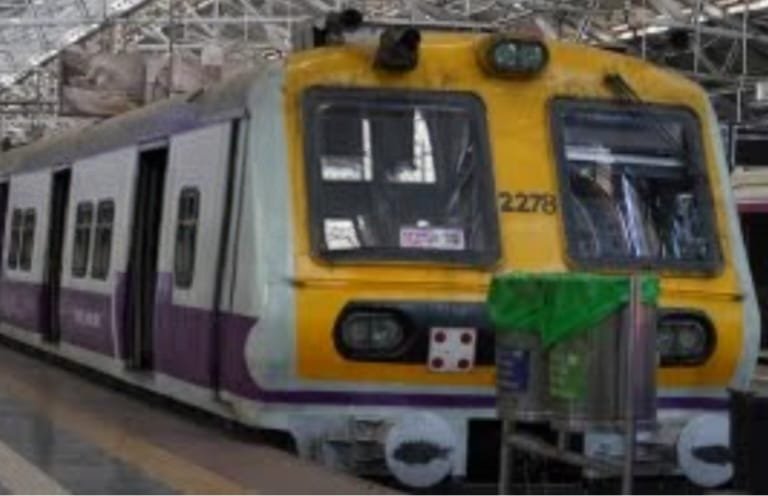
₹262 Crore Recovered! Massive Crackdown on Ticketless Travel Across Mumbai Local Trains Mumbai | Undercover Editor News Channel, March 08, 2026 Mumbai: Railway authorities have recovered nearly ₹262 crore in penalties from ticketless and irregular passengers across Mumbai’s suburban railway network during the current financial year, following a series of intensified enforcement drives. The large amount has been collected through systematic ticket-checking operations conducted by officials from both Central Railway and Western Railway across the busy local train network in Mumbai. Railway officials confirmed that a portion of these fines came from passengers travelling in air-conditioned (AC) local trains without valid tickets. Over the past year, authorities recovered approximately ₹7 crore in penalties from commuters who entered AC coaches using general-class tickets. Surprise inspection drives were carried out on AC suburban services to curb such violations. In the Mumbai division of Central Railway, more than 16.16 lakh cases of irregular travel were detected during the 2025–26 financial year across suburban, mail, and express trains. These violations resulted in penalties amounting to ₹71.31 crore. According to Central Railway’s chief spokesperson Swapnil Nila, the figures represent a 2 percent increase in cases and a 4 percent rise in revenue compared to the previous year. Monthly enforcement data also highlights the scale of violations. In February alone, Central Railway detected nearly 1.65 lakh cases of irregular travel and collected fines totaling ₹8.58 crore. A significantly higher number of violations was recorded by Western Railway during the same period. Between April 2025 and February 2026, nearly 30 lakh cases of ticketless or irregular travel were detected across its services. These included offences such as travelling without valid tickets and carrying unbooked luggage. Penalties exceeding ₹191 crore were recovered during this period. Western Railway’s chief spokesperson Vineet Abhishek stated that the enforcement figures show a 42 percent increase compared with the same period last year. Further inspections in February 2026 alone led to the detection of nearly three lakh violations across Western Railway routes, generating penalties of about ₹18.5 crore, which officials described as more than 10 percent higher than the previous year. Data released by Central Railway shows that the highest number of violations occurred in second-class compartments, where approximately 11.68 lakh cases were recorded, resulting in fines totaling ₹58.6 crore. Meanwhile, first-class coaches accounted for around 1.46 lakh violations, generating ₹4.66 crore in penalties. AC suburban trains recorded 1.1 lakh cases, leading to fines of ₹3.51 crore. Additional penalties were also imposed for other violations. Authorities recovered ₹2.98 crore from over 50,000 cases involving fare differences in mail and express trains. Another ₹1.56 crore was collected from nearly 1.4 lakh cases related to unbooked luggage between April 2025 and February 2026. Railway officials have stated that ticket-checking drives will continue across Mumbai’s suburban network in the coming months. Authorities believe that sustained enforcement will help reduce ticketless travel and encourage commuters to follow railway ticketing rules more strictly. With millions of passengers relying on Mumbai’s suburban trains every day, railway officials say strict enforcement remains crucial to maintaining discipline and ensuring fair revenue collection for the railway system.
Maharashtra Cabinet Clears Anti-Conversion Bill: Marriages Through Force or Deceit to Be Declared Invalid

Maharashtra Cabinet Clears Anti-Conversion Bill: Marriages Through Force or Deceit to Be Declared Invalid

Maharashtra Cabinet Clears Anti-Conversion Bill: Marriages Through Force or Deceit to Be Declared Invalid Mumbai | Undercover Editor News Channel, March 07, 2026 Mumbai: The government of Maharashtra has approved a draft anti-conversion bill that proposes strict legal measures against religious conversions carried out through force, deception, or inducement. According to government sources, the proposed law will also declare marriages invalid if they are found to have taken place through such methods of conversion. The draft legislation, titled the Maharashtra Freedom of Religion Act 2026, received approval from the state cabinet on Thursday and is expected to be introduced during the ongoing legislative session. Under the provisions of the proposed law, if a marriage is suspected to have been conducted through coercion, fraud, or inducement to change religion, it could be declared null and void. In such cases, any blood relative of the alleged victim would have the right to file a complaint with the district magistrate. Officials said that the district magistrate would conduct a preliminary inquiry into the matter. If evidence suggests that the conversion or marriage involved coercion or fraudulent practices, the case will be referred to the local police, who would then register a First Information Report (FIR) and initiate further legal action. The proposed law is expected to include stringent penalties. Sources indicated that those found guilty of participating in forced or deceitful religious conversion could face imprisonment of up to seven years along with financial penalties. The provisions would apply not only to individuals directly involved in the conversion but also to anyone who assisted in carrying out the act. While drafting the legislation, a government-appointed panel examined Article 25 of the Constitution of India, which guarantees freedom of religion. The panel also reviewed several judgments delivered by the Supreme Court of India concerning protection against conversions carried out through coercion, inducement, or fraudulent means. Additionally, the panel studied similar anti-conversion laws implemented in other states before finalising the draft for Maharashtra. The issue of interfaith marriages has been a politically sensitive topic in recent years. Leaders from the Bharatiya Janata Party have frequently raised concerns about what they describe as “love jihad,” alleging that some marriages involve conversion through deceit. Critics, however, argue that adult individuals should retain the freedom to choose their partners and religion without interference. Government sources clarified that the intention of the proposed legislation is to prevent forced or fraudulent religious conversions while safeguarding the constitutional right to freedom of religion. The bill is expected to be debated in the state legislature in the coming days. If passed, it will become one of the most comprehensive legal frameworks in Maharashtra aimed at regulating religious conversions and protecting individuals from coercive practices.
Mumbai’s Azad Maidan Gymkhana to Get ₹29.30 Crore Makeover Under BMC’s Town Hall Project

Mumbai’s Azad Maidan Gymkhana to Get ₹29.30 Crore Makeover Under BMC’s Town Hall Project

Mumbai’s Azad Maidan Gymkhana to Get ₹29.30 Crore Makeover Under BMC’s Town Hall Project Mumbai: In a significant step toward upgrading civic infrastructure in South Mumbai, the Brihanmumbai Municipal Corporation (BMC) has announced plans to redevelop the nearly century-old gymkhana located at Azad Maidan into a modern public facility under the proposed Town Hall Gymkhana (THG) Project. The redevelopment project aims to transform the existing Municipal Sports Complex, situated opposite the iconic BMC Headquarters Building, into a state-of-the-art recreational and civic space that will be accessible to the public. According to civic officials, the project is expected to be completed within 28 months from the start of construction. The civic body has estimated the total project cost at ₹44.87 crore, including all applicable taxes. During the tender process, six companies submitted bids, with D. Thakkar Construction Pvt. Ltd. emerging as the lowest bidder, quoting ₹29.30 crore for the redevelopment work. The proposal will now be placed before the BMC’s Standing Committee for final approval. Officials said the selected contractor has prior experience handling major infrastructure projects, including construction work carried out in collaboration with the Nagpur Metropolitan Region Development Authority for the Dr. Babasaheb Ambedkar International Convention Centre. The new Town Hall Gymkhana will be developed on a 4,719-square-metre plot, located within one of Mumbai’s prominent heritage precincts. The surrounding area includes historic landmarks such as the BMC headquarters and the UNESCO-listed Chhatrapati Shivaji Maharaj Terminus, making it necessary for the project to follow strict architectural and heritage guidelines. To maintain the visual harmony of the historic surroundings, the height of the proposed structure will be restricted to approximately 28 metres. As per the proposed design plan, the new building will consist of a ground floor and five additional levels, featuring modern amenities and public facilities. The ground floor will include a restaurant and the Municipal Council Hall, while the building will also feature glass capsule lifts providing access to a rooftop observation gallery. The rooftop gallery is expected to become a major attraction, offering panoramic views of the surrounding heritage zone. Visitors will be able to see the BMC headquarters on one side and the historic Chhatrapati Shivaji Maharaj Terminus on the other. The design also includes a glass dome viewing gallery, carefully crafted to blend with the architectural character of the surrounding heritage structures. From this elevated point, visitors will be able to enjoy expansive views of South Mumbai’s historic landscape. Additionally, the redevelopment project will incorporate two basement levels for parking, capable of accommodating around 60 vehicles, addressing parking challenges in the busy civic district. Civic officials believe the Town Hall Gymkhana project will not only modernise an ageing municipal facility but also create a new public recreational landmark in the heart of Mumbai while preserving the city’s rich architectural heritage.
Chembur Construction Tragedy: Death Toll Rises to Three After Sixth-Floor Platform Collapse

Chembur Construction Tragedy: Death Toll Rises to Three After Sixth-Floor Platform Collapse

Chembur Construction Tragedy: Death Toll Rises to Three After Sixth-Floor Platform Collapse Mumbai: A tragic construction accident in Subhash Nagar area of Chembur has resulted in the death of three workers after a makeshift wooden platform collapsed at an under-construction building. The incident has once again raised serious questions about worker safety and safety compliance at construction sites across Mumbai. According to officials, the accident took place on February 28 when six labourers were working on the sixth floor of the building. The temporary wooden platform they were standing on suddenly gave way, causing all six workers to fall from a significant height. Emergency services rushed the injured workers to nearby hospitals. One labourer died on the spot due to severe injuries, while another succumbed during treatment at Lokmanya Tilak Municipal General Hospital. A third victim, a 22-year-old worker who had been battling critical injuries, passed away on Wednesday afternoon. Among the remaining injured workers, one is currently admitted to the intensive care unit in critical condition, while two others are undergoing treatment and are reported to be stable. Following the incident, the Mumbai Police registered a case under sections related to negligence and endangering human life. Notices have been issued to six individuals associated with the construction project, including the main contractor, site engineer, supervisor, and labour contractor. Authorities confirmed that two individuals linked to the case are currently absconding. Officials stated that the investigation will examine whether proper safety protocols were followed at the construction site. Preliminary reports suggest that the workers were using a temporary wooden structure instead of a properly secured platform, which may have contributed to the collapse. The incident has sparked renewed concerns about safety standards at construction sites in Mumbai. Labour rights activists and civic groups are now demanding stricter enforcement of safety regulations, proper protective equipment for workers, and regular inspections to prevent such tragedies in the future. Authorities have assured that those found responsible for negligence will face strict legal action as the investigation continues.
Mumbai: Police Rule Out Builder Lobby Link in Baba Siddique Murder Case, Tell High Court

Mumbai: Police Rule Out Builder Lobby Link in Baba Siddique Murder Case, Tell High Court

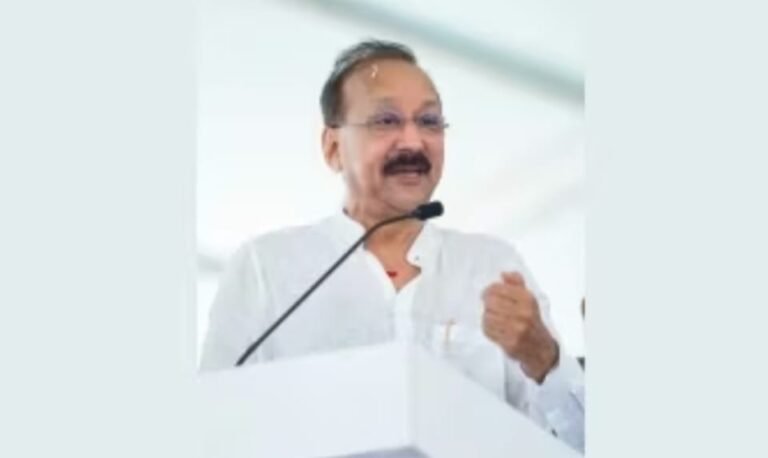
Mumbai: Police Rule Out Builder Lobby Link in Baba Siddique Murder Case, Tell High Court Mumbai: In a significant development in the high-profile murder case of senior political leader Baba Siddique, the Mumbai Police has informed the Bombay High Court that there is no evidence linking any real estate developer or builder lobby to the killing. In an affidavit submitted before the court, the police clarified that allegations suggesting the involvement of builders are speculative and not backed by material evidence gathered during the course of investigation. The affidavit was filed in response to petitions that had raised concerns about a possible redevelopment or property dispute angle behind the murder. No Real Estate Angle Found According to investigators, extensive technical and financial scrutiny has been carried out, including analysis of call data records, examination of money trails, and detailed statements of the arrested accused. However, officials have stated that no credible proof has emerged to support claims of involvement by any builder or developer. The police have indicated that the investigation so far points towards operatives allegedly associated with gangster Anmol Bishnoi. As per the findings shared with the court, the motive appears to be linked to criminal rivalry, dominance in the underworld network, and financial interests — rather than any dispute related to real estate or redevelopment projects. Investigation Still Ongoing Authorities also updated the court on the steps being taken to secure custody of key accused persons believed to be operating from abroad. Multiple agencies are coordinating efforts to ensure that the probe remains comprehensive, legally sound, and transparent. The murder, which took place in Mumbai in October 2024, had sparked strong political reactions across Maharashtra, leading to widespread demands for a thorough and impartial investigation. While the case continues to remain under active scrutiny, the latest submission before the High Court appears to narrow the focus of the probe, dismissing speculation around a builder lobby angle and reinforcing the theory of criminal rivalry as the primary motive. Further developments in the case are awaited as the investigation progresses.
‘Be Careful in India?’ Foreigner Breaks Down After Stranger’s Kindness in Mumbai, Viral Video Melts Millions of Hearts

‘Be Careful in India?’ Foreigner Breaks Down After Stranger’s Kindness in Mumbai, Viral Video Melts Millions of Hearts

‘Be Careful in India?’ Foreigner Breaks Down After Stranger’s Kindness in Mumbai, Viral Video Melts Millions of Hearts Mumbai: What began as a cautious journey through India turned into a deeply moving experience for a foreign traveller whose emotional video has now captured millions of hearts online. Alicia, an international traveller documenting her long-distance run from Mumbai to Goa, recently shared a video on Instagram that has since gone viral. In the clip, she is seen walking along a street, speaking directly to the camera, visibly overwhelmed as she reflects on an unexpected act of kindness from a stranger in Mumbai. A Journey Beyond Tourism Unlike conventional travel that focuses on sightseeing, Alicia chose a slower path—running between cities, passing through towns and villages, and interacting closely with local communities. Her journey was not about ticking off tourist attractions, but about experiencing everyday life in India. Before arriving, she says she received repeated warnings urging her to “be careful.” Friends and acquaintances cautioned her about safety concerns, echoing perceptions often shaped by international media narratives. But in her emotional video, Alicia gently questions those fears. “Be careful of what?” she asks, before answering herself—suggesting she should instead be careful not to fall even more in love with the people she has met along the way. A Simple Gesture, A Powerful Impact The moment that left her in tears occurred in Mumbai. Alicia recounts how a man, whom she described as appearing economically underprivileged, went out of his way to buy her a bottle of water. Despite her polite attempts to refuse, he insisted she accept it. She did not fully understand everything he said, but she recalls him mentioning “Mumbai” with pride. For Alicia, the small gesture carried immense meaning. In her caption, she reflected that even those with limited material means can show extraordinary compassion and generosity. In India, offering water to a guest or passerby is deeply rooted in cultural tradition—a quiet but powerful expression of hospitality. In bustling cities like Mumbai, where economic contrasts are visible and life moves at a relentless pace, such acts often go unnoticed. Yet for one traveller, this moment became symbolic of her entire journey. Social Media Embraces the Story The video has reportedly garnered over 3.4 million views, sparking thousands of reactions and heartfelt comments. Many users wrote that this is the India they know—an India defined not by headlines, but by humanity. Others echoed the sentiment that kindness is not measured by wealth, but by character. Some comments reflected on how travel can reshape perceptions, teaching lessons about empathy and connection that no classroom can provide. Others noted that small gestures from strangers often leave lifelong impressions. Redefining Perceptions Alicia’s story has resonated far beyond social media trends. It highlights the contrast between preconceived fears and lived experiences, and reminds viewers that human connection often transcends language, nationality, and circumstance. In a world frequently dominated by negative narratives, one bottle of water—and one stranger’s kindness—has become a powerful reminder that compassion still flows freely on the streets of Mumbai.
Fake Payment Scam Targets Mumbai Psychologists, Fraudsters Exploit Online Appointment System

Fake Payment Scam Targets Mumbai Psychologists, Fraudsters Exploit Online Appointment System

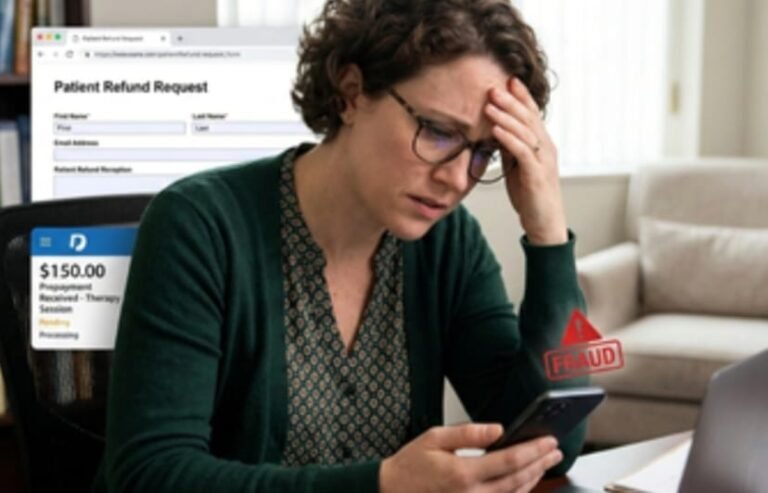
Fake Payment Scam Targets Mumbai Psychologists, Fraudsters Exploit Online Appointment System Mumbai: A new and troubling online fraud is leaving mental health professionals shaken across the city. Psychologists in Mumbai are reporting a rise in appointment-related scams, where fraudsters pose as patients, share fake payment screenshots, and then pressure therapists into issuing refunds for money that was never paid. The scam typically begins with a phone call or text message requesting a therapy appointment. The caller insists on making an advance online payment and soon sends what appears to be a genuine transaction screenshot. Shortly after, the appointment is abruptly cancelled and a refund is demanded. The screenshot, however, is fabricated, and no payment has actually been credited. “The scammer creates urgency and confusion, pushing the counsellor to issue a refund immediately,” said a psychologist who fell victim to the fraud and requested anonymity. “If you don’t verify the bank statement carefully, you end up transferring your own money.” Several psychologists have shared similar experiences. One counsellor recounted how the individual became abusive when informed that no payment had been received. Another psychologist explained that the entire interaction happened over text messages, with the fraudster claiming to be from outside the city and citing references from well-known hospitals to gain trust. After receiving a QR code for payment, the psychologist was sent a screenshot complete with transaction ID, time stamp, and other realistic details. When a refund was requested, a routine check revealed that no money had entered the account. On being confronted, the fraudster accused the professional of cheating and used threatening language. Mental health professionals say the scam is becoming more sophisticated. Fake payment screenshots, created using easily available online templates, are designed to look authentic at first glance. In one case, a psychologist uploaded the image to an online verification tool and discovered it was generated from a template rather than an actual banking app. Another counsellor described being contacted for an “emergency” session. After claiming a payment link was not working, the fraudster requested a QR code and immediately sent a screenshot showing a payment of ₹2,000. Despite repeated checks, no transaction appeared in the bank account. The individual continued to insist that payment had been made but eventually failed to show up for the session. Experts say the rise of online consultations after the Covid-19 pandemic has made advance digital payments common practice, inadvertently opening doors for such frauds. While police officials have acknowledged awareness of the scam, no formal complaints have been registered so far. Psychologists are now urging colleagues to remain cautious—verify every payment directly through bank statements before confirming appointments or processing refunds. “Our profession is built on trust and empathy,” one counsellor said. “Scams like these not only cause financial loss but also emotional distress to professionals who are simply trying to help others.”
₹1.2 Crore at Stake: Serious Questions Over Sudden Cancellation of 18 PG Seats at Karjat Medical College

₹1.2 Crore at Stake: Serious Questions Over Sudden Cancellation of 18 PG Seats at Karjat Medical College

₹1.2 Crore at Stake: Serious Questions Over Sudden Cancellation of 18 PG Seats at Karjat Medical College Mumbai: Can 18 doctors independently take the same decision at the same time—especially when that decision involves walking away from nearly ₹1.2 crore each in fees? This troubling question has emerged following developments at NY Tasgaonkar Institute of Medical Science, a Karjat-based medical college that began its postgraduate (PG) medical courses for the first time this academic year. The institute received approval for 36 PG seats and was included in the Maharashtra admission counselling process only from Round 3. Records from that round show that all 18 institutional and NRI quota seats, which attract significantly higher fees, were marked as filled. However, four out of 18 subsidised state quota seats remained vacant. What followed has sparked serious concern. When the next counselling round commenced, the college informed authorities that no institutional or NRI seats were available. Yet, just days later—on February 20—the institute approached the Bombay High Court, claiming that all 18 students admitted under the institutional and NRI quotas had cancelled their admissions. On this basis, the college sought permission to fill the seats directly at the college level. In its petition, the institute stated that it had received approval too late to attract adequate student response and that 29 of the 36 seats remained vacant after Round 3. Accepting this submission, the court granted relief. However, parents’ representatives and education experts argue that a critical fact was not disclosed—that the institutional and NRI quota seats had already been shown as filled during Round 3 counselling. Sudha Shenoy, a parent representative, alleged that the court was informed only about late permission and vacant seats, without clarity on the earlier admissions. She also questioned the adequacy of the state’s legal response in the matter. As per the official admission brochure, PG medical admissions in Maharashtra are conducted exclusively online through the State CET Cell, leaving no scope for institutional-level discretion. Confirming developments, a senior CET Cell official, Dr Siddhesh Nar, stated that the college emailed the CET Cell on February 26, claiming that all 18 institutional and NRI candidates had cancelled their admissions on February 24 and 25, along with submitted cancellation forms. Following this, the matter was referred to the Directorate of Medical Education and Research (DMER) for inquiry. The DMER has since submitted its report to the CET Cell, though its findings have not been made public. Experts say the perfectly timed collective withdrawal demands deeper scrutiny. Key questions remain unanswered: Vacant PG seats filled without government oversight, experts warn, can seriously compromise the integrity of the medical admission system. Repeated attempts to contact the college for clarification received only a brief response requesting messages. Detailed questions sent thereafter received no reply. As authorities examine the DMER report, the case has once again highlighted concerns over transparency, accountability, and regulation in private medical education—an issue with far-reaching consequences for students and the healthcare system alike.
BMC Picks Raymond to Develop Worli Helipad Under PPP Model

BMC Picks Raymond to Develop Worli Helipad Under PPP Model

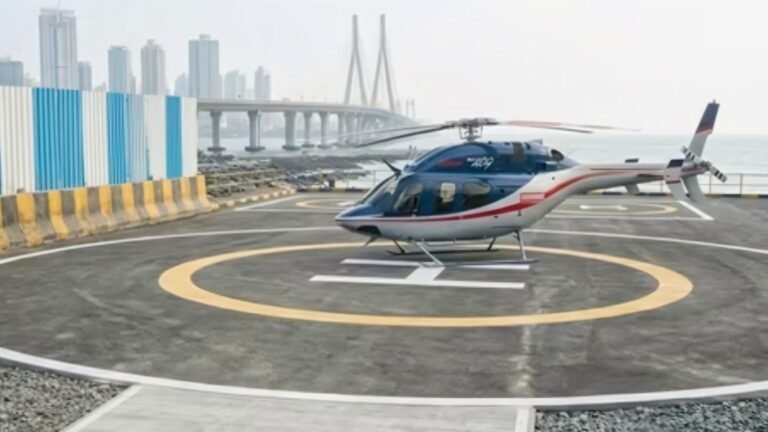
BMC Picks Raymond to Develop Worli Helipad Under PPP Model Mumbai: In a major infrastructure move aimed at strengthening Mumbai’s aerial connectivity and emergency response network, the Brihanmumbai Municipal Corporation (BMC) has selected Raymond Ltd as its private partner to develop and operate a helipad at the Worli jetty under a public-private partnership (PPP) model. The project marks a significant step in repurposing coastal infrastructure created during the city’s ambitious road development works. Raymond to Lead Development and Operations Under the agreement, Raymond will be responsible for the complete redevelopment of the existing Worli jetty structure into a fully licensed helipad facility. The company will oversee construction, architectural modifications, safety enhancements, and long-term operations and maintenance of the site. Civic officials said the move aligns with the BMC’s strategy to leverage private sector expertise while ensuring steady revenue for the municipal body. Jetty to Be Upgraded as Permanent Structure The Worli jetty was originally constructed as a temporary facility to support the Brihanmumbai Municipal Corporation’s coastal road works. As part of the helipad project, the structure will now be converted into a permanent installation. Significant structural changes are planned, including reinforced construction, dedicated ramp access, and enhanced safety systems. All upgrades will be carried out in compliance with norms prescribed by the Directorate General of Civil Aviation (DGCA), which regulates civil aviation operations in India. Officials confirmed that aviation safety standards, emergency response readiness, and operational efficiency will be central to the redesign. Operational Timeline The helipad is expected to become operational within the next two years, subject to statutory and aviation regulatory approvals. Once completed, Raymond will manage day-to-day functioning, maintenance, and operational logistics of the facility. Revenue Sharing Model Under the PPP framework, Raymond will share 50 percent of landing fee revenue with the BMC. Additionally, the agreement guarantees a minimum monthly payment of ₹4 lakh to the civic body, whichever amount is higher. This ensures a stable income stream for the municipal corporation while allowing the private partner operational flexibility. Strategic Importance for Mumbai The Worli helipad is expected to play a crucial role in replacing helicopter operations currently conducted at the Mahalaxmi Racecourse, which is undergoing redevelopment. Beyond VIP movement, the facility is being positioned as a vital emergency infrastructure asset. It will support air ambulance services, disaster response operations, and critical medical evacuations — especially important in a densely populated metropolis like Mumbai. Boost to Coastal Road Corridor The helipad’s location near the city’s expanding coastal road corridor adds to its strategic value. Officials believe the project complements Mumbai’s broader infrastructure push, creating an integrated transport ecosystem that includes road, sea, and air connectivity. With adequate landing space and proximity to South Mumbai’s key administrative and commercial zones, the Worli helipad is set to become an important node in the city’s evolving urban transport network.

Recent News

Undercover Editor

From BMC updates, local area developments, railway station news, and crime reports to the latest in politics, sports, Bollywood, lifestyle, travel, and education, we bring you news that’s relevant, reliable, and real-time


Undercover Editor © 2025 – Designed by iCreato