Category: Politics

Contrary to popular belief, Lorem Ipsum is not simply random text. It has roots in a piece of classical Latin literature from 45 BC, making it over 2000 years old. Richard McClintock, a Latin professor

Piyush Goyal hits back at Congress over India-EU FTA criticism, calls deal a “historic economic breakthrough”

Piyush Goyal hits back at Congress over India-EU FTA criticism, calls deal a “historic economic breakthrough”

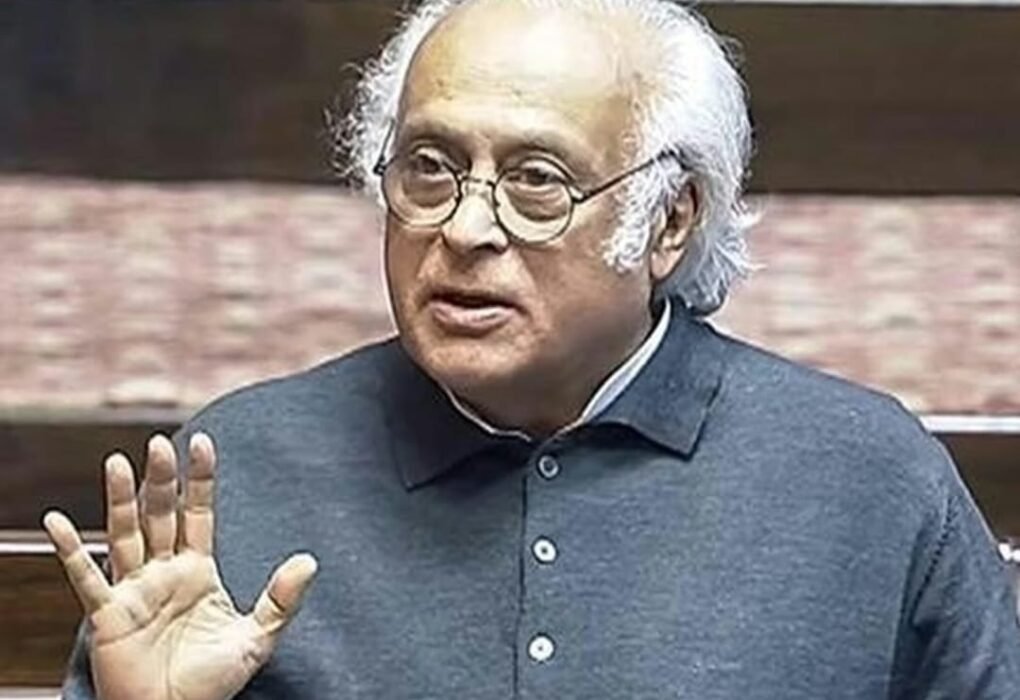
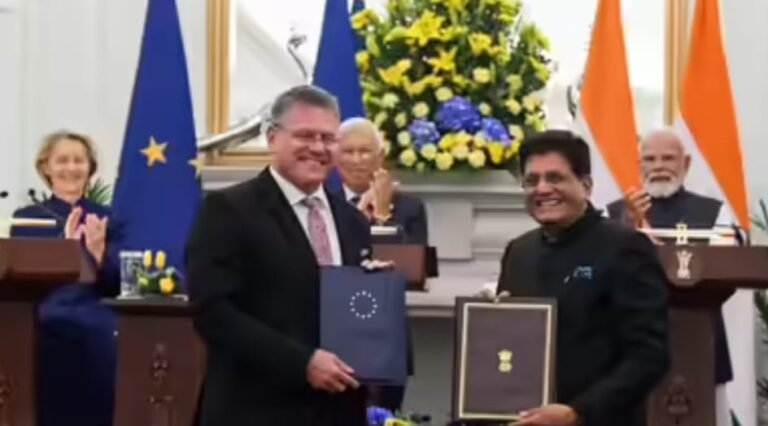
Piyush Goyal hits back at Congress over India-EU FTA criticism, calls deal a “historic economic breakthrough” Mumbai | Undercover Editor News Channel, January 29, 2026 New Delhi: Union Commerce and Industry Minister Piyush Goyal on Wednesday launched a sharp counterattack against the Congress after senior leader Jairam Ramesh described the India–European Union Free Trade Agreement (FTA) as “hugely hyped.” Defending the pact, Goyal said the criticism reflected political frustration rather than economic reasoning, calling the agreement a “landmark, win-win deal” for India. Reacting to Ramesh’s social media post raising concerns over trade deficits, automobiles, intellectual property rights, refined fuel exports, and the European Union’s Carbon Border Adjustment Mechanism (CBAM), Goyal questioned the Congress party’s credibility on trade negotiations. “Is this a case of sour grapes?” the minister asked, remarking that those who failed to act while in power were now attempting to undermine a deal of historic scale. He said India paid a “heavy economic price” when FTA talks were stalled between 2013 and 2022, costing the country jobs, exports, and growth opportunities. Rejecting the charge that the agreement was over-sold, Goyal highlighted the size and significance of the pact, describing it as one of the world’s largest trade agreements. He pointed to the combined GDP of nearly USD 25 trillion, annual trade of USD 11 trillion, and access to a common market of almost two billion people. The minister emphasised that tariff elimination on USD 33 billion worth of India’s labour-intensive exports from the very first day would deliver immediate benefits to Indian workers, exporters, and small businesses. Responding to Congress’s warning that the FTA could widen India’s trade deficit due to tariff reductions on over 96 per cent of EU exports, Goyal said the agreement was carefully negotiated to protect domestic interests while expanding India’s global footprint. On CBAM, which the Congress said could hurt India’s aluminium and steel exports, Goyal said the government had proactively engaged with the EU to identify solutions through dialogue and cooperation. He stressed that India had not adopted a rigid stance and remained confident of safeguarding national interests. Addressing concerns over regulatory standards, Goyal clarified that health and safety norms remained intact under the agreement and were structured to prevent unjustified trade barriers. On intellectual property rights, he said provisions were aligned with the WTO’s TRIPS framework, preserving public health safeguards, technology transfer rights, and recognition of India’s traditional knowledge systems. The minister also dismissed fears regarding services and automobile imports. He said services commitments stayed within India’s existing domestic framework, while automobile liberalisation was quota-based, limited to premium segments, and phased. Electric vehicle imports, he added, would see a five-year lag, giving Indian manufacturers time to strengthen their capabilities. Goyal said the policy would encourage European manufacturers to shift from imports to local production, boosting the Make in India initiative and creating jobs. On refined fuel exports — India’s largest export category to the EU — the minister said trade flows were influenced by global factors and that the FTA represented a long-term strategic partnership built on trust and mutual respect. “I hope the opposition sheds this pessimistic outlook,” Goyal said, adding that the government’s priority was to expand opportunities for Indian youth, businesses, and workers, not to act as a roadblock to economic growth. India and the European Union began negotiations for the FTA in 2007. After 16 rounds, talks were suspended in 2013 due to unresolved issues and resumed in June 2022. The agreement was finalised and announced this week, nearly 18 years after negotiations first began.

Mumbai BMC Mayor Elections 2026: Mayoral Poll Deferred to February as Group Registration Remains Incomplete

Mumbai BMC Mayor Elections 2026: Mayoral Poll Deferred to February as Group Registration Remains Incomplete

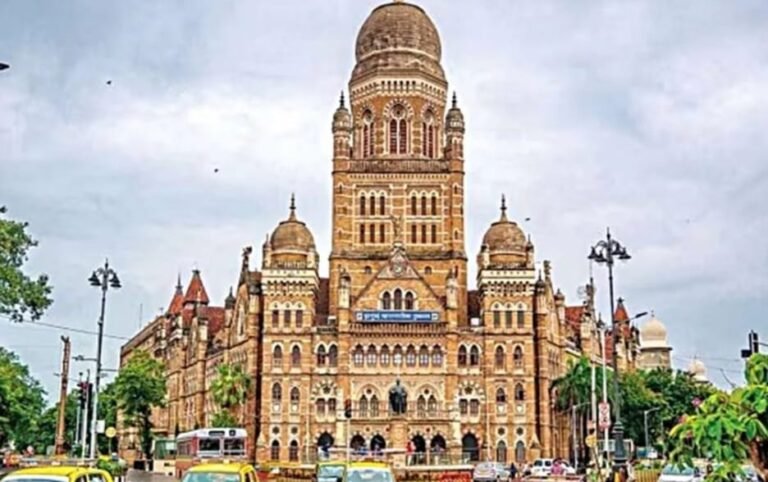
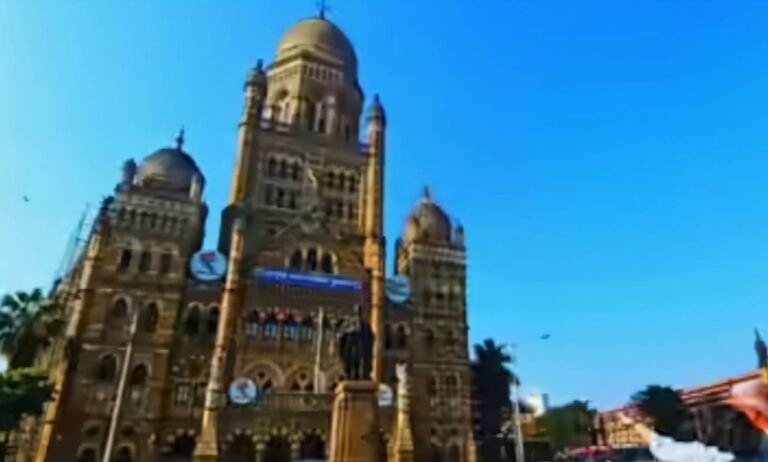
Mumbai BMC Mayor Elections 2026: Mayoral Poll Deferred to February as Group Registration Remains Incomplete Mumbai: Even ten days after the Brihanmumbai Municipal Corporation (BMC) election results were declared, Mumbai is yet to get its new mayor. The election to the post has now been deferred to February, as several political parties have not completed the mandatory group registration process required before the mayoral vote. Earlier, the civic administration was preparing to convene a special general body meeting on January 31 to elect the mayor. However, the process has been put on hold as parties in the ruling alliance have not formally registered their groups with the Konkan Bhavan Commissioner — a compulsory step under municipal election rules. Mandatory Procedure Causes Delay As per election regulations, corporators must first form and register recognised party groups with the Konkan Bhavan Commissioner before the mayoral election can be conducted. While some parties completed this formality soon after the results, others are yet to finalise the process, resulting in the delay. The Shiv Sena (Uddhav Thackeray faction), Congress and the Maharashtra Navnirman Sena (MNS) have already registered their groups. However, the Bharatiya Janata Party (BJP) and the Shiv Sena led by Chief Minister Eknath Shinde are still in the process of completing registrations. Several smaller parties have also not finalised their group formation. With official work resuming after recent holidays, group registrations are expected to move forward in the coming days, after which the mayoral election will be scheduled. BMC Election Results Snapshot The BMC elections were held on January 15, with results declared on January 16. The BJP emerged as the single largest party with 89 seats. The Shiv Sena (UBT) won 65 seats, while the Shiv Sena led by Eknath Shinde secured 29 seats. Congress won 24 seats and the MNS bagged six. With a combined strength of 118 corporators, the BJP–Shinde Sena alliance enjoys a clear majority in the 227-member civic House, making it highly likely that the next mayor will be from the ruling alliance. Mayor’s Post Reserved for General Category Woman The Maharashtra Urban Development Department has already announced that the Mumbai mayor’s post is reserved for a woman from the General category, following the reservation lottery. The decision has triggered political reactions, with opposition leaders questioning the process. However, the reservation stands, setting the stage for Mumbai to soon have a woman mayor from the General category once the election is formally conducted. Until the procedural requirements are completed, Mumbai will continue without an elected mayor, with the city now expected to get its new civic head in February.
Mumbai BMC Mayor Election: Women Frontrunners Emerge to Lead India’s Richest Civic Body

Mumbai BMC Mayor Election: Women Frontrunners Emerge to Lead India’s Richest Civic Body

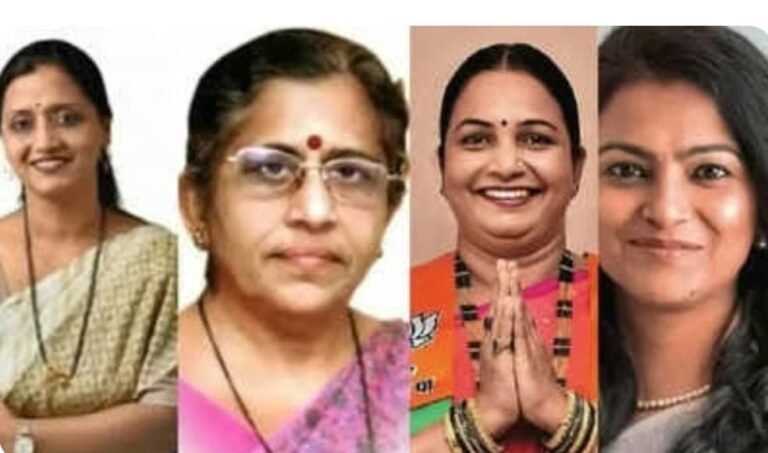
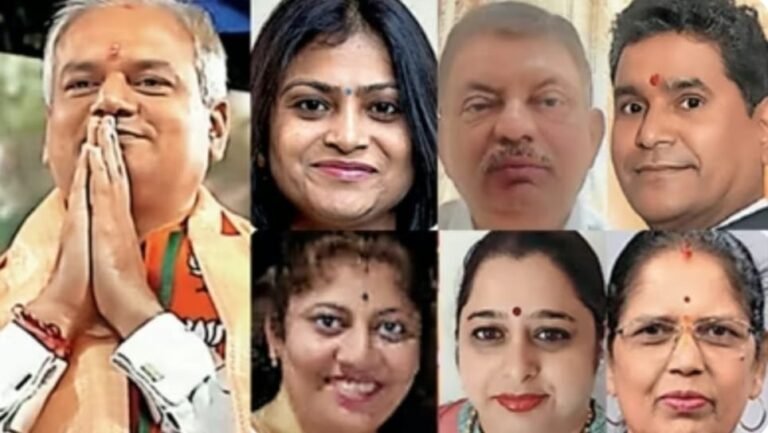
Mumbai BMC Mayor Election: Women Frontrunners Emerge to Lead India’s Richest Civic Body Mumbai | Undercover Editor News Channel, January 23, 2026 Mumbai: The race for the post of Mumbai Mayor has entered a decisive phase, with the Bharatiya Janata Party (BJP) emerging as the frontrunner to reclaim the top position in the Brihanmumbai Municipal Corporation (BMC) after nearly four decades. Following the Urban Development Department’s lottery that reserved the mayor’s post for a woman from the General category, the BJP has narrowed its shortlist to several experienced women corporators. Party sources indicate that the BJP leadership is weighing organisational strength, political strategy, and public appeal as it prepares to make a historic return to the mayor’s chair. The last BJP mayor of Mumbai was Dr Prabhakar Pai in the 1980s. Key Contenders in the BJP Camp Among the leading names is Ritu Tawde, a two-time corporator from Ghatkopar who joined the BJP from the Congress in 2012. Known for her grassroots connect and organisational experience, Tawde is seen as a strong administrative choice. Another prominent contender is Alka Kerkar, a three-time corporator from Bandra West and a former deputy mayor. With close links to the Rashtriya Swayamsevak Sangh (RSS), Kerkar brings both political seniority and organisational backing. Also in the fray is Rajeshree Shirwadkar, a third-term corporator from Sion, who has steadily built a reputation within the party for her civic work and leadership skills. Strategic Choices and Wider Political Calculations Party insiders suggest the final decision will reflect a balance between experience, regional representation, and broader political messaging. The BJP’s potential return to power in Mumbai’s civic body is being seen as a symbolic moment, given the city’s long political history and the party’s absence from the mayor’s post for almost 40 years. Other names under consideration include Tejasvee Ghosalkar from Dahisar, a former Shiv Sena (UBT) corporator. Her candidature is being viewed as a tactical move aligned with Deputy Chief Minister Eknath Shinde’s efforts to mark the birth centenary of late Balasaheb Thackeray. Additional probable contenders include Harshita Narvekar (Fort), Priti Satam (Goregaon), Yogita Koli (Malad), Shital Gambhir (Mahim), and Swapna Mhatre (Bandra West), reflecting the party’s strong pool of women leaders across Mumbai. A Landmark Moment for Civic Politics With the mayor’s post reserved for a woman and the BJP on the cusp of reclaiming the position, the upcoming selection is being closely watched across political circles. The decision is expected to shape the civic and political narrative of Mumbai ahead of the next municipal elections, while also highlighting the growing role of women in urban governance. As the final name is awaited, Mumbai stands at the threshold of a potentially historic chapter in its civic leadership.
BMC Mayoral Race: General Category Woman to Lead India’s Richest Civic Body

BMC Mayoral Race: General Category Woman to Lead India’s Richest Civic Body

BMC Mayoral Race: General Category Woman to Lead India’s Richest Civic Body Mumbai | Undercover Editor News Channel, January 22, 2026 In a significant development ahead of the Brihanmumbai Municipal Corporation (BMC) elections, the post of Mumbai Mayor has been reserved for a woman from the General category, following a reservation lottery conducted by the Maharashtra Urban Development Department on Thursday. The BMC, India’s richest civic body, will thus see a woman mayor from the unreserved category for the upcoming term. The lottery was conducted in the presence of Minister of State for Urban Development Madhuri Misal and attended by representatives from major political parties, including BJP’s Rajesh Shirwadkar, Shiv Sena (UBT) corporator Kishori Pednekar, MLA Manoj Jamsutkar, and NCP leader Anand Paranjape. Reservation Breakdown Across 29 Municipal Corporations Out of the 29 municipal corporations in Maharashtra, mayoral posts have been reserved as follows: With the implementation of the 60% women’s reservation, 15 mayoral posts are reserved for women, while 14 remain in the General category. MMR Mayoral Reservations Announced In the Mumbai Metropolitan Region (MMR), mayoral reservations are as follows: UBT Alleges Rule Violations, Calls Lottery ‘Rigged’ Shiv Sena (UBT) corporator and outgoing Mayor Kishori Pednekar strongly objected to the reservation outcome, alleging that the lottery was conducted in violation of established rules and was “pre-decided.” “For BMC, the mayoral post has been kept in the General category for two consecutive terms. There has never been an OBC woman mayor in Mumbai. This is a grave injustice to OBCs and STs,” Pednekar said. She alleged that a new rule — requiring at least three ST corporators to claim an ST reservation — was introduced deliberately, as only Shiv Sena (UBT) currently has ST corporators in the BMC. “This rule was neither communicated to political parties nor applied transparently. The lottery was manipulated to suit the ruling party,” she claimed. ST Representation Controversy Pednekar further pointed out that in the current BMC House, only the Uddhav Thackeray-led Shiv Sena (UBT) has elected corporators from ST-reserved wards. Ahead of the civic elections, Ward No. 53 and Ward No. 121 were reserved for ST candidates, and both seats were won by UBT nominees. “If there was a genuine rotation policy, BMC should have been reserved for OBC women or ST women. Instead, the reservation was structured to ensure that BJP, which does not have ST women corporators in BMC, faced no disadvantage,” Pednekar alleged. History of Reserved Category Mayors in Mumbai Mumbai has previously seen mayors from different reserved categories: The latest reservation has reignited political debate over fairness, rotation, and representation in the civic governance of Mumbai, with opposition parties warning that the issue could escalate politically and legally in the coming days.
Shiv Sena Party and Symbol Dispute Reaches Crucial Stage; Supreme Court to Hear Final Arguments on Balasaheb Thackeray Jayanti

Shiv Sena Party and Symbol Dispute Reaches Crucial Stage; Supreme Court to Hear Final Arguments on Balasaheb Thackeray Jayanti

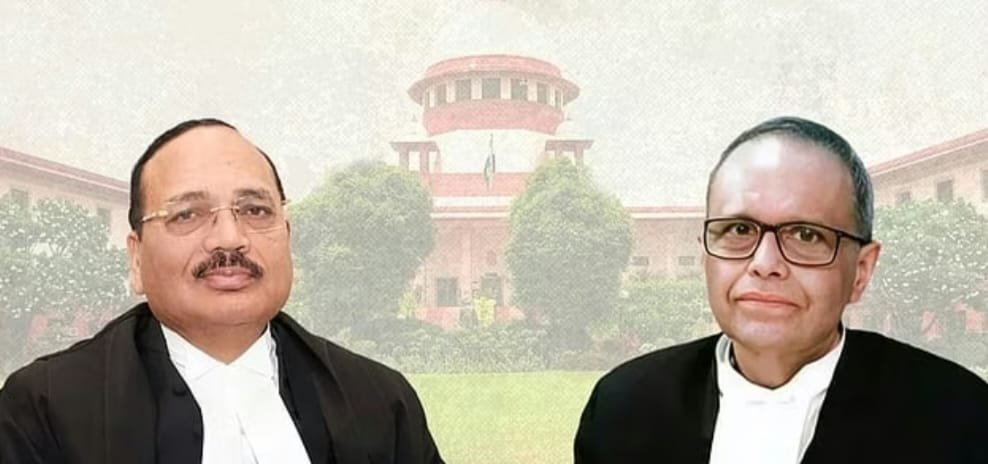
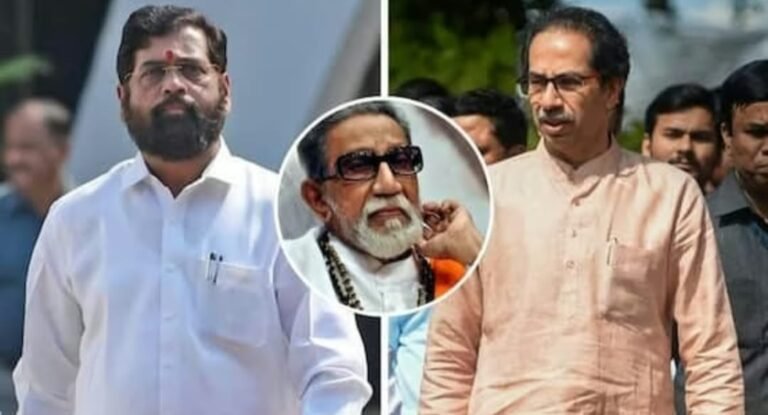
Shiv Sena Party and Symbol Dispute Reaches Crucial Stage; Supreme Court to Hear Final Arguments on Balasaheb Thackeray Jayanti New Delhi/Mumbai: The long-running legal battle over the Shiv Sena party name and its iconic ‘bow and arrow’ symbol has entered a decisive phase, with the Supreme Court scheduling final arguments for January 23, coinciding with the birth anniversary of Shiv Sena founder Balasaheb Thackeray. The matter, which has remained at the centre of Maharashtra’s political turbulence for nearly two-and-a-half years, will be heard by a Constitution Bench headed by Chief Justice Suryakant, along with Justice Joymalya Bagchi. The hearing, originally listed for January 21, could not take place due to time constraints arising from another case and was consequently deferred. The upcoming hearing has drawn nationwide attention, as it is seen not merely as a legal dispute but as a decisive moment for the political identity, legacy, and future course of the Shiv Sena. A Battle Beyond Law The dispute goes far beyond ownership of a party symbol. At stake is the ideological legacy of Balasaheb Thackeray and the question of who represents the “real Shiv Sena.” The verdict is expected to have far-reaching implications for Maharashtra’s political equations, alliances, and future elections. The Supreme Court had earlier observed in November 2025 that the matter had been pending for an unusually long period, underscoring the urgency of a final resolution. Roots of the Crisis: June 2022 Political Upheaval The controversy traces back to June 2022, when Eknath Shinde, along with more than 40 Shiv Sena MLAs, revolted against party leadership and aligned with the Bharatiya Janata Party (BJP). This rebellion led to the collapse of the Uddhav Thackeray-led Maha Vikas Aghadi government and dramatically reshaped Maharashtra’s political landscape. Shinde’s faction argued that the alliance with the Congress and the Nationalist Congress Party had diluted Shiv Sena’s core ideology, prompting the split. However, the rebellion raised fundamental questions about party authority, leadership legitimacy, and symbol ownership. Election Commission’s Decision In February 2023, the Election Commission of India recognised the Eknath Shinde faction as the ‘real Shiv Sena’ and allotted it the traditional ‘bow and arrow’ symbol, largely on the basis of numerical strength in the legislature. Following this decision, the Shinde-led Shiv Sena contested the 2024 Lok Sabha and Maharashtra Assembly elections under the party’s original name and symbol, dealing a major political blow to the Uddhav Thackeray faction. Uddhav Thackeray’s Challenge in Supreme Court Challenging the Election Commission’s ruling, Uddhav Thackeray approached the Supreme Court, arguing that the Commission erred by relying solely on legislative majority while issues related to the disqualification of rebel MLAs were still pending. The Thackeray faction contended that it retained control over the party’s organisational structure and internal leadership, and that the Commission ignored this crucial aspect while delivering its verdict. The Supreme Court, however, earlier declined to stay the Election Commission’s order, allowing the Shinde faction to continue using the Shiv Sena name and symbol. Consequently, the Thackeray-led faction was compelled to operate under the name Shiv Sena (UBT) with the ‘torch’ symbol. A Fight for Legacy and Identity Political observers note that this case is not just about electoral symbols but about Balasaheb Thackeray’s ideological inheritance. For Eknath Shinde, retaining the bow and arrow symbol represents legal and moral validation of his political breakaway. For Uddhav Thackeray, reclaiming it is essential to restoring Shiv Sena’s original identity, emotional connect, and credibility among its core supporters. As the Supreme Court prepares to hear final arguments on January 23, the verdict is expected to mark a turning point in Maharashtra politics—potentially redefining party legitimacy, voter perception, and the balance of power in the state.
RSS Centenary: Mohan Bhagwat to Address ‘New Horizons’ Lecture Series in Mumbai on Feb 7–8

RSS Centenary: Mohan Bhagwat to Address ‘New Horizons’ Lecture Series in Mumbai on Feb 7–8

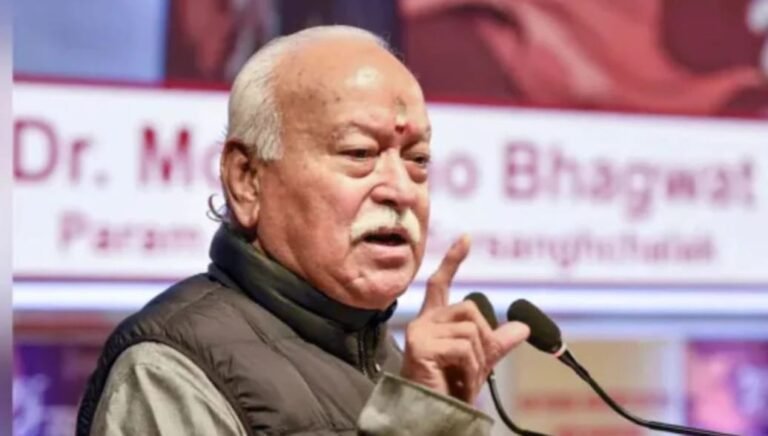
RSS Centenary: Mohan Bhagwat to Address ‘New Horizons’ Lecture Series in Mumbai on Feb 7–8 Mumbai | Undercover Editor News Channel, January 22, 2026 As part of the Rashtriya Swayamsevak Sangh’s (RSS) centenary year celebrations, RSS Chief Dr Mohan Bhagwat will deliver a special lecture and participate in an interactive session in Mumbai on February 7 and 8, 2026, according to an official RSS statement issued on Wednesday. The two-day programme, titled ‘New Horizons’, will be held at the Nehru Centre in Worli and is expected to witness the participation of eminent personalities from across diverse fields, including industry, cinema, arts, science, medicine, law, sports, education, media, and social service. Dr Bhagwat will deliver the main lecture on February 7, followed by an interactive question-and-answer session with invitees on February 8. The event marks the final leg of a four-city lecture series, which has already been conducted in Delhi, Bengaluru, and Kolkata. Speaking about the programme, Arjun Chandekar, Sanghchalak of Kokan Prant, said that the response from prominent members of society has been overwhelming. He noted that participation of what the RSS refers to as ‘Sajjan Shakti’—respected individuals from civil society—has grown significantly over the years, reflecting wider engagement with Sangh activities. The RSS centenary year, which began on Vijayadashami 2025 and will conclude on Vijayadashami 2026, places special emphasis on ‘Panch Parivartan’—a five-point vision focusing on family values, social harmony, civic responsibility, self-awareness, and environmental protection. As part of the centenary celebrations, the RSS has planned a series of outreach programmes across the country, including gruh sampark initiatives, intellectual gatherings, Hindu sammelans, youth conventions, and social engagement events, aimed at connecting with different sections of society. The Mumbai programme is expected to serve as a significant platform for dialogue and reflection, highlighting the RSS’s vision for societal development as it marks 100 years of its journey
Maharashtra Civic Polls: Crorepati Corporators Set to Shape Mumbai’s New Power Centre

Maharashtra Civic Polls: Crorepati Corporators Set to Shape Mumbai’s New Power Centre

Maharashtra Civic Polls: Crorepati Corporators Set to Shape Mumbai’s New Power Centre Mumbai | Undercover Editor News Channel, January 17, 2026 Mumbai: The Brihanmumbai Municipal Corporation (BMC), Asia’s richest civic body, is set to witness a new power dynamic as several crorepati corporators enter the House following the Maharashtra civic elections. The results not only mark a political shift in Mumbai’s governance but also highlight the growing influence of wealthy candidates across party lines in local body politics. Among the richest newly elected corporators are Makarand Suresh Narvekar of the BJP, who declared assets worth ₹124 crore, followed by Harshita Ashwin Narvekar (BJP) with ₹63.6 crore. Meenal Sanjay Turde of the Shiv Sena reported assets of ₹56 crore, while Tulip Brian Miranda (Congress) declared ₹51 crore. Other high-net-worth winners include Anita Nandkumar Vaity (BJP) with ₹29 crore, Yashodhar Phanse (Shiv Sena–UBT) with ₹25.9 crore, and Bhaskar Rama Shetty (Shiv Sena) with ₹25.4 crore. The presence of these affluent corporators is expected to play a significant role in policy discussions, budget decisions, and infrastructure planning in the coming term of the BMC. End of Thackeray Era at the BMC The elections have also brought an end to the Thackeray family’s nearly three-decade control over the BMC. The Mahayuti alliance, led by the BJP and Eknath Shinde-led Shiv Sena, managed to cross the majority mark in the 227-member House, though by a narrow margin. The BJP emerged as the single largest party with 89 seats, while Shinde’s Shiv Sena won 29, giving the alliance a combined tally just above the halfway mark. This arithmetic means the BJP will depend on its ally’s support for key decisions in the civic body. Opposition Holds Ground in Marathi Heartland The Uddhav Thackeray–Raj Thackeray alliance secured 71 seats, with Shiv Sena (UBT) winning 65 and the MNS 6 seats. While the combine managed to retain significant influence in Mumbai’s Marathi-dominated areas, it failed to replicate this performance in nearby urban centres such as Thane and Navi Mumbai. The Congress, contesting independently without its traditional Maha Vikas Aghadi partners, saw its tally fall to 24 seats, down from 31 in the previous election. Meanwhile, AIMIM recorded a notable rise, increasing its presence from 2 to 8 seats, particularly in minority-dominated wards. Vote Share and Political Messaging In terms of vote share, the BJP led with 21.6%, followed by Shiv Sena (UBT) at 13.2%, Shinde’s Shiv Sena at 5%, and Congress at 4.4%. Political analysts attribute the Mahayuti’s success to the pitch of a “triple-engine government”—with power at the Centre, state, and civic body—along with a campaign focused on development and governance efficiency. BJP MLA and Assembly Speaker Rahul Narwekar has indicated that the next mayor will be from the BJP. However, Deputy Chief Minister Eknath Shinde struck a conciliatory note, stating, “More than power or the mayor’s post, our priority is to bring visible change to the lives of Mumbaikars.” As Mumbai prepares for a new civic term, the combination of political realignment and the rise of wealthy corporators is expected to significantly influence the city’s administrative and developmental trajectory.
BMC Election Results: Mahayuti Ends Thackeray Era, Claims Mumbai’s Civic Crown After 28 Years

BMC Election Results: Mahayuti Ends Thackeray Era, Claims Mumbai’s Civic Crown After 28 Years

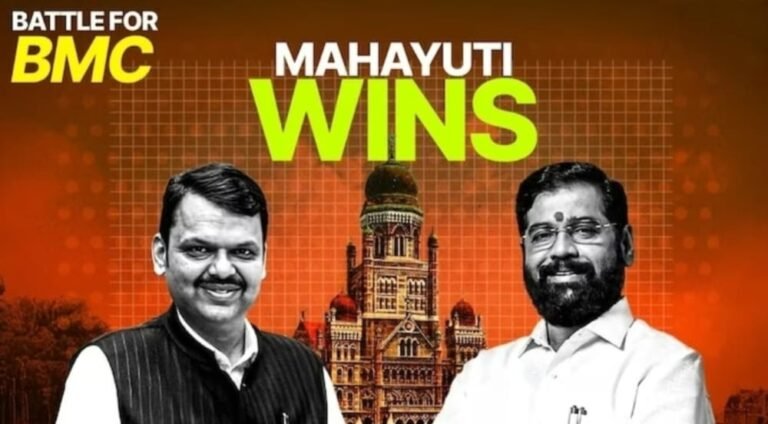
BMC Election Results: Mahayuti Ends Thackeray Era, Claims Mumbai’s Civic Crown After 28 Years Mumbai | Undercover Editor News Channel, January 16, 2026 Mumbai: The BJP-led Mahayuti has scripted history in Mumbai by wresting control of the Brihanmumbai Municipal Corporation (BMC), bringing an end to the Thackeray family’s nearly three-decade-long dominance over Asia’s richest civic body. The results mark a decisive political shift in the country’s financial capital and reaffirm the BJP’s growing grip over Maharashtra’s urban electorate. Under the leadership of Chief Minister Devendra Fadnavis, the Bharatiya Janata Party has delivered its strongest-ever performance in the BMC, surpassing its previous best of 82 seats achieved in 2017. The BJP has so far won or is leading in 88 of the total 227 wards. Its ally, the Shiv Sena led by Deputy Chief Minister Eknath Shinde, is ahead in 28 wards, taking the Mahayuti alliance comfortably past the majority mark of 114 seats. With this victory, Mumbai is set to get a BJP–Shiv Sena (Shinde faction) mayor after a long gap, signaling a decisive end to the political stronghold the undivided Shiv Sena had maintained since 1985, barring a brief interruption in the early 1990s. The outcome has firmly established Devendra Fadnavis as the central figure of the Mahayuti’s success. Party leaders and workers have credited his strategic leadership, campaign planning, and governance pitch for the alliance’s emphatic showing in the civic polls. At the same time, the results underline the challenges faced by Eknath Shinde in consolidating the traditional Shiv Sena voter base in Mumbai. Despite most of the corporators elected on the Shiv Sena ticket in 2017 backing Shinde after the party split, his faction has managed to secure just over 30 seats, falling short of expectations in what was once the party’s core bastion. Reacting to the results, Deputy Chief Minister Eknath Shinde termed the verdict a mandate for “development” and a rejection of “corruption.” Speaking to India Today, he said the BMC outcome reflected public approval of the Mahayuti government’s performance over the last three-and-a-half years. When asked about which party would get the mayor’s post, Shinde avoided specifics, stating that the mayor would be from the Mahayuti alliance. On the opposition side, Uddhav Thackeray’s Shiv Sena (UBT) is leading or has won around 72 seats—down from the 84 seats the undivided party secured in 2017. While the numbers reflect a significant setback, the results also suggest that the Thackeray brand continues to retain a substantial support base in Mumbai, despite losing the party symbol and a section of its organisational machinery. Senior BJP leader and Maharashtra minister Nitesh Rane described the outcome as a clear endorsement of the alliance’s ideological campaign. Reacting to the early trends, he said the verdict showed public support for the BJP–Shiv Sena’s Hindutva narrative, adding that those who speak for Hindu interests would continue to rule Maharashtra. As counting concludes, the BMC verdict is being seen as a political turning point—not just for Mumbai, but for Maharashtra’s broader power dynamics—setting the tone for future electoral battles in the state.
BMC Exit Polls Signal Clear Majority for BJP+, Major Setback for Thackeray Brothers

BMC Exit Polls Signal Clear Majority for BJP+, Major Setback for Thackeray Brothers

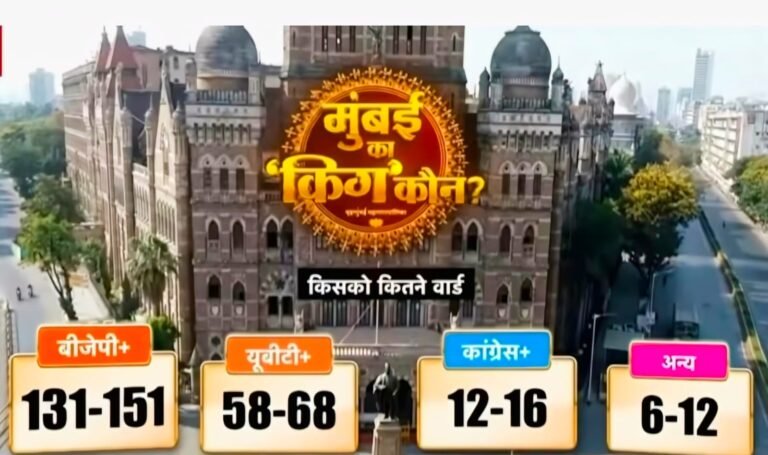
BMC Exit Polls Signal Clear Majority for BJP+, Major Setback for Thackeray Brothers Mumbai | Undercover Editor News Channel, January 15, 2026 Mumbai: Polling for Maharashtra’s 29 municipal corporations, including the high-profile Brihanmumbai Municipal Corporation (BMC), concluded peacefully on Thursday evening. As voting ended, exit polls released by Axis My India have stirred political buzz across Mumbai, suggesting a decisive advantage for the BJP-led Mahayuti alliance and a significant setback for the Thackeray brothers’ joint political experiment. According to the exit poll projections, the BJP+ alliance — comprising the Bharatiya Janata Party and the Eknath Shinde-led Shiv Sena — is poised to secure a comfortable majority in the 227-member BMC. The majority mark stands at 114 seats, and BJP+ is projected to cross this threshold with ease. The final verdict, however, will be known only after counting begins on Friday, January 16. Seat Share Projections As per Axis My India’s estimates, the BJP-led alliance is expected to win between 131 and 151 seats, placing it well above the majority mark. In contrast, the alliance of Shiv Sena (UBT) led by Uddhav Thackeray and the Maharashtra Navnirman Sena (MNS) headed by Raj Thackeray is projected to secure 58 to 68 seats. The Congress, which entered into a last-minute alliance with Prakash Ambedkar’s Vanchit Bahujan Aghadi (VBA), is likely to be restricted to 12 to 16 seats, indicating a limited impact in the civic battle. With nearly 1,700 candidates contesting across all wards, the exit poll numbers suggest a strong possibility of a power shift in India’s richest municipal body. Vote Share Estimates The exit poll indicates that BJP+ has emerged as the single-largest force in terms of vote share, with an estimated 42% of the total votes. The Thackeray brothers’ alliance is projected to receive 32%, while Congress+ and other parties are estimated to have garnered around 13% each. Community-wise Voting Trends A closer look at caste and community-wise trends reveals a mixed picture: These trends indicate that while the Thackeray-led alliance retains strong support among Marathi voters, BJP+ has built a broader cross-community coalition. Class and Profession-Based Trends Exit polls also highlight BJP+’s edge across multiple occupational groups: The Congress alliance remained a distant third across most categories. Women and Youth Back BJP+ Gender-wise trends show BJP+ leading among both women and men voters: The data suggests that BJP+ has emerged as the preferred choice among women and young voters in this election. Thackeray Stronghold Under Threat The BMC has traditionally been a Shiv Sena bastion since 1985, barring a brief exception in the early 1990s. Even in the tightly contested 2017 elections, the undivided Shiv Sena managed to retain the mayor’s post despite a strong BJP challenge. However, this time, exit polls indicate that even the rare political unity between Uddhav Thackeray and Raj Thackeray after nearly two decades may not be enough to retain control over Mumbai’s civic body. Disclaimer: Exit polls are indicative and not final results. Actual outcomes may differ and will be confirmed after the official counting of votes on January 16.
Maharashtra Votes Tomorrow: All You Need to Know About Civic Polls in Mumbai, Pune, Nagpur and 26 Other Cities

Maharashtra Votes Tomorrow: All You Need to Know About Civic Polls in Mumbai, Pune, Nagpur and 26 Other Cities

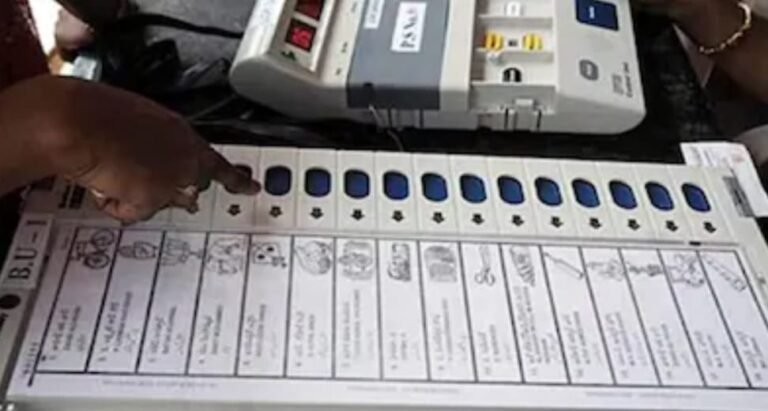
Maharashtra Votes Tomorrow: All You Need to Know About Civic Polls in Mumbai, Pune, Nagpur and 26 Other Cities Mumbai | Undercover Editor News Channel, January 14, 2026 Maharashtra is set for a major political showdown as voters across 29 municipal corporations, including key urban centers like Mumbai, Pune and Nagpur, head to the polls on January 15. With election campaigning ending on Tuesday evening, the stage is now set for a high-stakes civic battle that could significantly reshape the political landscape of the state. At the heart of the contest lies the crucial Brihanmumbai Municipal Corporation (BMC) election, long considered the crown jewel of urban local governance in India. The polls are being closely watched as a test of strength between the ruling Mahayuti alliance—led by the BJP along with Chief Minister Devendra Fadnavis and Deputy CM Eknath Shinde—and the opposition led by Shiv Sena (UBT), for whom the election is being seen as a battle for political survival. Single-Phase Voting on January 15 According to the State Election Commission, voting for all 29 municipal corporations will be held in a single phase on Wednesday, January 15, 2026. Polling will begin at 7:30 am and continue until 5:30 pm. To ensure maximum voter participation, the Commission has declared January 15 a public holiday in all municipal corporation areas where polling is scheduled. Counting on January 16 The counting of votes will take place on January 16, 2026, with early trends expected to emerge from 8:00 am onwards. Final results are likely to be declared later in the day. Voters and political observers can track the results live on the State Election Commission’s official website, while major news platforms and television channels will also provide real-time updates. High Stakes in Mumbai’s BMC Polls The BMC elections will decide the fate of 227 corporator seats, with 114 seats required for a simple majority. The outcome will determine whether the traditional saffron dominance continues in Mumbai or whether opposition forces manage to alter the balance of power. The contest in Mumbai is primarily between the BJP-Shiv Sena (Shinde faction) alliance and the Shiv Sena (UBT), with the Maharashtra Navnirman Sena (MNS) also emerging as a potential factor in select pockets. The Congress and NCP are expected to retain influence in specific regions across the state. Voter Information: What You Need to Know Voters can verify their names on the electoral roll through the official website mahasecvoterlist.in or by using the Voter Helpline App. For voting, the following photo identity documents will be accepted: Civic Polls Across 29 Cities Apart from Mumbai, civic elections are being held in major cities including Pune, Thane, Nagpur, Navi Mumbai, Kalyan-Dombivli, Pimpri-Chinchwad, Nashik, Chhatrapati Sambhajinagar, Solapur, Vasai-Virar, Mira-Bhayandar, Kolhapur, Amravati, Akola, Panvel, Ahmednagar, Jalna, and several others, making this one of the largest coordinated civic exercises in the state’s history. A Crucial Political Test With urban governance, local leadership, and future political equations at stake, the Maharashtra civic polls are being viewed as more than just municipal elections. The results are expected to set the tone for upcoming state-level political battles and offer clear signals about shifting voter sentiments in urban Maharashtra. All eyes will now be on January 15, as Maharashtra’s cities step out to vote and decide who will control their civic bodies for the next term.

Recent News

Undercover Editor

From BMC updates, local area developments, railway station news, and crime reports to the latest in politics, sports, Bollywood, lifestyle, travel, and education, we bring you news that’s relevant, reliable, and real-time


Undercover Editor © 2025 – Designed by iCreato