श्रेणी: Maharashtra New

Contrary to popular belief, Lorem Ipsum is not simply random text. It has roots in a piece of classical Latin literature from 45 BC, making it over 2000 years old. Richard McClintock, a Latin professor

Shiv Sena Party and Symbol Dispute Reaches Crucial Stage; Supreme Court to Hear Final Arguments on Balasaheb Thackeray Jayanti

Shiv Sena Party and Symbol Dispute Reaches Crucial Stage; Supreme Court to Hear Final Arguments on Balasaheb Thackeray Jayanti

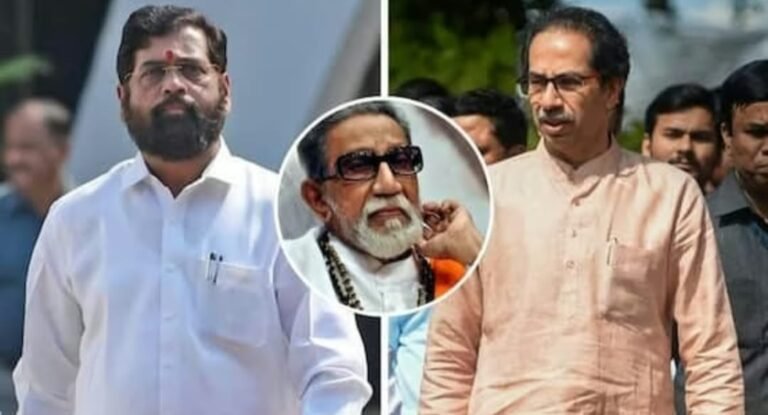
Shiv Sena Party and Symbol Dispute Reaches Crucial Stage; Supreme Court to Hear Final Arguments on Balasaheb Thackeray Jayanti New Delhi/Mumbai: The long-running legal battle over the Shiv Sena party name and its iconic ‘bow and arrow’ symbol has entered a decisive phase, with the Supreme Court scheduling final arguments for January 23, coinciding with the birth anniversary of Shiv Sena founder Balasaheb Thackeray. The matter, which has remained at the centre of Maharashtra’s political turbulence for nearly two-and-a-half years, will be heard by a Constitution Bench headed by Chief Justice Suryakant, along with Justice Joymalya Bagchi. The hearing, originally listed for January 21, could not take place due to time constraints arising from another case and was consequently deferred. The upcoming hearing has drawn nationwide attention, as it is seen not merely as a legal dispute but as a decisive moment for the political identity, legacy, and future course of the Shiv Sena. A Battle Beyond Law The dispute goes far beyond ownership of a party symbol. At stake is the ideological legacy of Balasaheb Thackeray and the question of who represents the “real Shiv Sena.” The verdict is expected to have far-reaching implications for Maharashtra’s political equations, alliances, and future elections. The Supreme Court had earlier observed in November 2025 that the matter had been pending for an unusually long period, underscoring the urgency of a final resolution. Roots of the Crisis: June 2022 Political Upheaval The controversy traces back to June 2022, when Eknath Shinde, along with more than 40 Shiv Sena MLAs, revolted against party leadership and aligned with the Bharatiya Janata Party (BJP). This rebellion led to the collapse of the Uddhav Thackeray-led Maha Vikas Aghadi government and dramatically reshaped Maharashtra’s political landscape. Shinde’s faction argued that the alliance with the Congress and the Nationalist Congress Party had diluted Shiv Sena’s core ideology, prompting the split. However, the rebellion raised fundamental questions about party authority, leadership legitimacy, and symbol ownership. Election Commission’s Decision In February 2023, the Election Commission of India recognised the Eknath Shinde faction as the ‘real Shiv Sena’ and allotted it the traditional ‘bow and arrow’ symbol, largely on the basis of numerical strength in the legislature. Following this decision, the Shinde-led Shiv Sena contested the 2024 Lok Sabha and Maharashtra Assembly elections under the party’s original name and symbol, dealing a major political blow to the Uddhav Thackeray faction. Uddhav Thackeray’s Challenge in Supreme Court Challenging the Election Commission’s ruling, Uddhav Thackeray approached the Supreme Court, arguing that the Commission erred by relying solely on legislative majority while issues related to the disqualification of rebel MLAs were still pending. The Thackeray faction contended that it retained control over the party’s organisational structure and internal leadership, and that the Commission ignored this crucial aspect while delivering its verdict. The Supreme Court, however, earlier declined to stay the Election Commission’s order, allowing the Shinde faction to continue using the Shiv Sena name and symbol. Consequently, the Thackeray-led faction was compelled to operate under the name Shiv Sena (UBT) with the ‘torch’ symbol. A Fight for Legacy and Identity Political observers note that this case is not just about electoral symbols but about Balasaheb Thackeray’s ideological inheritance. For Eknath Shinde, retaining the bow and arrow symbol represents legal and moral validation of his political breakaway. For Uddhav Thackeray, reclaiming it is essential to restoring Shiv Sena’s original identity, emotional connect, and credibility among its core supporters. As the Supreme Court prepares to hear final arguments on January 23, the verdict is expected to mark a turning point in Maharashtra politics—potentially redefining party legitimacy, voter perception, and the balance of power in the state.
BMC Exit Polls Signal Clear Majority for BJP+, Major Setback for Thackeray Brothers

BMC Exit Polls Signal Clear Majority for BJP+, Major Setback for Thackeray Brothers

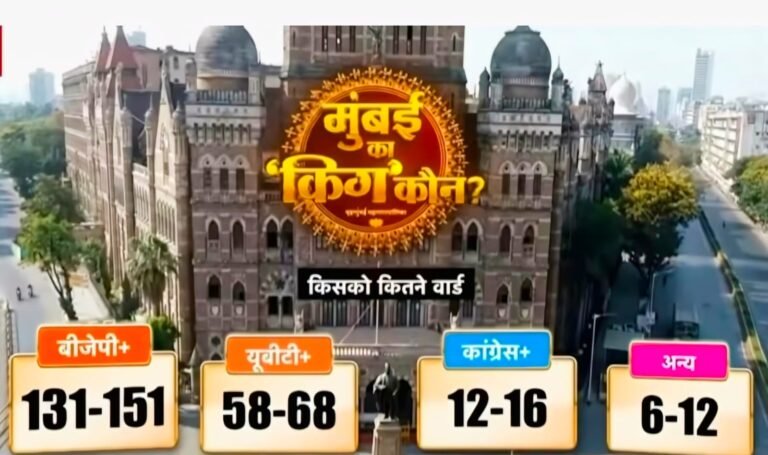
BMC Exit Polls Signal Clear Majority for BJP+, Major Setback for Thackeray Brothers Mumbai | Undercover Editor News Channel, January 15, 2026 Mumbai: Polling for Maharashtra’s 29 municipal corporations, including the high-profile Brihanmumbai Municipal Corporation (BMC), concluded peacefully on Thursday evening. As voting ended, exit polls released by Axis My India have stirred political buzz across Mumbai, suggesting a decisive advantage for the BJP-led Mahayuti alliance and a significant setback for the Thackeray brothers’ joint political experiment. According to the exit poll projections, the BJP+ alliance — comprising the Bharatiya Janata Party and the Eknath Shinde-led Shiv Sena — is poised to secure a comfortable majority in the 227-member BMC. The majority mark stands at 114 seats, and BJP+ is projected to cross this threshold with ease. The final verdict, however, will be known only after counting begins on Friday, January 16. Seat Share Projections As per Axis My India’s estimates, the BJP-led alliance is expected to win between 131 and 151 seats, placing it well above the majority mark. In contrast, the alliance of Shiv Sena (UBT) led by Uddhav Thackeray and the Maharashtra Navnirman Sena (MNS) headed by Raj Thackeray is projected to secure 58 to 68 seats. The Congress, which entered into a last-minute alliance with Prakash Ambedkar’s Vanchit Bahujan Aghadi (VBA), is likely to be restricted to 12 to 16 seats, indicating a limited impact in the civic battle. With nearly 1,700 candidates contesting across all wards, the exit poll numbers suggest a strong possibility of a power shift in India’s richest municipal body. Vote Share Estimates The exit poll indicates that BJP+ has emerged as the single-largest force in terms of vote share, with an estimated 42% of the total votes. The Thackeray brothers’ alliance is projected to receive 32%, while Congress+ and other parties are estimated to have garnered around 13% each. Community-wise Voting Trends A closer look at caste and community-wise trends reveals a mixed picture: These trends indicate that while the Thackeray-led alliance retains strong support among Marathi voters, BJP+ has built a broader cross-community coalition. Class and Profession-Based Trends Exit polls also highlight BJP+’s edge across multiple occupational groups: The Congress alliance remained a distant third across most categories. Women and Youth Back BJP+ Gender-wise trends show BJP+ leading among both women and men voters: The data suggests that BJP+ has emerged as the preferred choice among women and young voters in this election. Thackeray Stronghold Under Threat The BMC has traditionally been a Shiv Sena bastion since 1985, barring a brief exception in the early 1990s. Even in the tightly contested 2017 elections, the undivided Shiv Sena managed to retain the mayor’s post despite a strong BJP challenge. However, this time, exit polls indicate that even the rare political unity between Uddhav Thackeray and Raj Thackeray after nearly two decades may not be enough to retain control over Mumbai’s civic body. Disclaimer: Exit polls are indicative and not final results. Actual outcomes may differ and will be confirmed after the official counting of votes on January 16.
Maharashtra Votes Tomorrow: All You Need to Know About Civic Polls in Mumbai, Pune, Nagpur and 26 Other Cities

Maharashtra Votes Tomorrow: All You Need to Know About Civic Polls in Mumbai, Pune, Nagpur and 26 Other Cities

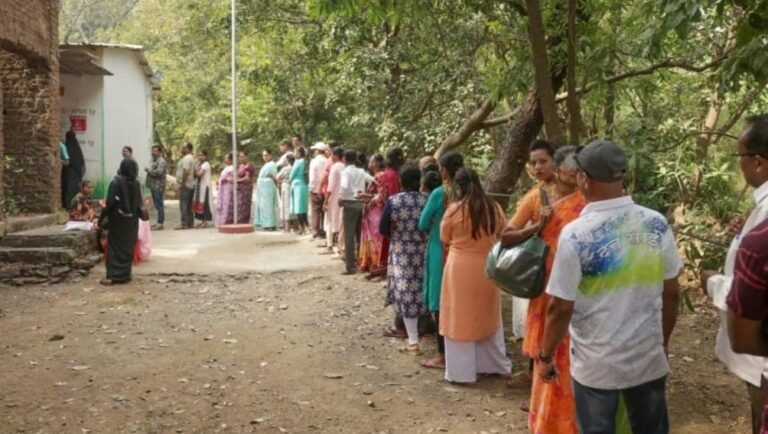
Maharashtra Votes Tomorrow: All You Need to Know About Civic Polls in Mumbai, Pune, Nagpur and 26 Other Cities Mumbai | Undercover Editor News Channel, January 14, 2026 Maharashtra is set for a major political showdown as voters across 29 municipal corporations, including key urban centers like Mumbai, Pune and Nagpur, head to the polls on January 15. With election campaigning ending on Tuesday evening, the stage is now set for a high-stakes civic battle that could significantly reshape the political landscape of the state. At the heart of the contest lies the crucial Brihanmumbai Municipal Corporation (BMC) election, long considered the crown jewel of urban local governance in India. The polls are being closely watched as a test of strength between the ruling Mahayuti alliance—led by the BJP along with Chief Minister Devendra Fadnavis and Deputy CM Eknath Shinde—and the opposition led by Shiv Sena (UBT), for whom the election is being seen as a battle for political survival. Single-Phase Voting on January 15 According to the State Election Commission, voting for all 29 municipal corporations will be held in a single phase on Wednesday, January 15, 2026. Polling will begin at 7:30 am and continue until 5:30 pm. To ensure maximum voter participation, the Commission has declared January 15 a public holiday in all municipal corporation areas where polling is scheduled. Counting on January 16 The counting of votes will take place on January 16, 2026, with early trends expected to emerge from 8:00 am onwards. Final results are likely to be declared later in the day. Voters and political observers can track the results live on the State Election Commission’s official website, while major news platforms and television channels will also provide real-time updates. High Stakes in Mumbai’s BMC Polls The BMC elections will decide the fate of 227 corporator seats, with 114 seats required for a simple majority. The outcome will determine whether the traditional saffron dominance continues in Mumbai or whether opposition forces manage to alter the balance of power. The contest in Mumbai is primarily between the BJP-Shiv Sena (Shinde faction) alliance and the Shiv Sena (UBT), with the Maharashtra Navnirman Sena (MNS) also emerging as a potential factor in select pockets. The Congress and NCP are expected to retain influence in specific regions across the state. Voter Information: What You Need to Know Voters can verify their names on the electoral roll through the official website mahasecvoterlist.in or by using the Voter Helpline App. For voting, the following photo identity documents will be accepted: Civic Polls Across 29 Cities Apart from Mumbai, civic elections are being held in major cities including Pune, Thane, Nagpur, Navi Mumbai, Kalyan-Dombivli, Pimpri-Chinchwad, Nashik, Chhatrapati Sambhajinagar, Solapur, Vasai-Virar, Mira-Bhayandar, Kolhapur, Amravati, Akola, Panvel, Ahmednagar, Jalna, and several others, making this one of the largest coordinated civic exercises in the state’s history. A Crucial Political Test With urban governance, local leadership, and future political equations at stake, the Maharashtra civic polls are being viewed as more than just municipal elections. The results are expected to set the tone for upcoming state-level political battles and offer clear signals about shifting voter sentiments in urban Maharashtra. All eyes will now be on January 15, as Maharashtra’s cities step out to vote and decide who will control their civic bodies for the next term.
नगर निकाय चुनाव: महाराष्ट्र में मुंबई को छोड़कर मतदाताओं को डालने होंगे कई वोट

नगर निकाय चुनाव: महाराष्ट्र में मुंबई को छोड़कर मतदाताओं को डालने होंगे कई वोट

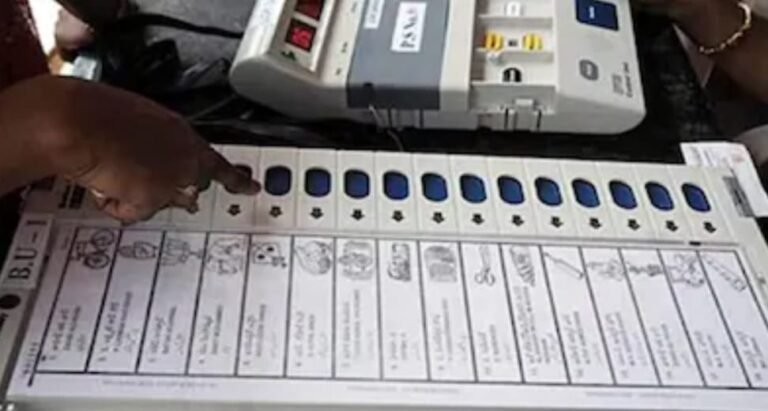
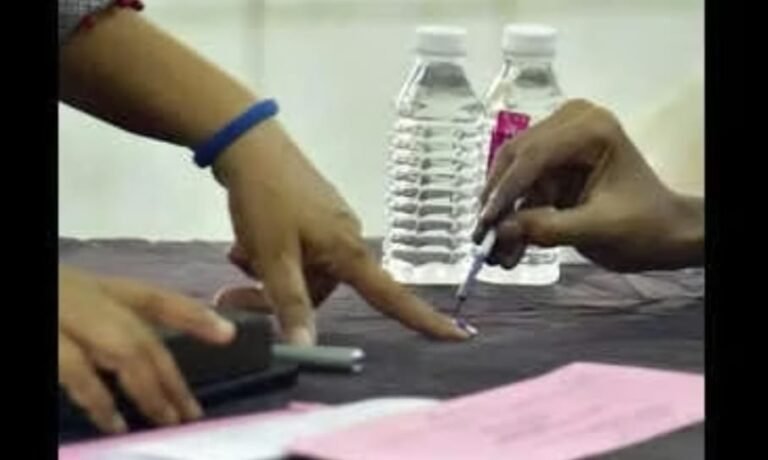
नगर निकाय चुनाव: महाराष्ट्र में मुंबई को छोड़कर मतदाताओं को डालने होंगे कई वोट मुंबई | अंडरकवर एडिटर न्यूज़ चैनल, १३ जनवरी २०२६ मुंबई: महाराष्ट्र में १५ जनवरी को होने वाले नगर निगम चुनाव इस बार मतदाताओं के लिए कुछ अलग अनुभव लेकर आ रहे हैं — लेकिन मुंबई इससे अलग रहेगी। राज्य के २८ शहरों, जिनमें ठाणे, नवी मुंबई, पुणे, नाशिक और कल्याण-डोंबिवली शामिल हैं, में चुनाव तीन या चार सदस्यीय वार्ड प्रणाली के तहत हो रहे हैं। इसका मतलब है कि एक ही वार्ड से तीन या चार नगरसेवक चुने जाएंगे। क्या बदला है? अब मतदाताओं को ईवीएम पर एक नहीं, बल्कि तीन या चार बार बटन दबाना होगा। चुनाव आयोग के अनुसार, सभी वोट डालना अनिवार्य है — अधूरे वोट मान्य नहीं होंगे। वोटिंग की प्रक्रिया कैसे होगी? मतदाता सत्यापन और स्याही लगाने के बाद, मतदान केंद्र के भीतर ईवीएम पर एक से अधिक बैलेट यूनिट लगी होंगी। मशीन सक्रिय होने के बाद मतदाता को क्रम से तीन या चार वोट डालने होंगे। हर वोट की पुष्टि बीप की आवाज और VVPAT पर्ची से होगी। यदि मतदाता किसी सीट पर किसी उम्मीदवार को वोट नहीं देना चाहता, तो वह NOTA का विकल्प चुन सकता है। यह प्रणाली क्यों लागू की गई? चुनाव अधिकारियों का कहना है कि यह प्रणाली घनी आबादी वाले शहरों में बेहतर प्रतिनिधित्व सुनिश्चित करने के लिए लाई गई है। हालांकि, आलोचकों का मानना है कि इससे बड़े दलों को फायदा हो सकता है और मतदाताओं में भ्रम भी पैदा हो सकता है। मुंबई में क्या अलग है? मुंबई पूरे महाराष्ट्र में एकमात्र नगर निगम है, जहां अब भी एक वार्ड–एक नगरसेवक प्रणाली लागू है। यहां मतदाता सिर्फ एक वोट डालेंगे, जैसा पहले होता था। मतगणना मतों की गिनती १६ जनवरी को होगी।
नगर निकाय चुनाव: महाराष्ट्र में मुंबई को छोड़कर मतदाताओं को डालने होंगे कई वोट

Why Voters in Maharashtra Will Cast Multiple Votes in Civic Polls — Mumbai Remains the Only Exception

Why Voters in Maharashtra Will Cast Multiple Votes in Civic Polls — Mumbai Remains the Only Exception Mumbai | Undercover Editor News Channel, January 13, 2026 Mumbai: As Maharashtra gears up for municipal corporation elections on January 15, voters across 28 cities will experience a significantly different voting process this time — except in Mumbai. Cities including Thane, Navi Mumbai, Pune, Nashik and Kalyan-Dombivli are conducting polls under a three- or four-member ward system, a shift from the traditional one-ward-one-corporator format. Under this system, a single ward elects multiple corporators, requiring voters to cast three or four votes during a single visit to the polling booth. What Has Changed? Unlike earlier elections where voters pressed the EVM button once, electors in multi-member wards must now vote separately for each corporator seat. The Election Commission has clarified that all votes are mandatory — voters must cast all three or four votes to complete the process. How Will Voting Work? After voter verification and indelible ink marking, electors will enter the polling booth where multiple ballot units are attached to the EVM due to the large number of candidates. Once activated, voters will be prompted to cast votes one after another. Each vote is confirmed through a beep sound and a VVPAT slip. Voters may choose candidates from the same party, different parties, independents, or select NOTA for any seat if they do not wish to support a candidate. Why Introduce the Multi-Member Ward System? Election officials say the new system aims to ensure broader representation in densely populated urban areas while reducing the number of wards. However, critics argue that it may favour larger political parties and could cause confusion among voters unfamiliar with the format. Why Is Mumbai Different? Mumbai remains the only municipal corporation in Maharashtra continuing with the single-member ward system. Here, each ward elects one corporator, and voters cast only one vote, just like previous elections. Counting of Votes Votes will be counted on January 16, a day after polling.
Crorepati Candidates Dominate Civic Polls Across Mumbai Metropolitan Region

Crorepati Candidates Dominate Civic Polls Across Mumbai Metropolitan Region

Crorepati Candidates Dominate Civic Polls Across Mumbai Metropolitan Region Kalyan / Navi Mumbai / Panvel | Undercover Editor News Channel, January 2026 As the Mumbai Metropolitan Region (MMR) heads into crucial municipal corporation elections on January 15, a striking trend has emerged across major civic bodies — a sharp rise in crorepati candidates contesting local body polls, cutting across party lines. An analysis of candidates’ affidavits filed before the elections reveals that more than half of the contestants in Kalyan-Dombivli, Navi Mumbai and Panvel municipal corporations are crorepatis, with several declaring assets exceeding ₹100 crore. The data highlights the growing influence of wealth, particularly from the real estate and infrastructure sectors, in grassroots politics. Kalyan-Dombivli: Real Estate Wealth Takes Centre Stage In the Kalyan-Dombivli Municipal Corporation (KDMC), three candidates have declared assets worth more than ₹100 crore, drawing attention to the increasing dominance of affluent candidates in civic governance. Shiv Sena candidate Ravindra Patil, contesting from Ward No. 29 in Dombivli, has emerged as the richest candidate in the KDMC polls, declaring assets worth ₹182.56 crore. Notably, Patil had declared assets of around ₹95 crore during the 2015 civic elections, indicating that his wealth has nearly doubled over the past decade. The second richest candidate in KDMC is Shiv Sena’s Shalini Sunil Wayle, contesting from Ward No. 2 in Kalyan West, with declared assets of ₹140.77 crore. In the previous election, her assets stood at approximately ₹105 crore, largely comprising ancestral immovable properties. The third on the list is Saroj Rai, wife of businessman and former BJP corporator Manoj Rai, who has declared combined family assets worth ₹122 crore. Election data further shows that over half of the KDMC candidates are crorepatis, while only a small fraction have assets below ₹1 crore, underscoring the widening economic gap among those contesting civic polls. Navi Mumbai: Nearly Half the Candidates Are Crorepatis In the Navi Mumbai Municipal Corporation (NMMC), the trend is equally prominent. Of the total 499 candidates, as many as 226 have declared assets exceeding ₹1 crore. Congress candidate Santosh Shetty from Nerul tops the wealth chart in Navi Mumbai, with declared assets of ₹100 crore. Shiv Sena’s Navi Mumbai chief Kishore Patkar follows closely, with assets worth ₹93 crore, primarily from the real estate sector. Another standout is the Gavte family from Digha, where three family members — Navin, Aparna and Deepa Gavte — are contesting the elections with a combined declared wealth of ₹306 crore, making them one of the wealthiest political families in the region. Several other prominent crorepati candidates include BJP’s Ravindra Ithape (₹75 crore), Shiv Sena’s Namdev Bhagat (₹56 crore) and Mandakini Mhatre (₹44 crore), BJP’s Netra Shirke (₹37 crore) and Suresh Shetty (₹25 crore), along with Shiv Sena’s M.K. Madhavi (₹24 crore). Panvel: BJP Candidates Lead the Wealth Charts In the Panvel City Municipal Corporation (PCMC) area, BJP candidates dominate the list of wealthy contenders. Iqbal Kazi declared assets worth ₹171 crore, while Madhu Patil from Kharghar reported assets exceeding ₹140 crore. Five more BJP candidates — Chandrakant Soni, Santosh Shetty, Dashrath Mhatre, Mamta Mhatre and a candidate from Kalamboli — declared assets ranging from ₹18 crore to ₹44 crore. Among other parties, Peasants and Workers Party (PWP) candidates Arvind Mhatre and Dilip Kadam declared assets worth ₹37.88 crore and ₹10.45 crore respectively. Money Power and Civic Politics Political observers note that the growing presence of crorepati candidates reflects the increasing role of money power in local governance, especially in rapidly urbanising regions like MMR, where real estate, transport and infrastructure businesses play a major role. As voters prepare to cast their ballots, the elections raise larger questions about representation, transparency, and the widening gap between elected representatives and ordinary citizens in urban civic administration.

Sanjay Raut attacks BJP’s Annamalai over remark on Mumbai, demands arrest

Sanjay Raut attacks BJP’s Annamalai over remark on Mumbai, demands arrest

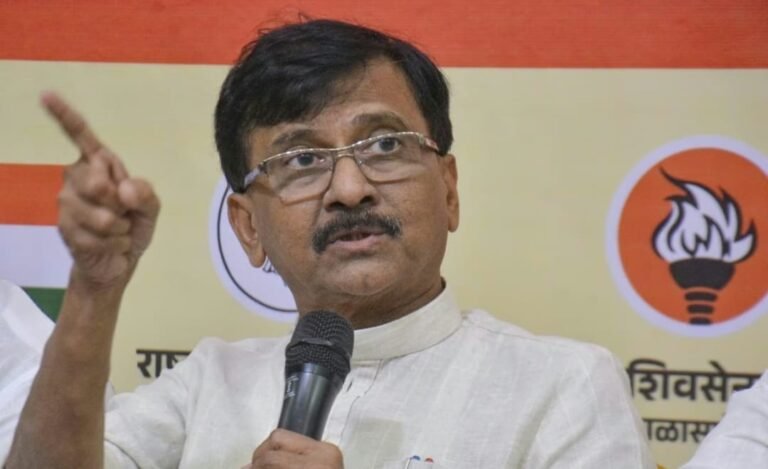
Sanjay Raut attacks BJP’s Annamalai over remark on Mumbai, demands arrest Mumbai | Undercover Editor News Channel, January 11, 2026 Shiv Sena (UBT) MP Sanjay Raut on Saturday strongly criticised BJP leader K. Annamalai for his controversial remark that Mumbai is “not a Maharashtra city”, demanding that a case be registered against him and that he be arrested for making what Raut termed an insult to Maharashtra’s capital. Addressing reporters in Mumbai, Raut said Annamalai’s statement was unacceptable and hurt the sentiments of Maharashtrians. “How can anyone speak like this about Mumbai, which is the capital of Maharashtra? The Chief Minister should immediately file a case against him and have him arrested. He should not be allowed to leave Mumbai,” Raut said. Annamalai, who is campaigning for the upcoming Brihanmumbai Municipal Corporation (BMC) elections scheduled for January 15, had said on Friday that Mumbai was an “international city” and not just a city of Maharashtra. His remark quickly triggered political outrage across parties. Raut pointed out that Annamalai is a star campaigner for the BJP and questioned whether his statement reflected the party’s official stand. He also demanded that Chief Minister Devendra Fadnavis clarify his position on the issue. Taking aim at the Eknath Shinde-led Shiv Sena, Raut accused the BJP’s ally of remaining silent despite what he described as an attack on Maharashtra’s pride. “Where is your self-respect?” he asked, targeting the Shinde faction. Reacting to the controversy, state BJP minister Chandrashekhar Bawankule sought to play down the remarks, saying statements made during speeches are often misunderstood. “It is necessary to understand what exactly he meant before drawing conclusions,” Bawankule said. Meanwhile, the Shinde-led Shiv Sena distanced itself from Annamalai’s comment. Party leader and minister Deepak Kesarkar asserted that Mumbai is an inseparable part of Maharashtra and belongs to the Marathi people. “Mumbai is Maharashtra’s capital and India’s financial hub. Its identity should remain intact. Such statements should not be made,” Kesarkar said. The controversy has added heat to the already charged atmosphere ahead of the BMC elections, with political parties trading sharp words over identity, governance and control of the country’s financial capital.
BJP Seeks Narco Test of Former Mumbai Police Chief Sanjay Pandey Over Alleged Plot Against CM Fadnavis

BJP Seeks Narco Test of Former Mumbai Police Chief Sanjay Pandey Over Alleged Plot Against CM Fadnavis

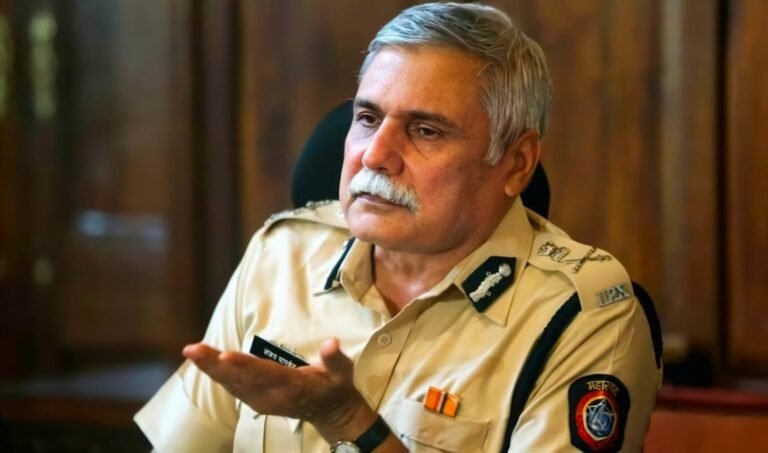
BJP Seeks Narco Test of Former Mumbai Police Chief Sanjay Pandey Over Alleged Plot Against CM Fadnavis Mumbai | Undercover Editor News Channel, January 10, 2026 Mumbai: The political temperature in Maharashtra escalated on Saturday after Mumbai BJP president Ameet Satam demanded a narcoanalysis test of former Mumbai Police Commissioner Sanjay Pandey, alleging his involvement in a conspiracy to falsely implicate Chief Minister Devendra Fadnavis during the tenure of the Maha Vikas Aghadi (MVA) government. Addressing the media, Satam claimed that during the Uddhav Thackeray-led MVA regime, there was a systematic misuse of the police machinery to target political opponents. He alleged that Sanjay Pandey was instructed to orchestrate the arrest of Devendra Fadnavis—then the Leader of the Opposition—on fabricated charges, and that this task was delegated to two senior police officers. According to Satam, officers identified as Laxmikant Patil and Sardar Patil were allegedly pressured to “manufacture a case” against Fadnavis. He said these allegations find mention in a confidential report submitted by former Director General of Police Rashmi Shukla to the state government shortly before her retirement. “Given the gravity of these revelations, a narco test of Sanjay Pandey is essential to uncover who was giving instructions and who the real mastermind behind this conspiracy was,” Satam said, asserting that the truth must be placed before the public. Drawing parallels with previous controversial episodes during the MVA regime, Satam cited cases involving police officers such as Sachin Waze, alleging a broader pattern of lawlessness and political interference within the police force at the time. He claimed that serious crimes occurred with the alleged involvement of police personnel, raising questions about governance and accountability. Satam also pointed out that Pandey himself had faced enforcement action in the past, including arrest by the Enforcement Directorate in connection with the NSE phone-tapping case, and is currently out on bail. “These matters are still under judicial consideration, but they add to the seriousness of the allegations,” he said. The BJP leader urged the state government to order a comprehensive probe into the matter, stressing that no individual, irrespective of rank or past position, should be above scrutiny. The allegations come amid heightened political activity ahead of civic and local body elections in Maharashtra, with the BJP sharpening its attack on the opposition over issues of governance, law enforcement, and alleged abuse of power during the previous regime.
Maharashtra Civic Polls: Candidates Go Digital, WhatsApp Emerges as Key Tool for Ward-Level Outreach

Maharashtra Civic Polls: Candidates Go Digital, WhatsApp Emerges as Key Tool for Ward-Level Outreach

Maharashtra Civic Polls: Candidates Go Digital, WhatsApp Emerges as Key Tool for Ward-Level Outreach Mumbai | Jan 5, 2026 — Undercover Editor Mumbai: As Maharashtra’s civic elections approach, the traditional sounds of door-to-door campaigning and street-corner rallies are increasingly being replaced by smartphone notifications. Candidates across parties are turning to digital outreach, with WhatsApp emerging as the most powerful tool for ward-level voter engagement. While earlier elections saw heavy reliance on platforms like Facebook and Instagram, the current campaign cycle has marked a clear shift towards WhatsApp for more direct, personal, and targeted communication. Candidates are creating multiple ward-specific WhatsApp groups, each comprising 300 to 400 voters, carefully selected to include local influencers, housing society representatives, youth volunteers, and community leaders. These groups are being used not only to share campaign updates, nomination details, and rally schedules, but also to communicate development promises and receive real-time feedback from residents. Congress functionary Brian Miranda, campaigning in Kalina for his wife Tulip Miranda, who is seeking a second term, said social media — especially WhatsApp — has become essential to reaching voters efficiently. He explained that core party workers are assigned specific buildings and slum pockets to collect feedback and identify local issues. “Wherever required, we personally reach out and address voters directly,” he said. Congress MLA Amin Patel noted that ward-level WhatsApp groups already exist in his constituency to share updates on civic works and local events. “During elections, these platforms are now being actively used to strengthen outreach and support for party candidates,” he said. Former Congress corporator Javed Juneja added that while social media helps in visibility, WhatsApp enables deeper engagement. “Communication on WhatsApp is direct and personal, which makes a real difference during elections,” he said. First-time Shiv Sena (UBT) candidate Akshata Ryan Menezes, contesting from Bandra West, said physical outreach remains the foundation of campaigning. “Once door-to-door interactions are done, WhatsApp helps us continue conversations with voters and stay connected,” she said. The seat was previously won by the Congress in 2017. AAP Mumbai working president Ruben Mascrehenas described WhatsApp as the most critical communication tool in modern elections. He pointed out that younger voters have largely moved away from Facebook, while Instagram engagement remains limited to short-form content. “WhatsApp allows sustained and meaningful engagement because messages reach people directly whose numbers are already saved,” he said. Political observers believe this shift to WhatsApp mirrors traditional grassroots campaigning, enabling candidates to maintain continuous, focused, and personalised contact with voters right up to polling day. — Undercover Editor News Channel
Maharashtra Civic Polls Turn High-Voltage: 15,931 Candidates in Fray, BMC Becomes State’s Biggest Political Battlefield

Maharashtra Civic Polls Turn High-Voltage: 15,931 Candidates in Fray, BMC Becomes State’s Biggest Political Battlefield

Maharashtra Civic Polls Turn High-Voltage: 15,931 Candidates in Fray, BMC Becomes State’s Biggest Political Battlefield Mumbai | Jan 4, 2026 — Undercover Editor Mumbai: Maharashtra is heading into one of its most competitive civic elections in recent times, with 15,931 candidates contesting for 2,869 seats across 29 municipal corporations. The polls are scheduled for January 15, following widespread nomination withdrawals that significantly reshaped the political contest. As per data released by the State Election Commission (SEC), a total of 33,427 nominations were filed across the state. After scrutiny, 24,771 nominations were found valid, but 8,840 candidates later withdrew, bringing down the final number of contenders. The Brihanmumbai Municipal Corporation (BMC) remains the biggest political battlefield, with 227 seats and around 1,700 candidates competing. The scale of the contest highlights Mumbai’s central role in Maharashtra’s civic and political landscape. Other major cities such as Pune and Nashik are also witnessing intense competition. Nashik recorded the highest number of withdrawals (661), followed by Chhatrapati Sambhajinagar (552) and Solapur (532). On the other hand, Panvel reported the lowest withdrawals, with only 88 candidates opting out. Smaller municipal corporations reflect relatively lower contest volumes. Ichalkaranji, with 65 seats and 230 candidates, is among the least crowded races. Political analysts say that more than 35% of valid candidates withdrawing points to strategic adjustments, including pressure from senior party leaders, seat-sharing negotiations, and tactical alliances formed before the final deadline. Overall, the elections show an average of 5.55 candidates per seat across Maharashtra. However, Mumbai (BMC) and Chhatrapati Sambhajinagar lead in competition intensity, indicating a strong presence of independent candidates and internal party dynamics. As campaigning intensifies, the civic polls are expected to have a significant impact on urban governance and future political alignments across Maharashtra. — Undercover Editor News Channel  

Recent News

Undercover Editor

From BMC updates, local area developments, railway station news, and crime reports to the latest in politics, sports, Bollywood, lifestyle, travel, and education, we bring you news that’s relevant, reliable, and real-time


Undercover Editor © 2025 – Designed by iCreato