श्रेणी: Mumbai

Contrary to popular belief, Lorem Ipsum is not simply random text. It has roots in a piece of classical Latin literature from 45 BC, making it over 2000 years old. Richard McClintock, a Latin professor

Four Arrested for Posing as Lawrence Bishnoi Gang Members, Demanding ₹30 Lakh from Mumbai Jeweller

Four Arrested for Posing as Lawrence Bishnoi Gang Members, Demanding ₹30 Lakh from Mumbai Jeweller

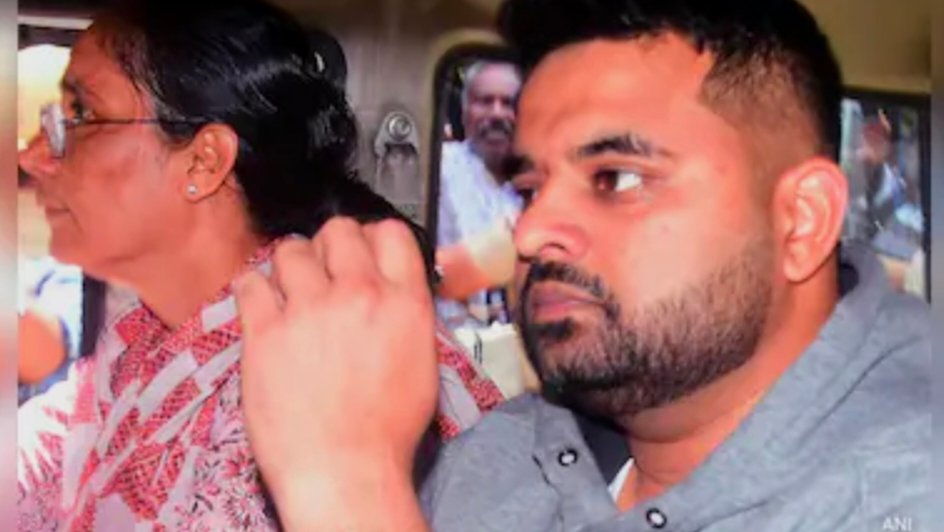
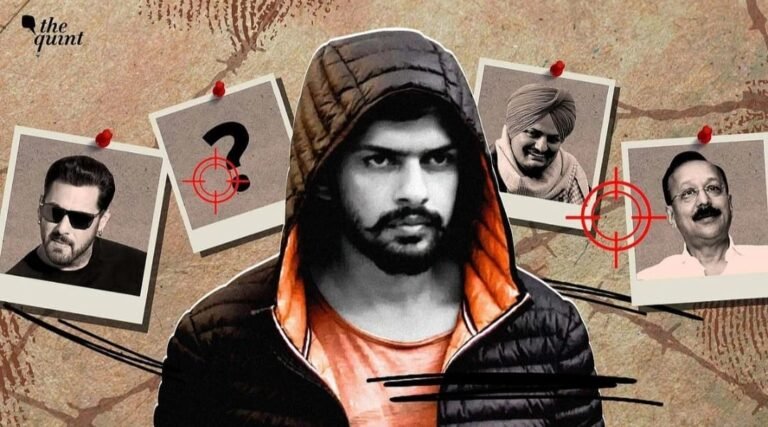
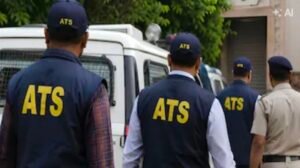
Four Arrested for Posing as Lawrence Bishnoi Gang Members, Demanding ₹30 Lakh from Mumbai Jeweller Mumbai | Undercover Editor News Channel, February 25, 2026 Mumbai: In a swift and coordinated operation, Mumbai Police arrested four men for allegedly posing as members of the Lawrence Bishnoi gang and attempting to extort ₹30 lakh from a Borivali-based jeweller through threatening calls and messages. Police have confirmed that the accused have no connection with the actual Bishnoi gang. The accused — Riyazuddin Bashir (29), Mohammad Fayaz Mansuri (27), Mohammad Ashraful (36), and Mohammad Arbaz Ansari (27) — are residents of Wasseypur in Jharkhand. They were apprehended late Tuesday night from different locations in Mahim, Bandra and Jogeshwari after police laid a trap to catch them red-handed. Threats Referenced High-Profile Killing According to investigators, the jewellery store first received a threatening message from an international number on February 18, demanding ₹30 lakh as “firauti” (ransom) in the name of the Lawrence Bishnoi gang. The message warned that failure to pay would result in the jeweller meeting “the same fate as Baba Siddique,” referencing a recent high-profile killing. The following day, the store received WhatsApp calls from another international number. The caller allegedly dared staff members to record the conversation while reiterating death threats and claiming that no one in Borivali would be able to save them. When the calls went unanswered later, fresh messages warned that the jeweller and his family would soon be gunned down. Initially, the threats were not taken seriously. However, when new messages arrived on February 21 in the early hours of the morning, the store staff engaged with the caller, negotiating the amount and requesting bank details. Acting on the jeweller’s instructions, a police complaint was subsequently lodged. Police Laid Trap Mumbai Police devised a plan, asking the jeweller to pretend he was willing to pay in gold coins. When the accused arrived to collect the supposed payment, they were apprehended. Investigators later revealed that the suspects had been involved in similar extortion and threat cases registered in Vile Parle and DN Nagar, which have now been solved following their arrest. Officials said the accused used internet-based international numbers to mask their identities and create panic by invoking the name of a notorious criminal syndicate. Investigation Underway Police are now probing whether the group is linked to a larger extortion racket targeting businessmen by exploiting fear associated with organised crime networks. Digital evidence, including call records and financial trails, is being examined. Authorities have urged business owners not to ignore threat messages and to immediately inform police, assuring swift action against such criminal intimidation attempts. Further investigation is underway.
Mumbai Footpaths Cleared as BMC Intensifies Anti-Encroachment Drive; Commissioner Conducts Surprise Inspection in Dadar

Mumbai Footpaths Cleared as BMC Intensifies Anti-Encroachment Drive; Commissioner Conducts Surprise Inspection in Dadar

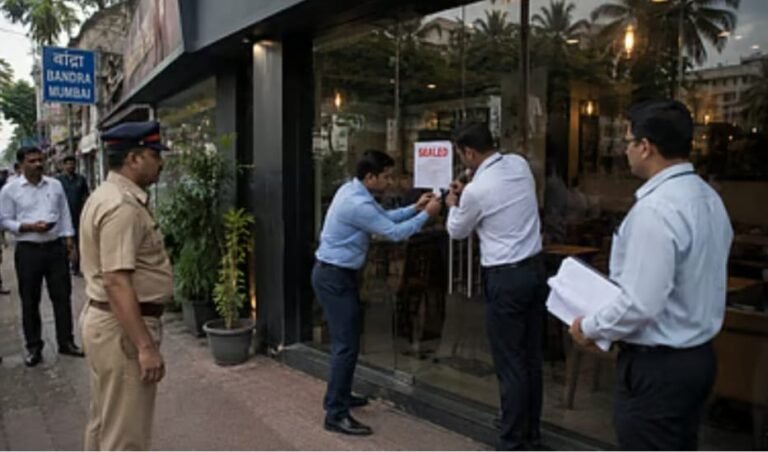
Mumbai Footpaths Cleared as BMC Intensifies Anti-Encroachment Drive; Commissioner Conducts Surprise Inspection in Dadar Mumbai | Undercover Editor News Channel, February 24, 2026 Mumbai: In a renewed push to restore pedestrian rights and ease chronic traffic congestion, the Brihanmumbai Municipal Corporation (BMC) has intensified its drive against unauthorised hawkers and illegal encroachments across the city. As part of the ongoing enforcement action, Bhushan Gagrani, Commissioner of the BMC, conducted a surprise inspection in Dadar and surrounding areas on Monday. The inspection covered multiple civic jurisdictions, including F South Ward, F North Ward and G North Ward, which have historically faced heavy congestion due to illegal hawking and encroachments on footpaths and roads. On-Ground Review of Enforcement During the surprise visit, Commissioner Gagrani personally reviewed the progress of eviction operations and inspected several previously congested stretches. Civic officials briefed him on recent actions undertaken to remove unauthorised stalls, roadside vendors and temporary structures that had been obstructing pedestrian movement and vehicular traffic. The Commissioner also interacted directly with local residents, shopkeepers and traders. Many citizens welcomed the crackdown, noting that cleared footpaths have significantly improved walkability and reduced traffic snarls in the area. Pedestrians, especially senior citizens and schoolchildren, expressed relief at being able to walk safely without being forced onto busy roads. Some traders, while acknowledging the importance of maintaining public order, raised concerns regarding long-term policy clarity and possible rehabilitation mechanisms for affected hawkers. Restoring Civic Discipline Senior civic officials reiterated that the drive is being conducted strictly in line with court directives and is aimed at restoring civic discipline rather than penalising livelihoods. The focus, they said, is on ensuring unobstructed footpaths, smoother traffic flow and the protection of public spaces meant for common use. Commissioner Gagrani appealed to citizens to cooperate with the civic administration and support lawful measures to keep public spaces free from encroachments. He stressed that strict action against illegal constructions and unauthorised hawking would continue across Mumbai wherever violations are found. Senior Officials Accompany Commissioner Deputy Municipal Commissioners Prashant Sapkale and Vinayak Vispute, along with assistant commissioners, engineers and ward-level officers, accompanied the Commissioner during the inspection. Officials confirmed that follow-up inspections will be conducted to ensure that cleared areas remain free from re-encroachment. The renewed enforcement drive signals the BMC’s intent to sustain momentum in reclaiming public spaces, even as it seeks to balance the concerns of small traders with the larger public interest in one of India’s most densely populated metropolitan cities.
Board Exams Begin Amid Rising Heat in Mumbai; Doctors Urge Students to Take Extra Health Precautions

Board Exams Begin Amid Rising Heat in Mumbai; Doctors Urge Students to Take Extra Health Precautions

Board Exams Begin Amid Rising Heat in Mumbai; Doctors Urge Students to Take Extra Health Precautions Mumbai: As the Class 10 and Class 12 board examinations begin across Maharashtra, students in Mumbai are grappling with an additional challenge — an early and intense rise in temperatures. With summer setting in sooner than expected, doctors are raising concerns over the health risks faced by students travelling to examination centres during peak daytime heat. Medical professionals across the city have reported a noticeable increase in cases of dehydration, heat exhaustion, headaches, dizziness, vomiting, and gastrointestinal infections over the past week. Experts say long commuting hours, overcrowded public transport, exam-related stress, and inadequate food and fluid intake are significantly worsening the situation for adolescents appearing for crucial examinations. Dr Jinendra Jain, Internal Medicine Expert at Wockhardt Hospitals, warned that dehydration is emerging as a major concern during the ongoing heatwave. “During extreme heat, the body loses fluids rapidly. Many students skip meals due to exam anxiety, which further increases the risk of dehydration. This can lead to fatigue, poor concentration, dizziness and even heat exhaustion. Students must stay well hydrated and avoid stepping out on an empty stomach,” he said. Echoing similar concerns, Dr Chirag Shah, Physician and Internal Medicine Expert from Apex Group of Hospitals, said hospitals are witnessing a spike in heat-related ailments among young patients. “We are seeing more cases of viral fever, stomach infections and dehydration. Students should strictly avoid outside junk food, maintain personal hygiene and ensure adequate sleep. Parents should watch out for warning signs such as persistent headaches, nausea, muscle cramps or unusual tiredness,” he advised. Dr Shah further explained that even mild dehydration can significantly impact cognitive function. “Lack of adequate fluids affects concentration, memory and exam performance. Students should sip water regularly, even if they don’t feel thirsty,” he added. Health experts recommend that students carry water bottles to examination centres wherever permitted. Oral rehydration solutions, coconut water and homemade lemon water are advised to maintain electrolyte balance. Wearing loose, light-coloured cotton clothing and using umbrellas or caps while travelling can help reduce heat exposure. Doctors have also urged schools and examination centres to ensure proper ventilation, availability of drinking water and shaded waiting areas to protect students from extreme heat conditions. With board examinations being a critical milestone in students’ academic journeys, medical professionals stress that health must remain a top priority. Adequate hydration, balanced nutrition and sufficient rest can play a vital role in preventing heat-related illnesses and helping students remain focused and safe throughout the examination period. Citizens are advised to seek prompt medical consultation if symptoms persist or worsen.
Dharavi Redevelopment Gets Major Push as Maharashtra Govt Hands Over 118 Acres in Malad

Dharavi Redevelopment Gets Major Push as Maharashtra Govt Hands Over 118 Acres in Malad

Dharavi Redevelopment Gets Major Push as Maharashtra Govt Hands Over 118 Acres in Malad Mumbai | Breaking Development In a major boost to the ambitious Dharavi Redevelopment Project, the Government of Maharashtra has handed over possession of 118 acres of land in Malad–Malvani to the Slum Rehabilitation Authority (SRA) for the rehabilitation of Dharavi residents. The land parcel, located at Mukteshwar in Malad, will be used to resettle residents who are not eligible for in-situ rehabilitation within Dharavi. Confirming the development, Mumbai Suburban District Collector Saurabh Katiyar said the land has been formally transferred to the Dharavi Redevelopment Project (DRP). Sources revealed that while 140 acres were originally earmarked at Mukteshwar, 22 acres remain under litigation, and the remaining 118 acres have now been cleared for immediate use. The redevelopment project is being executed by Adani Group through its special purpose vehicle Navbharat Mega Developers Pvt Ltd (NMDPL), a joint venture in which the Maharashtra government also holds a stake. While ownership of the land will remain with the SRA, NMDPL will hold development rights. The land is estimated to be worth around ₹540 crore, against which NMDPL has already paid ₹135 crore as a development premium. According to officials, the Malad site will rehabilitate residents living on upper floors and those who settled in Dharavi between January 1, 2011, and November 15, 2022—categories not eligible for on-site housing within Dharavi. A portion of the land will also be used for constructing sale-component housing that will be offered in the open market. As part of the larger plan, the state government has identified nearly 540 acres across the Mumbai Metropolitan Region—including land in Kurla, Kanjur, Bhandup, Mulund, and parts of the Deonar dumping ground—to facilitate large-scale rehabilitation. The project aims to construct 1.25 to 1.5 lakh new homes, benefitting nearly 10 lakh Dharavi residents. Under Maharashtra’s Slum Rehabilitation Act, every eligible resident will receive a 350 sq. ft. rehabilitation unit, larger than the standard 300 sq. ft. units offered in other projects. Residents found ineligible for permanent housing within Dharavi will be relocated to rental housing complexes outside the area under a hire-purchase model. Awarded to the Adani Group in November 2022 with an initial investment commitment of ₹5,069 crore, the Dharavi Redevelopment Project is being described as one of the world’s largest urban rejuvenation initiatives. NMDPL has a seven-year deadline to complete rehabilitation housing, while the state has set an overall 17-year timeline to fully transform Dharavi into a modern, planned urban township.
Gopal Shetty Demands ‘OC for All’ as Thousands of Mumbai Buildings Remain Without Legal Certification

Gopal Shetty Calls for ‘OC for All’ Policy to End Civic Hardships in Mumbai

Gopal Shetty Calls for ‘OC for All’ Policy to End Civic Hardships in Mumbai Mumbai | Undercover Editor News Channel, February 20, 2026 Former BJP Member of Parliament Gopal Shetty has urged the Brihanmumbai Municipal Corporation (BMC) to grant Occupation Certificates (OCs) to all residential and commercial buildings across Mumbai, citing widespread civic and legal hardships faced by residents due to long-pending approvals. In a representation to the BMC Commissioner, Shetty highlighted that thousands of buildings in Mumbai continue to function without valid OCs, leaving occupants burdened with higher water charges, difficulty in securing home and business loans, and ongoing legal uncertainty over property ownership and redevelopment rights. While the government has introduced regularisation schemes to issue OCs for certain categories of buildings, Shetty pointed out that these initiatives remain limited in scope and exclude a large number of structures. He strongly advocated for an inclusive “OC for All” policy that removes floor-area restrictions and applies uniformly to both residential and commercial properties. “Residents are being punished for procedural delays beyond their control,” Shetty said, stressing that the absence of occupation certificates directly affects access to basic services such as water and electricity connections, property tax regularisation, and redevelopment approvals. The former MP also proposed revising the existing datum line used for eligibility under OC regularisation schemes. Currently fixed at 1962, Shetty suggested updating it to at least the year 2000 to bring more old and occupied buildings under the legal framework and provide long-overdue relief to residents. A delegation of Bharatiya Janata Party leaders, including BJP BMC group leaders and district-level office bearers, accompanied Shetty during the meeting with civic officials, pressing for urgent administrative action on the matter. The demand comes amid growing frustration among Mumbai residents who argue that lack of occupation certificates has turned into a systemic issue, impacting daily life and long-term urban planning. Civic authorities are yet to issue an official response to the proposal
Ritu Tawde to Take Charge as Mumbai’s 8th Woman Mayor

Ritu Tawde to Take Charge as Mumbai’s 8th Woman Mayor

Ritu Tawde to Take Charge as Mumbai’s 8th Woman Mayor Mumbai | Undercover Editor News Channel, February 10, 2026 Mumbai: BJP corporator Ritu Tawde is poised to assume office as Mumbai’s next mayor after being elected unopposed in the Brihanmumbai Municipal Corporation (BMC), marking a historic shift in the city’s civic power structure. Her formal election, scheduled for Wednesday at noon, will make her Mumbai’s eighth woman mayor and bring an end to the Shiv Sena’s uninterrupted 25-year control of the mayoral post. Tawde’s elevation also marks the Bharatiya Janata Party’s return to the mayor’s office after more than 40 years—the last BJP mayor in Mumbai being Prabhakar Pai, who served during 1982–83. The development reflects the growing dominance of the Mahayuti alliance in the country’s richest civic body. The unopposed victory followed the decision of the Uddhav Thackeray-led Shiv Sena (UBT) not to field a candidate against Tawde. The move reportedly came after internal deliberations at party chief Uddhav Thackeray’s residence, acknowledging the numerical strength of the ruling alliance in the 227-member corporation. Former mayor and Sena (UBT) leader Kishori Pednekar said the decision was taken while respecting Marathi identity and the prevailing political arithmetic in the BMC. Alliance Power Consolidation Under the Mahayuti arrangement, the deputy mayor’s post will go to Sanjay Ghadi of the Eknath Shinde-led Shiv Sena. Ghadi, a corporator from Ward No. 5, will serve a 15-month tenure, after which the position will be rotated to give opportunities to other corporators within the alliance. The mayor’s term will be for two and a half years. Ritu Tawde, 53, filed her nomination at the municipal secretary’s office in the presence of senior Mahayuti leaders, including Minister Mangal Prabhat Lodha and BJP Mumbai unit chief Ameet Satam. Speaking to reporters, Tawde struck a humble note, stating that she would function as a “sevak of Mumbai” rather than merely occupying a ceremonial post. “My priority will be the safety, development and quality of life of Mumbai’s citizens. I see this responsibility as service, not power,” she said. Civic Experience and Political Journey A two-time corporator from Ghatkopar East, Tawde was first elected in 2012 and went on to chair the BMC’s Education Committee, where she raised several issues related to infrastructure, civic amenities and public safety. Though she lost the 2017 civic elections, she made a comeback in the latest polls, securing 19,810 votes from her ward. BJP leaders have underscored the symbolic significance of her election. Ameet Satam said the Mahayuti government is committed to a corruption-free civic administration. “The BMC must be freed from corruption that flourished under previous regimes. Ritu Tawde will lead Mumbai on the path of transparent and accountable governance,” Satam said, adding that the alliance had fulfilled its campaign promise of appointing a Marathi and Hindu mayor. Political Reactions and Opposition Criticism While the ruling alliance celebrated the smooth and uncontested outcome, opposition voices raised objections. The NCP (Sharad Pawar faction) criticised the BJP’s choice, pointing out that Tawde was previously associated with the Congress. NCP (SP) spokesperson Clyde Crasto said the decision had demoralised long-time BJP corporators. “By selecting a former Congress leader as mayor, the BJP has overlooked loyal party workers who have dedicated years of service,” he said. BMC: Symbolism and Scale Though the mayor’s post in Mumbai is largely ceremonial, it carries immense political and symbolic significance in a city where civic administration and identity politics often intersect. The BMC has been under a state-appointed administrator since March 2022 following the expiry of the previous term. With a budget of ₹74,450 crore for 2025–26—larger than the budgets of several Indian states—the BMC remains India’s most powerful municipal body. The mayor’s post was reserved for a woman from the open category following a lottery draw last month. While Tawde and Sion corporator Rajeshree Shirwadkar were considered potential candidates, the Mahayuti kept its decision confidential until the final day, ensuring an uncontested election. No opposition nominations were filed before the February 11 withdrawal deadline. A New Chapter for Mumbai Ritu Tawde’s unopposed election not only signals the BJP’s return to the mayoral office after four decades but also cements the Mahayuti alliance’s firm grip on Mumbai’s civic politics. As the city prepares for a transition after nearly three decades of Shiv Sena dominance, Tawde’s tenure is being closely watched for how effectively symbolic leadership translates into tangible civic outcomes. “I will work as a servant of Mumbai, not as its ruler,” Tawde reiterated, signalling the tone she intends to set as the city enters a new phase of municipal governance.
औपनिवेशिक अभिजात वर्ग से जनप्रतिनिधियों तक: मुंबई के नगरसेवकों का विकास

From Colonial Elites to People’s Representatives: The Evolution of Mumbai’s Corporators

From Colonial Elites to People’s Representatives: The Evolution of Mumbai’s Corporators Mumbai | Undercover Editor News Channel, February 08, 2026 Mumbai: The role of corporators in Mumbai has undergone a remarkable transformation over the last 150 years — from an elite, colonial institution dominated by a privileged few to a fully democratic system of elected representatives serving the city’s diverse population. The journey began on July 26, 1875, when the first elections to the then Bombay Municipal Corporation were held. Only about 1,200 citizens were eligible to vote, representing a mere fraction of the city’s population. Voting rights were restricted to tax-paying residents, effectively limiting political participation to wealthy elites. As a result, the 64 councillors elected at the time largely came from influential and affluent sections of society. Colonial Foundations and Limited Democracy The Municipal Corporation was formally established in 1872 under the Bombay Act. Initially, all 64 councillors were nominated by the British government or High Court judges. Later reforms allowed half of them to be elected, but suffrage remained restricted to “rate payers” who paid a minimum annual tax. In 1872, fewer than 4,000 people — just 0.6% of Mumbai’s population — were eligible to vote. Despite the limited franchise, prominent figures such as Dadabhai Naoroji, Pherozeshah Mehta and Vishwanath Narayan Mandlik played key roles in shaping early civic governance, advocating gradual reforms and greater representation. Post-Independence Reforms and Wider Participation True democratisation of Mumbai’s civic body gained momentum in the decades following Independence. In 1922, voting rights were extended to tenants, significantly expanding the electorate. A major milestone came in 1952 when the system of nominated councillors was abolished, making the Corporation fully elected. In 1931, the post of President was renamed Mayor, symbolising a shift towards democratic governance, though the position largely remained ceremonial. In 1956, Mumbai elected its first woman Mayor, Sulochana Modi, reflecting a slow but steady move toward inclusivity. Rise of Mass Politics and the ‘Nagarsevak’ The late 1960s marked another turning point when local body elections were brought under the supervision of an election commission. Municipal councillors came to be known as Nagarsevaks, reinforcing their role as servants of the people. The decades that followed saw growing political mobilisation, driven by labour movements, social activism and the emergence of middle-class leadership. Mumbai’s civic politics increasingly reflected the aspirations of ordinary citizens rather than elite interests. By the 1980s, multiple political parties had established a strong presence within the Brihanmumbai Municipal Corporation (BMC). Greater Representation and Structural Changes Further reforms strengthened democratic representation. Seats were reserved for women and marginalised communities, ensuring broader participation in civic decision-making. Attempts were also made to empower elected representatives through structural changes such as the brief introduction of the Mayor-in-Council system in 1998, although it was later withdrawn due to governance concerns. Today, Mumbai’s corporators play a crucial role in civic administration — coordinating development works, raising public issues, serving on key committees, and acting as a bridge between citizens and the municipal administration. A Transformed Civic Institution From a colonial institution controlled by a small elite to a mass-based democratic body, the evolution of Mumbai’s corporators mirrors the city’s broader political and social journey. With 227 elected representatives today, the BMC stands as India’s largest and richest municipal corporation, symbolising how civic governance in Mumbai has gradually moved closer to the people it serves.
Rs 7.88 Crore Gold Heist in Mumbai’s Borivali: Two Arrested, Minor Detained; Hunt On for Absconding Accused

Rs 7.88 Crore Gold Heist in Mumbai’s Borivali: Two Arrested, Minor Detained; Hunt On for Absconding Accused

Rs 7.88 Crore Gold Heist in Mumbai’s Borivali: Two Arrested, Minor Detained; Hunt On for Absconding Accused Mumbai | Undercover Editor News Channel, February 06, 2026 Mumbai: Mumbai Police have arrested two persons and detained a minor in connection with a high-value gold theft worth ₹7.88 crore from a jewellery store in Borivali West. The theft involved nearly 5 kilograms of gold ornaments, making it one of the major jewellery heists reported in the western suburbs in recent times. According to police officials, the incident took place during the intervening night of January 13 and 14 at My Gold Point, a jewellery store located in the IC Colony area. Investigations have revealed clear insider involvement, with at least two store employees allegedly executing the theft and fleeing with the gold after closing hours. The employees, who were entrusted with the keys of the shop, reportedly emptied the jewellery display counters and escaped with the ornaments. The crime came to light the next morning when the store owner discovered the missing stock and immediately alerted the police. A special team from MHB Colony Police Station was formed, which scanned multiple CCTV cameras from the store and surrounding areas to trace the suspects’ movements. Based on technical evidence and surveillance inputs, police successfully arrested one employee and his accomplice, while a minor involved in the crime was detained and sent to an observation home. Senior officials confirmed that one kilogram of stolen gold has been recovered so far, while another employee remains absconding with approximately four kilograms of gold. Police suspect that the absconding accused received help from two to three additional accomplices, who arranged transportation to aid his escape. “We have identified all suspects involved in the case. Efforts are underway to trace the absconding accused and recover the remaining gold,” said a police official, adding that multiple teams are conducting searches across Maharashtra and nearby states. The investigation is being carried out under the supervision of DCP Sandeep Jadhav and Senior Inspector Harish Gawli. Police have assured that further arrests are likely and recovery efforts will continue until all stolen property is traced. The case has once again highlighted the risk of insider thefts in jewellery establishments, prompting calls for stricter internal security measures across the sector.
Top 5 Real Estate Hotspots in Mumbai Metropolitan Region (MMR) in 2026

Top 5 Real Estate Hotspots in Mumbai Metropolitan Region (MMR) in 2026

Top 5 Real Estate Hotspots in Mumbai Metropolitan Region (MMR) in 2026 Mumbai | Undercover Editor News Channel,February 04, 2026 The Mumbai Metropolitan Region (MMR) continues to rank among India’s most dynamic and resilient real estate markets in 2026. Despite economic uncertainties and rising construction costs, residential demand across the region has remained steady, driven by large-scale infrastructure upgrades, expanding employment corridors, and a growing preference for planned urban living. With improving connectivity and relatively affordable housing options, both homebuyers and investors are increasingly looking beyond Mumbai’s traditional city limits. Stretching across Mumbai, Thane, Navi Mumbai and Panvel, the MMR offers a diverse mix of residential choices, making it one of the most attractive property markets in the country. Based on market trends and infrastructure-led growth prospects, here are the top five real estate hotspots in the Mumbai Metropolitan Region in 2026: Thane Once considered a distant suburb, Thane has firmly established itself as a self-sufficient urban hub. The region boasts strong social infrastructure, reputed educational institutions, healthcare facilities, retail centres, and recreational spaces. Improved connectivity via the Eastern Express Highway, suburban rail network, and upcoming metro lines has significantly enhanced its appeal. Thane continues to attract both end-users and long-term investors due to its balanced lifestyle offerings and steady appreciation potential. Navi Mumbai As one of India’s best-planned urban regions, Navi Mumbai remains a preferred destination for those seeking quality living and open spaces. Areas such as Vashi, Belapur and Kharghar have witnessed consistent residential demand. The upcoming Navi Mumbai International Airport has further strengthened the city’s investment outlook, positioning it as a major growth centre for the coming decade. With robust infrastructure and future-ready planning, Navi Mumbai stands out as a strong long-term real estate destination. Kanjurmarg Located in Mumbai’s central suburbs, Kanjurmarg has emerged as a promising residential hotspot. Its proximity to key employment hubs like Powai and easy access to the Eastern Express Highway make it especially attractive to working professionals. Compared to nearby developed localities, Kanjurmarg still offers relatively competitive pricing, while ongoing residential developments are steadily enhancing its market value. Panvel Panvel is fast emerging as one of MMR’s most significant growth corridors. Improved road and rail connectivity, coupled with its strategic location near major economic zones, has brought Panvel closer to Mumbai’s commercial centres. The upcoming international airport has further boosted investor confidence. With lower entry prices compared to other MMR locations, Panvel is particularly popular among first-time homebuyers and investors looking for long-term gains. Goregaon Goregaon continues to be a key residential market within Mumbai due to its strategic location, strong transport connectivity, and well-developed civic infrastructure. With access to both the Western Express Highway and suburban rail services, Goregaon offers convenience for daily commuters. The area’s mix of residential, commercial and recreational spaces ensures sustained demand from both homebuyers and investors. Outlook for 2026 The Mumbai Metropolitan Region’s real estate market in 2026 is being shaped by infrastructure expansion, improved connectivity, and evolving lifestyle preferences. With multiple growth corridors gaining momentum, MMR remains a strong and diverse property market, offering opportunities across budget segments and investment horizons.

Recent News

Undercover Editor

From BMC updates, local area developments, railway station news, and crime reports to the latest in politics, sports, Bollywood, lifestyle, travel, and education, we bring you news that’s relevant, reliable, and real-time


Undercover Editor © 2025 – Designed by iCreato