Author: Mahesh Rathod

Contrary to popular belief, Lorem Ipsum is not simply random text. It has roots in a piece of classical Latin literature from 45 BC, making it over 2000 years old. Richard McClintock, a Latin professor

Mayor Talks Tough on Illegal Infiltrators — But Who Actually Identifies and Deports Them in Mumbai?

Mayor Talks Tough on Illegal Infiltrators — But Who Actually Identifies and Deports Them in Mumbai?

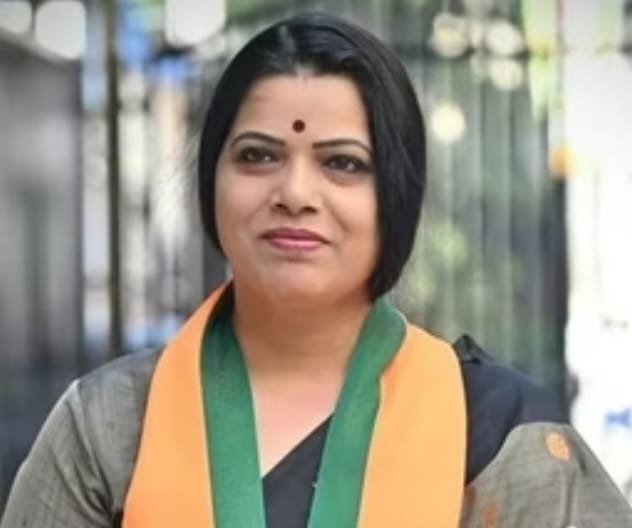
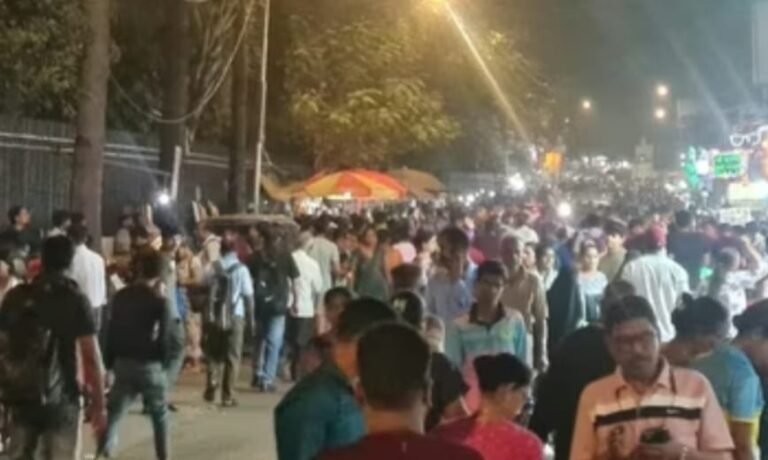
Mayor Talks Tough on Illegal Infiltrators — But Who Actually Identifies and Deports Them in Mumbai? Mumbai | Undercover Editor News Channel, February 12, 2026 Mumbai: After newly appointed Mumbai Mayor Ritu Tawde announced a crackdown on “illegal Bangladeshi hawkers and infiltrators,” public debate has intensified over who actually has the authority to identify and deport illegal foreign nationals from the city. While the Mayor’s remarks have drawn political attention, senior police officials clarify that deportation of illegal immigrants is strictly a law enforcement and central government function — not a civic one. Who Has the Authority? The identification, detention and deportation of illegal Bangladeshi nationals are handled by the Mumbai Police in coordination with the State Special Branch, the Union Ministry of Home Affairs, and the Border Security Force (BSF). Officials underline that the Mayor or the Brihanmumbai Municipal Corporation (BMC) has no legal power to determine nationality, verify passports, or deport individuals. The civic body can only act against illegal hawking, encroachments, and violations under municipal laws. “Nationality verification and deportation are governed by central laws and handled through established legal procedures,” a senior officer said. Deportation Numbers See Sharp Rise Mumbai Police data reveals that 1,061 illegal Bangladeshi nationals were deported in 2025 across 401 cases — the highest number recorded in a single year. In comparison: Police attribute the spike in 2025 to directions from the Union government asking states to accelerate deportation proceedings. How Police Identify Illegal Immigrants The identification process typically begins during routine verification drives or based on specific intelligence inputs, particularly in areas with dense informal settlements. In many cases, suspects do not possess valid physical documents. Officials say documents are often destroyed, leaving only digital traces on mobile phones. Investigators examine mobile devices for: In some cases, officers conduct video calls to individuals in Bangladesh — including family members or local representatives — to verify identity. Confirmation is made only after multiple cross-checks and verification procedures. What Happens After Confirmation? Once authorities establish that a person has entered India illegally or overstayed a visa, the deportation process begins. Police officials note that criminal cases are not registered in every instance, as court proceedings can delay deportation. If the individual has not committed additional crimes, authorities complete legal documentation and initiate removal. However, if the person is linked to other offences, separate criminal charges are filed. The Deportation Process After documentation is completed, detainees are transported — usually by train — to the Indo-Bangladesh border and handed over to the BSF. In large-scale operations, special flights have also been used. In August last year, 112 illegal Bangladeshi nationals from Mumbai and nearby areas were deported together in a coordinated operation via the Assam-Bangladesh border. What the Mayor’s Statement Means Mayor Tawde recently stated that illegal hawkers occupying footpaths were affecting pedestrian movement and civic planning. She indicated that removal of such encroachments would be a priority in discussions with the Municipal Commissioner. Police officials interpret the remarks as a civic and political position focused on encroachment removal rather than direct intervention in deportation processes. Authorities emphasize that deportation procedures follow a fixed legal framework and continue based on police investigations and central government directives — independent of political statements. This issue highlights the distinction between civic governance and national security enforcement, as Mumbai navigates concerns over illegal immigration, urban encroachments, and public order within the framework of law.
Rohit Shetty Residence Firing: Mumbai Police Invoke MCOCA Against Accused; Main Conspirator Still Absconding

Rohit Shetty Residence Firing: Mumbai Police Invoke MCOCA Against Accused; Main Conspirator Still Absconding

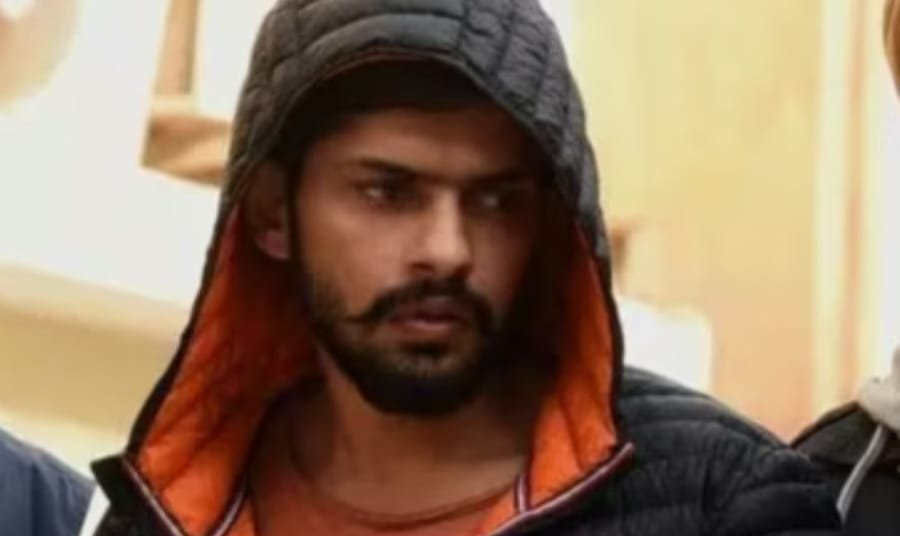
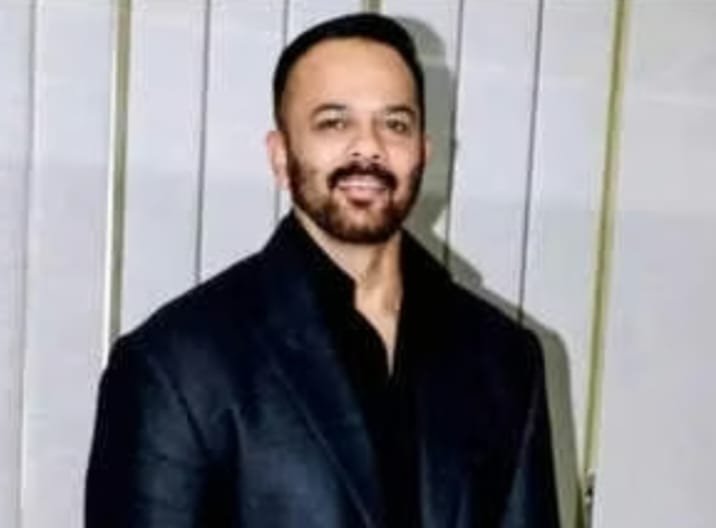
Rohit Shetty Residence Firing: Mumbai Police Invoke MCOCA Against Accused; Main Conspirator Still Absconding Mumbai | Undercover Editor News Channel, February 12, 2026 Mumbai: In a major development in the firing incident outside filmmaker Rohit Shetty’s residence earlier this month, Mumbai Police have invoked the stringent Maharashtra Control of Organised Crime Act (MCOCA) against the accused. The move signals investigators’ belief that the attack may be linked to organised criminal activity. Gunshots were fired at Shetty’s nine-storey residential building in Juhu at around 12:45 am on February 1, 2026. According to officials, at least five rounds were discharged, with one bullet striking the glass of a gym located on the first floor of the building. No injuries were reported in the incident. Five Arrested, Produced Before Special Court The Anti-Extortion Cell of the Mumbai Crime Branch has so far arrested five individuals in connection with the case — identified as Aditya Gayaki (19), Siddharth Yenpure (20), Samarth Pomaji (18), Swapnil Sakat (23), and Asaram Fasale. After their police custody ended on Wednesday, the accused were produced before a special MCOCA court. Officials confirmed that certain accused have prior involvement in serious offences, prompting the invocation of the organised crime law. “MCOCA sections have been added considering the nature of the offence and the background of some of the accused,” an officer said. Alleged Gang Link Under Probe Investigators have named Shubham Lonkar as the alleged main conspirator behind the attack. Lonkar, who is currently absconding, is believed to have ordered the firing and is reportedly linked to the Lawrence Bishnoi gang. Police sources indicate that Lonkar is also wanted in connection with other high-profile cases, including the murder of NCP leader Baba Siddique and the firing incident outside actor Salman Khan’s Bandra residence. Authorities are actively searching for Lonkar and examining whether the firing at Shetty’s residence was part of a broader pattern of intimidation or extortion attempts targeting prominent public figures. Broader Security Concerns In a related development, actor Ranveer Singh has reportedly received a threat message via WhatsApp from unidentified persons. Investigators suspect possible links to organised criminal elements, though verification is ongoing. The Rohit Shetty firing case has once again brought focus to the activities of organised crime syndicates and their alleged attempts to target high-profile personalities in Mumbai. Police officials have assured that strict legal action will be taken and that all angles — including conspiracy, gang involvement, and extortion motives — are being thoroughly examined. The investigation remains ongoing.
Ghaziabad Tragedy: Forensic Data Reveals Sisters Spent Nearly 20 Hours a Day on Phones, Deeply Immersed in Online Fantasy World

Ghaziabad Tragedy: Forensic Data Reveals Sisters Spent Nearly 20 Hours a Day on Phones, Deeply Immersed in Online Fantasy World

Ghaziabad Tragedy: Forensic Data Reveals Sisters Spent Nearly 20 Hours a Day on Phones, Deeply Immersed in Online Fantasy World Ghaziabad: In a deeply disturbing development in the deaths of three minor sisters in Bharat City, police investigations have revealed that the girls were spending almost 18 to 20 hours daily on their mobile phones, consuming online content and playing games. The three sisters, aged 16, 14 and 12, were found lying next to each other on February 4 on the society premises, directly below the ninth-floor window of their apartment. They were rushed to hospital but were declared dead on arrival. What Forensic Data Revealed Police have recovered incremental digital data from a mobile phone that was sold by their father, Chetan Kumar, to an electronics shop in Shalimar Garden about 15 days before the incident for ₹15,000. The device was sent for forensic examination to retrieve deleted information and trace the sisters’ digital activity. According to investigators: Police officials stated that a report has been sent to the government recommending a ban on the five horror games cited in the investigation. Growing Isolation and Virtual Identity Investigators also found that the sisters had stopped attending school after the Covid pandemic and had gradually withdrawn from social interaction. With few, if any, friends, they reportedly became increasingly dependent on each other and on their phones. In 2025, the sisters had launched a YouTube channel focused on K-dramas and cartoon characters, which had gained over 2,000 followers. However, the channel was deleted approximately 10 days before the incident, reportedly after their father objected to what he considered an escalating obsession with Korean culture. A private tutor who briefly taught the girls told police that they introduced themselves using Korean names — Maria, Aliza and Cindy — and claimed they had been adopted from Korea and China. The tutor further stated that the sisters were academically weak and struggled even with basic mathematical calculations. Investigation Ongoing Police are now attempting to recover another phone that was sold by the father three months prior to the incident. Investigators are also examining the sisters’ social media interactions to determine whether they were in contact with anyone outside the family. Officials have stressed that the investigation is ongoing and that conclusions will only be drawn after the final forensic report is completed. The tragedy has raised broader concerns about excessive digital exposure, online isolation, and the impact of prolonged unsupervised screen time on young minds.  
Ritu Tawde to Take Charge as Mumbai’s 8th Woman Mayor

Ritu Tawde to Take Charge as Mumbai’s 8th Woman Mayor

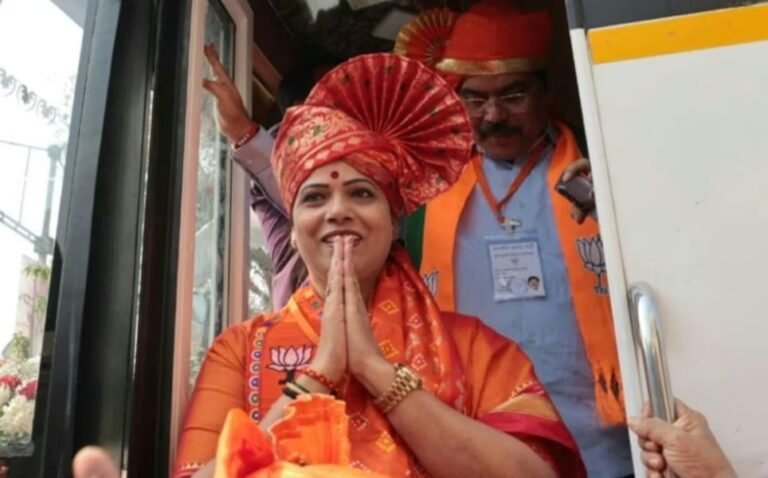
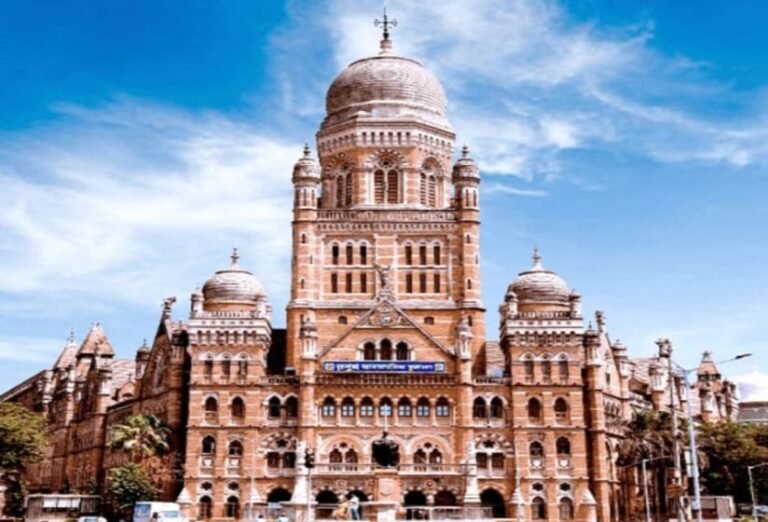
Ritu Tawde to Take Charge as Mumbai’s 8th Woman Mayor Mumbai | Undercover Editor News Channel, February 10, 2026 Mumbai: BJP corporator Ritu Tawde is poised to assume office as Mumbai’s next mayor after being elected unopposed in the Brihanmumbai Municipal Corporation (BMC), marking a historic shift in the city’s civic power structure. Her formal election, scheduled for Wednesday at noon, will make her Mumbai’s eighth woman mayor and bring an end to the Shiv Sena’s uninterrupted 25-year control of the mayoral post. Tawde’s elevation also marks the Bharatiya Janata Party’s return to the mayor’s office after more than 40 years—the last BJP mayor in Mumbai being Prabhakar Pai, who served during 1982–83. The development reflects the growing dominance of the Mahayuti alliance in the country’s richest civic body. The unopposed victory followed the decision of the Uddhav Thackeray-led Shiv Sena (UBT) not to field a candidate against Tawde. The move reportedly came after internal deliberations at party chief Uddhav Thackeray’s residence, acknowledging the numerical strength of the ruling alliance in the 227-member corporation. Former mayor and Sena (UBT) leader Kishori Pednekar said the decision was taken while respecting Marathi identity and the prevailing political arithmetic in the BMC. Alliance Power Consolidation Under the Mahayuti arrangement, the deputy mayor’s post will go to Sanjay Ghadi of the Eknath Shinde-led Shiv Sena. Ghadi, a corporator from Ward No. 5, will serve a 15-month tenure, after which the position will be rotated to give opportunities to other corporators within the alliance. The mayor’s term will be for two and a half years. Ritu Tawde, 53, filed her nomination at the municipal secretary’s office in the presence of senior Mahayuti leaders, including Minister Mangal Prabhat Lodha and BJP Mumbai unit chief Ameet Satam. Speaking to reporters, Tawde struck a humble note, stating that she would function as a “sevak of Mumbai” rather than merely occupying a ceremonial post. “My priority will be the safety, development and quality of life of Mumbai’s citizens. I see this responsibility as service, not power,” she said. Civic Experience and Political Journey A two-time corporator from Ghatkopar East, Tawde was first elected in 2012 and went on to chair the BMC’s Education Committee, where she raised several issues related to infrastructure, civic amenities and public safety. Though she lost the 2017 civic elections, she made a comeback in the latest polls, securing 19,810 votes from her ward. BJP leaders have underscored the symbolic significance of her election. Ameet Satam said the Mahayuti government is committed to a corruption-free civic administration. “The BMC must be freed from corruption that flourished under previous regimes. Ritu Tawde will lead Mumbai on the path of transparent and accountable governance,” Satam said, adding that the alliance had fulfilled its campaign promise of appointing a Marathi and Hindu mayor. Political Reactions and Opposition Criticism While the ruling alliance celebrated the smooth and uncontested outcome, opposition voices raised objections. The NCP (Sharad Pawar faction) criticised the BJP’s choice, pointing out that Tawde was previously associated with the Congress. NCP (SP) spokesperson Clyde Crasto said the decision had demoralised long-time BJP corporators. “By selecting a former Congress leader as mayor, the BJP has overlooked loyal party workers who have dedicated years of service,” he said. BMC: Symbolism and Scale Though the mayor’s post in Mumbai is largely ceremonial, it carries immense political and symbolic significance in a city where civic administration and identity politics often intersect. The BMC has been under a state-appointed administrator since March 2022 following the expiry of the previous term. With a budget of ₹74,450 crore for 2025–26—larger than the budgets of several Indian states—the BMC remains India’s most powerful municipal body. The mayor’s post was reserved for a woman from the open category following a lottery draw last month. While Tawde and Sion corporator Rajeshree Shirwadkar were considered potential candidates, the Mahayuti kept its decision confidential until the final day, ensuring an uncontested election. No opposition nominations were filed before the February 11 withdrawal deadline. A New Chapter for Mumbai Ritu Tawde’s unopposed election not only signals the BJP’s return to the mayoral office after four decades but also cements the Mahayuti alliance’s firm grip on Mumbai’s civic politics. As the city prepares for a transition after nearly three decades of Shiv Sena dominance, Tawde’s tenure is being closely watched for how effectively symbolic leadership translates into tangible civic outcomes. “I will work as a servant of Mumbai, not as its ruler,” Tawde reiterated, signalling the tone she intends to set as the city enters a new phase of municipal governance.
Sewri High-Rise Residents to Hold Silent March Against Illegal Hawking, Noise and Parking Menace

Sewri High-Rise Residents to Hold Silent March Against Illegal Hawking, Noise and Parking Menace

Sewri High-Rise Residents to Hold Silent March Against Illegal Hawking, Noise and Parking Menace Mumbai | Undercover Editor News Channel, February 09, 2026 Mumbai: Residents of multiple high-rise residential complexes in Mumbai’s Sewri area have announced a silent protest march this weekend, voicing strong resentment over what they describe as prolonged civic neglect and unchecked illegal activities that have severely affected their quality of life. The protest is aimed at drawing attention to persistent issues such as unauthorised hawking, encroached footpaths, illegal roadside parking and chronic noise pollution—problems residents say have remained unresolved despite years of complaints to the Brihanmumbai Municipal Corporation (BMC), police authorities and elected representatives. According to residents, enforcement actions by civic and law-enforcement agencies have been sporadic and largely superficial, allowing violations to resume within days. Locals claim the situation has deteriorated to such an extent that frequent confrontations between residents and hawkers have become inevitable. Decade-Long Struggle for Civic Relief Residents of Dosti Flamingo, a large residential complex housing nearly 2,500 people across multiple towers, say they have borne the brunt of the chaos. Rajendra Ghag, secretary of the society, said that complaints have been raised consistently for nearly a decade with little lasting impact. “For the past ten years, we have been complaining. Footpaths are either non-existent or fully encroached, roads are occupied by hawkers and illegally parked vehicles, and even walking has become dangerous. On top of this, loudspeakers blare year-round from the BMC ground during sports tournaments and community events. Peaceful living has become impossible,” Ghag said. He added that the issue affects over 15,000 residents living in eight to ten high-rise buildings, including Ashoka Gardens, Celestia Spaces, Lodha Aria, Rishabh Garden, Crimpton Tower and Girnar Tower. Allegations of Political Patronage Residents have also raised concerns over the unauthorised Ram Tekdi fish market and clusters of hawkers operating near Sewri Market and along T J Road. Locals allege that these activities continue with tacit political backing. “There is a widespread belief that high-rise residents do not face civic problems. This march is meant to shatter that misconception,” Ghag said. Another resident, Minitha Saxena, stressed that temporary crackdowns are ineffective. “Hawkers are removed for a few days and then return. We don’t want cosmetic action. Either relocate them to designated zones or enforce the law consistently,” she said. Safety at Risk, Say Residents Pedestrian safety has emerged as a major concern. Saarthi Mukherjee, a local resident, said navigating the roads has become dangerous, especially for children and senior citizens. “Walking here has become impossible. Vehicles are forced to squeeze past pedestrians, and children cannot cross the road safely. We are peace-loving, tax-paying citizens who feel completely ignored,” he said. Residents claim that despite submitting multiple memorandums and meeting political representatives across party lines, civic enforcement remains inconsistent and short-lived. Silent March on February 14 The silent march is scheduled for February 14 and will be conducted in strict compliance with police guidelines. Organisers emphasised that the protest is non-political and aimed solely at restoring civic order and public safety. Ghag said residents are even willing to publicly felicitate officials from the BMC, police and RTO if firm and permanent action is taken before the protest date. “This is not about politics or confrontation. This is about basic civic discipline and the right to live with dignity. Enough is enough,” he said.
औपनिवेशिक अभिजात वर्ग से जनप्रतिनिधियों तक: मुंबई के नगरसेवकों का विकास

औपनिवेशिक अभिजात वर्ग से जनप्रतिनिधियों तक: मुंबई के नगरसेवकों का विकास

औपनिवेशिक अभिजात वर्ग से जनप्रतिनिधियों तक: मुंबई के नगरसेवकों का विकास मुंबई | अंडरकवर एडिटर न्यूज़ चैनल, 08 फरवरी 2026 मुंबई: पिछले 150 वर्षों में मुंबई के नगरसेवकों की भूमिका में अभूतपूर्व परिवर्तन देखने को मिला है। कभी एक सीमित, औपनिवेशिक व्यवस्था का हिस्सा रहे नगरसेवक आज एक पूर्णतः लोकतांत्रिक प्रणाली के अंतर्गत चुने गए जनप्रतिनिधि हैं, जो महानगर की विविध आबादी की सेवा करते हैं। इस यात्रा की शुरुआत 26 जुलाई 1875 को हुई, जब तत्कालीन बॉम्बे म्युनिसिपल कॉरपोरेशन के लिए पहले चुनाव आयोजित किए गए। उस समय केवल लगभग 1,200 नागरिकों को मतदान का अधिकार प्राप्त था, जो शहर की कुल जनसंख्या का बेहद छोटा हिस्सा था। मतदान का अधिकार केवल कर-दाताओं तक सीमित था, जिससे राजनीतिक भागीदारी अमीर और प्रभावशाली वर्ग तक ही सिमट कर रह गई। परिणामस्वरूप, उस दौर में चुने गए 64 नगरसेवक मुख्यतः संपन्न और अभिजात वर्ग से आते थे। औपनिवेशिक नींव और सीमित लोकतंत्र मुंबई नगर निगम की औपचारिक स्थापना वर्ष 1872 में बॉम्बे अधिनियम के तहत हुई थी। प्रारंभ में सभी 64 नगरसेवक ब्रिटिश सरकार या उच्च न्यायालय के न्यायाधीशों द्वारा नामित किए जाते थे। बाद में हुए सुधारों के तहत आधे नगरसेवकों को चुनाव के माध्यम से चुने जाने की अनुमति मिली, लेकिन मताधिकार अब भी “रेट पेयर्स” तक सीमित था, जो न्यूनतम वार्षिक कर का भुगतान करते थे। 1872 में मुंबई की कुल जनसंख्या लगभग 6.44 लाख थी, लेकिन इनमें से केवल 4,000 से भी कम लोग मतदान के पात्र थे — यानी महज 0.6 प्रतिशत। इसके बावजूद दादाभाई नौरोजी, फिरोजशाह मेहता और विष्णुनाथ नारायण मंडलिक जैसे प्रतिष्ठित नेताओं ने प्रारंभिक नागरिक शासन को दिशा देने में अहम भूमिका निभाई और व्यापक प्रतिनिधित्व के लिए निरंतर प्रयास किए। स्वतंत्रता के बाद सुधार और व्यापक भागीदारी मुंबई के नागरिक निकाय का वास्तविक लोकतंत्रीकरण स्वतंत्रता के बाद तेज़ी से आगे बढ़ा। वर्ष 1922 में किरायेदारों को मतदान का अधिकार दिए जाने से मतदाता आधार में उल्लेखनीय विस्तार हुआ। एक बड़ा बदलाव 1952 में आया, जब नामांकित नगरसेवकों की व्यवस्था समाप्त कर दी गई और नगर निगम को पूर्णतः निर्वाचित संस्था बना दिया गया। 1931 में ‘प्रेसीडेंट’ पद का नाम बदलकर ‘मेयर’ किया गया, जो लोकतांत्रिक सोच का प्रतीक था, हालांकि यह पद लंबे समय तक औपचारिक ही बना रहा। वर्ष 1956 में सुलोचना मोदी के मुंबई की पहली महिला मेयर चुने जाने के साथ ही समावेशी प्रतिनिधित्व की दिशा में एक महत्वपूर्ण कदम उठा। जन राजनीति का उदय और ‘नगरसेवक’ की भूमिका 1960 के दशक के उत्तरार्ध में एक और निर्णायक मोड़ आया, जब स्थानीय निकाय चुनावों को चुनाव आयोग की निगरानी में लाया गया। इसी दौर में नगर पार्षदों को ‘नगरसेवक’ कहा जाने लगा, जिसने उन्हें जनता के सेवक के रूप में स्थापित किया। इसके बाद के वर्षों में श्रमिक आंदोलनों, सामाजिक संघर्षों और मध्यवर्गीय नेतृत्व के उभार के चलते राजनीतिक जागरूकता बढ़ी। मुंबई की नगर राजनीति में अब आम नागरिकों की आकांक्षाएं अधिक स्पष्ट रूप से झलकने लगीं। 1980 के दशक तक कई राजनीतिक दलों ने बृहन्मुंबई महानगरपालिका (बीएमसी) में मजबूत उपस्थिति दर्ज करा ली। व्यापक प्रतिनिधित्व और संरचनात्मक बदलाव लोकतांत्रिक प्रतिनिधित्व को सुदृढ़ करने के लिए महिलाओं और वंचित वर्गों के लिए सीटें आरक्षित की गईं। वर्ष 1998 में ‘मेयर-इन-काउंसिल’ प्रणाली के माध्यम से निर्वाचित प्रतिनिधियों को अधिक अधिकार देने का प्रयास किया गया, हालांकि प्रशासनिक असंतुलन के कारण इसे बाद में वापस ले लिया गया। आज मुंबई के नगरसेवक नागरिक प्रशासन में महत्वपूर्ण भूमिका निभाते हैं। वे विकास कार्यों का समन्वय करते हैं, जनसमस्याओं को सदन में उठाते हैं, विभिन्न समितियों के माध्यम से नीतिगत निर्णयों में भाग लेते हैं और प्रशासन तथा नागरिकों के बीच सेतु का काम करते हैं। बदली हुई नागरिक संस्था एक छोटे से औपनिवेशिक अभिजात वर्ग द्वारा नियंत्रित संस्था से लेकर एक व्यापक जनाधारित लोकतांत्रिक निकाय तक, मुंबई के नगरसेवकों का यह विकास शहर की सामाजिक-राजनीतिक यात्रा का प्रतीक है। आज 227 निर्वाचित नगरसेवकों के साथ बीएमसी देश की सबसे बड़ी और सबसे समृद्ध नगर पालिका के रूप में खड़ी है, जो इस बात का प्रमाण है कि मुंबई का नागरिक शासन धीरे-धीरे जनता के और अधिक करीब आया है।
औपनिवेशिक अभिजात वर्ग से जनप्रतिनिधियों तक: मुंबई के नगरसेवकों का विकास

From Colonial Elites to People’s Representatives: The Evolution of Mumbai’s Corporators

From Colonial Elites to People’s Representatives: The Evolution of Mumbai’s Corporators Mumbai | Undercover Editor News Channel, February 08, 2026 Mumbai: The role of corporators in Mumbai has undergone a remarkable transformation over the last 150 years — from an elite, colonial institution dominated by a privileged few to a fully democratic system of elected representatives serving the city’s diverse population. The journey began on July 26, 1875, when the first elections to the then Bombay Municipal Corporation were held. Only about 1,200 citizens were eligible to vote, representing a mere fraction of the city’s population. Voting rights were restricted to tax-paying residents, effectively limiting political participation to wealthy elites. As a result, the 64 councillors elected at the time largely came from influential and affluent sections of society. Colonial Foundations and Limited Democracy The Municipal Corporation was formally established in 1872 under the Bombay Act. Initially, all 64 councillors were nominated by the British government or High Court judges. Later reforms allowed half of them to be elected, but suffrage remained restricted to “rate payers” who paid a minimum annual tax. In 1872, fewer than 4,000 people — just 0.6% of Mumbai’s population — were eligible to vote. Despite the limited franchise, prominent figures such as Dadabhai Naoroji, Pherozeshah Mehta and Vishwanath Narayan Mandlik played key roles in shaping early civic governance, advocating gradual reforms and greater representation. Post-Independence Reforms and Wider Participation True democratisation of Mumbai’s civic body gained momentum in the decades following Independence. In 1922, voting rights were extended to tenants, significantly expanding the electorate. A major milestone came in 1952 when the system of nominated councillors was abolished, making the Corporation fully elected. In 1931, the post of President was renamed Mayor, symbolising a shift towards democratic governance, though the position largely remained ceremonial. In 1956, Mumbai elected its first woman Mayor, Sulochana Modi, reflecting a slow but steady move toward inclusivity. Rise of Mass Politics and the ‘Nagarsevak’ The late 1960s marked another turning point when local body elections were brought under the supervision of an election commission. Municipal councillors came to be known as Nagarsevaks, reinforcing their role as servants of the people. The decades that followed saw growing political mobilisation, driven by labour movements, social activism and the emergence of middle-class leadership. Mumbai’s civic politics increasingly reflected the aspirations of ordinary citizens rather than elite interests. By the 1980s, multiple political parties had established a strong presence within the Brihanmumbai Municipal Corporation (BMC). Greater Representation and Structural Changes Further reforms strengthened democratic representation. Seats were reserved for women and marginalised communities, ensuring broader participation in civic decision-making. Attempts were also made to empower elected representatives through structural changes such as the brief introduction of the Mayor-in-Council system in 1998, although it was later withdrawn due to governance concerns. Today, Mumbai’s corporators play a crucial role in civic administration — coordinating development works, raising public issues, serving on key committees, and acting as a bridge between citizens and the municipal administration. A Transformed Civic Institution From a colonial institution controlled by a small elite to a mass-based democratic body, the evolution of Mumbai’s corporators mirrors the city’s broader political and social journey. With 227 elected representatives today, the BMC stands as India’s largest and richest municipal corporation, symbolising how civic governance in Mumbai has gradually moved closer to the people it serves.
BJP Set to Install First Mumbai Mayor as Ritu Tawde Files Nomination; Shiv Sena Names Sanjay Ghadi as Deputy Mayor Candidate

BJP Set to Install First Mumbai Mayor as Ritu Tawde Files Nomination; Shiv Sena Names Sanjay Ghadi as Deputy Mayor Candidate

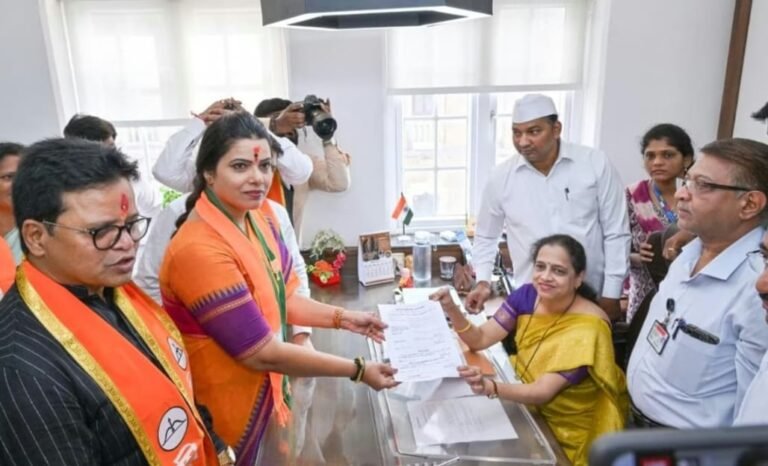
BJP Set to Install First Mumbai Mayor as Ritu Tawde Files Nomination; Shiv Sena Names Sanjay Ghadi as Deputy Mayor Candidate Mumbai | Undercover Editor News Channel, February 07, 2026 The Bharatiya Janata Party (BJP) is poised to create history in Mumbai’s civic politics by installing its first-ever Mayor, bringing an end to the Shiv Sena’s 25-year-long dominance over the Brihanmumbai Municipal Corporation (BMC). BJP corporator Ritu Tawde filed her nomination for the mayoral post on Saturday, February 7, 2026, marking a major political shift in the country’s richest civic body. The BJP’s ally in the ruling Mahayuti alliance, the Eknath Shinde-led Shiv Sena, has announced Sanjay Ghadi as its candidate for the post of Deputy Mayor. Tawde and Ghadi submitted their nomination papers at the municipal secretary’s office in the presence of senior Mahayuti leaders, including Maharashtra Minister Mangal Prabhat Lodha, BJP Mumbai president Amit Satam, former MP Rahul Shewale, and other party functionaries. Shiv Sena secretary Sanjay More confirmed that Ghadi, a corporator from Ward 5, will serve as Deputy Mayor for a period of 15 months. Party leaders said the decision to split the tenure is aimed at giving leadership opportunities to multiple corporators over the five-year term. Ghadi was earlier associated with the Shiv Sena (UBT) before joining the Eknath Shinde-led faction. The mayoral and deputy mayoral elections are scheduled for February 11, which also marks the final day for withdrawal of nominations. Ritu Tawde, a two-term corporator from Ghatkopar East (Ward 132), joined the BJP in 2012 and was elected to the BMC the same year. During her first term, she chaired the Education Committee and actively raised issues related to civic infrastructure, water supply, and public safety. In her previous tenure, Tawde drew attention for raising concerns over objectionable clothing displayed on shop mannequins, a move that sparked public debate. Addressing a press conference, BJP Mumbai chief Amit Satam said the city is set to get a BJP Mayor after a gap of 44 years. He asserted that the ruling Mahayuti alliance is committed to improving governance and rooting out corruption from the BMC. “We have the support of 118 corporators, well above the required majority. Mumbai will now have a Marathi, Malvani, Konkani, and Hindu mayor,” Satam said. In the recently concluded BMC elections, the BJP emerged as the single largest party with 89 seats, while the Shiv Sena secured 29 seats. Together, the Mahayuti alliance commands a strength of 118 corporators in the 227-member House, comfortably crossing the halfway mark of 114. The Uddhav Thackeray-led Shiv Sena (UBT), which controlled the BMC since 1997, won 65 seats, while its allies—MNS and NCP (SP)—secured six and one seat respectively. Among other parties, the Congress won 24 seats, AIMIM eight, the NCP (Ajit Pawar faction) three, and the Samajwadi Party two. Two independent candidates also registered victories in the high-stakes civic polls held after a nine-year gap. The BMC has been under the charge of a state-appointed administrator since March 7, 2022, following the expiry of the previous term. With an estimated budget of ₹74,450 crore for 2025–26, the BMC remains the wealthiest civic body in the country, making the mayoral post one of the most influential positions in urban governance.

Rs 7.88 Crore Gold Heist in Mumbai’s Borivali: Two Arrested, Minor Detained; Hunt On for Absconding Accused

Rs 7.88 Crore Gold Heist in Mumbai’s Borivali: Two Arrested, Minor Detained; Hunt On for Absconding Accused

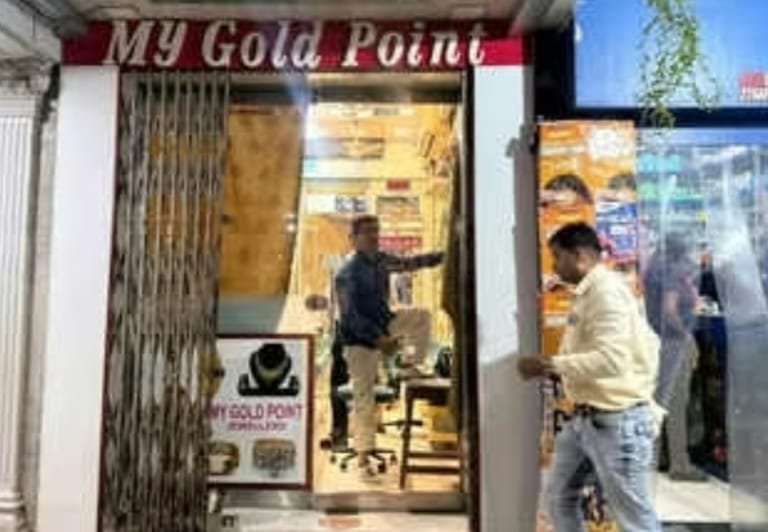
Rs 7.88 Crore Gold Heist in Mumbai’s Borivali: Two Arrested, Minor Detained; Hunt On for Absconding Accused Mumbai | Undercover Editor News Channel, February 06, 2026 Mumbai: Mumbai Police have arrested two persons and detained a minor in connection with a high-value gold theft worth ₹7.88 crore from a jewellery store in Borivali West. The theft involved nearly 5 kilograms of gold ornaments, making it one of the major jewellery heists reported in the western suburbs in recent times. According to police officials, the incident took place during the intervening night of January 13 and 14 at My Gold Point, a jewellery store located in the IC Colony area. Investigations have revealed clear insider involvement, with at least two store employees allegedly executing the theft and fleeing with the gold after closing hours. The employees, who were entrusted with the keys of the shop, reportedly emptied the jewellery display counters and escaped with the ornaments. The crime came to light the next morning when the store owner discovered the missing stock and immediately alerted the police. A special team from MHB Colony Police Station was formed, which scanned multiple CCTV cameras from the store and surrounding areas to trace the suspects’ movements. Based on technical evidence and surveillance inputs, police successfully arrested one employee and his accomplice, while a minor involved in the crime was detained and sent to an observation home. Senior officials confirmed that one kilogram of stolen gold has been recovered so far, while another employee remains absconding with approximately four kilograms of gold. Police suspect that the absconding accused received help from two to three additional accomplices, who arranged transportation to aid his escape. “We have identified all suspects involved in the case. Efforts are underway to trace the absconding accused and recover the remaining gold,” said a police official, adding that multiple teams are conducting searches across Maharashtra and nearby states. The investigation is being carried out under the supervision of DCP Sandeep Jadhav and Senior Inspector Harish Gawli. Police have assured that further arrests are likely and recovery efforts will continue until all stolen property is traced. The case has once again highlighted the risk of insider thefts in jewellery establishments, prompting calls for stricter internal security measures across the sector.
Mumbai Police Crack Down on Illegal Hawkers, Suspend On-Duty Cop for Inaction

Mumbai Police Crack Down on Illegal Hawkers, Suspend On-Duty Cop for Inaction

Mumbai Police Crack Down on Illegal Hawkers, Suspend On-Duty Cop for Inaction Mumbai | February 6, 2026 In a strong message against negligence and illegal encroachment, the Mumbai Police have intensified their crackdown on unauthorised hawkers across key public spaces in the city, going a step further by suspending an on-duty police officer for failing to take action despite clear instructions. The suspended officer, Assistant Police Inspector Narayan Siddhappa Anand of Azad Maidan police station, was posted near the busy Churchgate subway on January 27 during evening hours when illegal hawkers were operating openly. Police officials said that despite repeated directions from senior officers, Anand allegedly did not act against the unauthorised vendors, prompting an internal inquiry that led to his suspension. Senior officials said the move reflects a zero-tolerance approach, not only towards illegal hawking but also towards dereliction of duty within the force. “Strict action will be taken against anyone found compromising public convenience or violating orders,” a senior police officer stated. Visible Impact at Churchgate Following the suspension and renewed enforcement drive, the Churchgate subway area has been largely cleared of hawkers. A visit to the spot showed unobstructed footpaths and smoother pedestrian movement, a significant relief for daily commuters who had long complained of congestion and safety concerns. Police confirmed that FIRs are being registered where necessary and that regular patrols and surprise checks will continue to prevent hawkers from returning. Dadar East Sees Major Clearance Drive In another major operation, Bhoiwada police assisted the Brihanmumbai Municipal Corporation (BMC) in removing illegal hawkers from MMGS Road outside Dadar East railway station. The stretch, previously choked with vendors, has now been cleared, significantly improving access for pedestrians and commuters. Officials said police provided security during the eviction process to ensure smooth execution and prevent confrontation. Commuters Demand Sustained Action Commuters welcomed the action but urged authorities to ensure continuity. “These drives bring temporary relief, but hawkers usually return within days,” said Dilip Dave, a daily commuter to Churchgate. Others echoed similar concerns, pointing out that subways and footpaths often turn into makeshift markets, leaving little space for safe movement. Legal experts and citizen groups have also stressed the need for sustained coordination between police and civic authorities to maintain public order and pedestrian safety, especially in high-footfall areas. With BMC elections approaching, officials indicated that enforcement against encroachments would remain strict, signalling that accountability—both among hawkers and law enforcement personnel—will be a priority in the days ahead.

Recent News

Undercover Editor

From BMC updates, local area developments, railway station news, and crime reports to the latest in politics, sports, Bollywood, lifestyle, travel, and education, we bring you news that’s relevant, reliable, and real-time


Undercover Editor © 2025 – Designed by iCreato