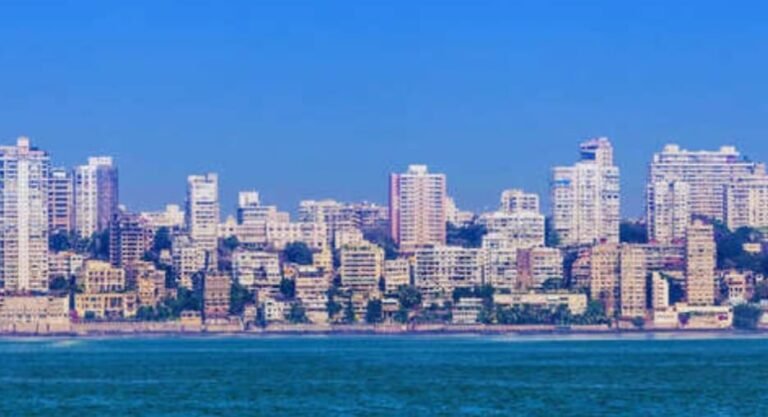
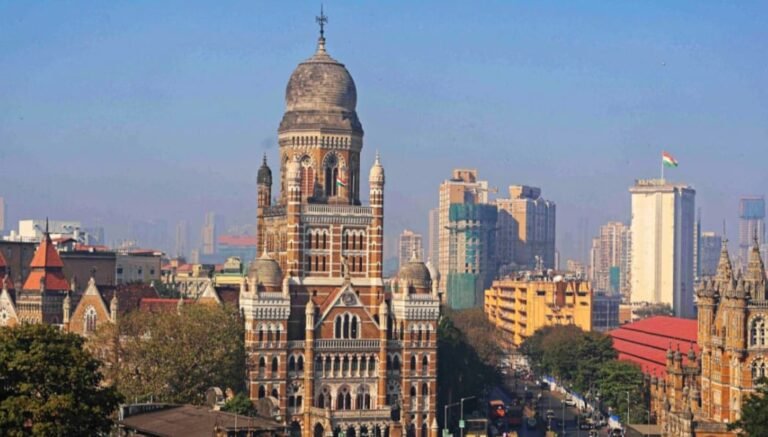
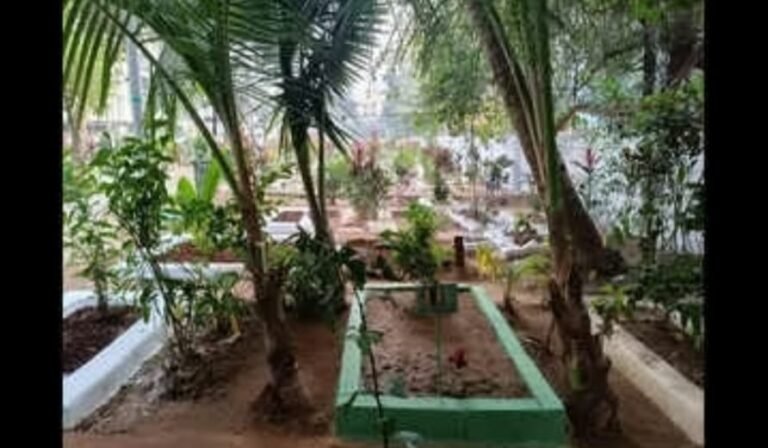
Mumbai observes Shab-e-Baraat with prayers, graveyard visits and halwa offerings Mumbai: Muslims across Mumbai will observe the sacred festival of Shab-e-Baraat, also known as the Night of Forgiveness, on the intervening night of February 3 and 4, marked by special prayers, remembrance of the departed, and acts of charity. Shab-e-Baraat falls on the 15th night of the Islamic month of Shaban, a night believed to be spiritually significant in Islam. Religious scholars say it is on this night that Allah records the destiny of individuals for the coming year, including matters related to life, death, sustenance and important events. “Laylat-ul-Baraat is a night of mercy and forgiveness. Muslims spend the night in prayer, reciting verses from the Holy Quran and sending Durood Sharif upon Prophet Mohammed (PBUH), while seeking forgiveness for their sins,” said Maulana Shahabuddin Shaikh of Andheri West. A key aspect of Shab-e-Baraat observance is visiting graveyards to pray for deceased loved ones. From late evening, thousands of devotees are expected to visit mosques and Muslim burial grounds across the city, particularly in the western suburbs. “People pray not only for their own relatives but for all departed souls. It is a night of compassion and remembrance,” said Maulana Mohammed Saad of Andheri Muslim Qabrastan Masjid, Four Bungalows. The Four Bungalows Qabrastan, which is the final resting place of noted cultural figures such as Kaifi Azmi, Shaukat Kaifi, Khayyam, Farooque Shaikh and Ishan Arya, is expected to witness a heavy turnout. According to mosque authorities, the cemetery received around 18,000 visitors last year, and similar numbers are anticipated this time as well. Volunteers and mosque committees have made extensive preparations ahead of the festival. All 1,676 graves inside the compound were freshly painted, the premises cleaned, and white cloth coverings and floral decorations arranged. Police permission has been obtained, and volunteers will assist in crowd management and traffic regulation during peak hours. Charity forms an important part of Shab-e-Baraat observances. Many families distribute cooked meals, sweets and food packets to madrassas, mosques, orphans and underprivileged households. Traditional delicacies such as chana dal halwa and suji halwa are prepared at home and offered as Esaal-e-Sawaab — prayers for the souls of the departed. Some devotees also observe fasting, either on February 3, February 4, or both days, depending on personal and religious preference. The festival also marks the spiritual transition into Ramzan, the holy month of fasting, which is expected to begin around February 18, adding to the sense of anticipation and devotion among the community.