Category: Maharashtra New

Contrary to popular belief, Lorem Ipsum is not simply random text. It has roots in a piece of classical Latin literature from 45 BC, making it over 2000 years old. Richard McClintock, a Latin professor

मनी लॉन्ड्रिंग केस में NCP नेता रूपाली चाकणकर से ED की पूछताछ, अशोक खरत मामले में जांच तेज

मनी लॉन्ड्रिंग केस में NCP नेता रूपाली चाकणकर से ED की पूछताछ, अशोक खरत मामले में जांच तेज

मनी लॉन्ड्रिंग केस में NCP नेता रूपाली चाकणकर से ED की पूछताछ, अशोक खरत मामले में जांच तेज Mumbai में प्रवर्तन निदेशालय (ED) ने मनी लॉन्ड्रिंग मामले में बड़ी कार्रवाई करते हुए NCP नेता Rupali Chakankar से गुरुवार को लंबी पूछताछ की। यह पूछताछ स्वयंभू बाबा Ashok Kharat से जुड़े मनी लॉन्ड्रिंग केस के तहत की गई। चाकणकर सुबह करीब 10:30 बजे ED के मुंबई कार्यालय पहुंचीं, जहां उनसे PMLA (प्रिवेंशन ऑफ मनी लॉन्ड्रिंग एक्ट) के तहत बयान दर्ज किया गया। अधिकारियों के मुताबिक, पूछताछ कई घंटों तक चली और इसमें उनके वित्तीय संबंधों और ट्रस्ट से जुड़ी गतिविधियों पर सवाल किए गए। 🔍 क्या है पूरा मामला? ED की जांच नासिक स्थित “शिवनिका संस्थान” ट्रस्ट से जुड़ी है, जिसका संचालन अशोक खरत करता था और जिसमें रूपाली चाकणकर ट्रस्टी रह चुकी हैं। एजेंसी यह पता लगाने की कोशिश कर रही है कि क्या चाकणकर के खरत के साथ कोई वित्तीय लेन-देन या प्रत्यक्ष संबंध थे। खरत को मार्च में गंभीर आरोपों—जैसे दुष्कर्म, यौन शोषण, अंधविश्वास फैलाने, जबरन वसूली और मनी लॉन्ड्रिंग—के तहत गिरफ्तार किया गया था। 💰 करोड़ों की संपत्ति और नकदी जब्त जांच के दौरान ED ने खरत और उसके सहयोगियों के ठिकानों पर छापेमारी कर बड़ी मात्रा में संपत्ति और नकदी जब्त की है। इसके अलावा, खरत के कथित तौर पर कई बैंक खातों और सहकारी संस्थाओं के जरिए पैसों के लेन-देन का जाल भी सामने आया है। 🏦 फर्जी खातों के जरिए लेन-देन का जाल ED की जांच में सामने आया है कि खरत ने कई लोगों के नाम पर दर्जनों बैंक खाते खुलवाकर उन पर अपना नियंत्रण रखा। इन खातों में जमा रकम को बाद में फिक्स्ड डिपॉजिट में बदलकर निकाला गया। बताया जा रहा है कि खरत अपने अनुयायियों को “चमत्कारी वस्तुएं” ऊंची कीमतों पर बेचकर भी धन इकट्ठा करता था, जिसे बाद में संपत्तियों में निवेश किया गया। 👨‍⚖️ जांच जारी, और खुलासों की उम्मीद ED अब इस पूरे नेटवर्क की गहराई से जांच कर रही है और सभी संदिग्ध लेन-देन की जांच की जा रही है। एजेंसी यह भी पता लगाने की कोशिश कर रही है कि इस मामले में और कौन-कौन लोग शामिल हो सकते हैं। 📌 निष्कर्ष: यह मामला न सिर्फ मनी लॉन्ड्रिंग बल्कि अंधविश्वास और संगठित आर्थिक अपराधों का बड़ा उदाहरण बनकर सामने आया है। ED की जांच आगे बढ़ने के साथ ही और बड़े खुलासे होने की संभावना है।
📰 महाराष्ट्र SSC रिजल्ट 2026: कोंकण ने फिर मारी बाजी, मुंबई–पुणे का दबदबा कायम

📰 महाराष्ट्र SSC रिजल्ट 2026: कोंकण ने फिर मारी बाजी, मुंबई–पुणे का दबदबा कायम

📰 महाराष्ट्र SSC रिजल्ट 2026: कोंकण ने फिर मारी बाजी, मुंबई–पुणे का दबदबा कायम महाराष्ट्र में कक्षा 10वीं (SSC) परीक्षा 2026 के नतीजे घोषित हो चुके हैं और इस बार भी राज्य के अलग-अलग डिवीजनों के प्रदर्शन में बड़ा अंतर देखने को मिला है। Maharashtra State Board of Secondary and Higher Secondary Education द्वारा आयोजित इस परीक्षा में कुल पास प्रतिशत 92.09% रहा, जो एक मजबूत और संतुलित प्रदर्शन को दर्शाता है। इस साल कुल 15,42,472 नियमित छात्र परीक्षा में शामिल हुए, जिनमें से 14,20,486 छात्र सफल घोषित किए गए। हालांकि, जब डिवीजन-वाइज परिणामों का विश्लेषण किया गया, तो राज्य में क्षेत्रीय असमानता साफ तौर पर सामने आई। 📊 कोंकण बना टॉपर, फिर कायम रखा दबदबा Konkan डिवीजन ने एक बार फिर शानदार प्रदर्शन करते हुए 97.62% पास प्रतिशत के साथ राज्य में पहला स्थान हासिल किया। कम छात्रों के बावजूद यहां की शैक्षणिक गुणवत्ता और स्कूल स्तर की स्थिरता इसे लगातार टॉप पर बनाए हुए है। 🏙️ मुंबई–पुणे और कोल्हापुर: मजबूत शहरी क्लस्टर Mumbai (94.97%), Pune (94.24%) और Kolhapur (95.47%) ने भी शानदार प्रदर्शन किया। ⚖️ मध्यम प्रदर्शन वाले डिवीजन Nashik (90.53%) और Amravati (90.50%) ने औसत से थोड़ा बेहतर प्रदर्शन किया। 📉 निचले स्तर पर नागपुर, लातूर और संभाजीनगर Nagpur (89.07%), Latur (88.42%) और Chhatrapati Sambhajinagar (88.41%) अपेक्षाकृत पीछे रहे। 🔍 मुख्य निष्कर्ष: क्षेत्रीय अंतर अभी भी बड़ा मुद्दा SSC 2026 के नतीजों से यह साफ हो गया है कि महाराष्ट्र में शिक्षा का स्तर अभी भी भौगोलिक और शहरी-ग्रामीण अंतर पर निर्भर करता है। यह आंकड़े बताते हैं कि बेहतर इंफ्रास्ट्रक्चर, संसाधन और शहरी सुविधाएं शिक्षा के परिणामों पर सीधा प्रभाव डालती हैं।
🚨 अशोक खरात केस में बड़ा खुलासा: IAS के बाद दो वरिष्ठ महिला पुलिस अधिकारी भी जांच के घेरे में

🚨 अशोक खरात केस में बड़ा खुलासा: IAS के बाद दो वरिष्ठ महिला पुलिस अधिकारी भी जांच के घेरे में

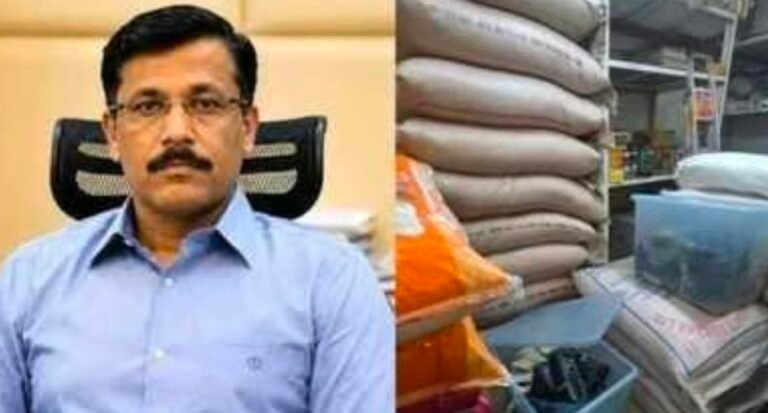
🚨 अशोक खरात केस में बड़ा खुलासा: IAS के बाद दो वरिष्ठ महिला पुलिस अधिकारी भी जांच के घेरे में नाशिक: के बहुचर्चित अशोक खरात मामले में अब चौंकाने वाले खुलासे सामने आ रहे हैं। कथित भोंदू बाबा अशोक खरात पर शिकंजा कसते हुए Enforcement Directorate (ईडी) ने राज्यभर में उसकी संपत्तियों पर छापेमारी तेज कर दी है। इस कार्रवाई के बीच अब कई बड़े अधिकारियों के नाम भी सामने आने लगे हैं, जिससे पूरे Maharashtra में हड़कंप मच गया है। महिला पुलिस अधिकारियों पर भी सवाल सूत्रों के मुताबिक, एक आईएएस अधिकारी के बाद अब दो वरिष्ठ महिला पुलिस अधिकारी भी जांच के दायरे में आ गई हैं। बताया जा रहा है कि ये दोनों अधिकारी अशोक खरात के संपर्क में थीं। इनमें से एक अधिकारी डीसीपी (उप पुलिस आयुक्त) और दूसरी एसीपी (सहायक पुलिस आयुक्त) स्तर की बताई जा रही है। इस खुलासे के बाद पुलिस विभाग में हलचल तेज हो गई है और इन अधिकारियों की भूमिका को लेकर गंभीर सवाल उठने लगे हैं। क्या पोस्टिंग के लिए लिया सहारा? जांच एजेंसियां इस पहलू की भी गहराई से पड़ताल कर रही हैं कि क्या इन अधिकारियों ने मनचाही पोस्टिंग पाने के लिए खरात से संपर्क किया था। साथ ही, संभावित आर्थिक लेन-देन की भी जांच की जा रही है। यदि यह आरोप सही पाए जाते हैं, तो मामला और गंभीर हो सकता है। फर्जी बैंक खातों का जाल इस बीच, पुलिस द्वारा अशोक खरात के नाशिक स्थित ठिकाने पर की गई छापेमारी में बड़ी संख्या में आधार कार्ड और पैन कार्ड बरामद हुए हैं। शुरुआती जांच में यह सामने आया है कि इन दस्तावेजों के जरिए करीब 131 फर्जी बैंक खाते खोले गए हो सकते हैं। यह खुलासा सामने आते ही पुलिस और प्रशासनिक तंत्र में हड़कंप मच गया है। SIT कर रही गहन जांच फिलहाल, अशोक खरात को न्यायालय ने 8 अप्रैल तक पुलिस हिरासत में भेज दिया है। मामले की जांच के लिए विशेष जांच दल (SIT) गठित किया गया है, जो हर पहलू की गहराई से जांच कर रहा है। निष्कर्ष अशोक खरात मामला अब केवल एक धोखाधड़ी का मामला नहीं रह गया है, बल्कि इसमें प्रशासन और पुलिस तंत्र की संभावित संलिप्तता के संकेत मिल रहे हैं। आने वाले दिनों में इस केस में और बड़े खुलासे होने की संभावना जताई जा रही है, जिस पर पूरे राज्य की नजर बनी हुई है।
गठबंधन में बढ़ी तकरार: कांग्रेस ने शिवसेना (यूबीटी) पर साधा निशाना

गठबंधन में बढ़ी तकरार: कांग्रेस ने शिवसेना (यूबीटी) पर साधा निशाना

गठबंधन में बढ़ी तकरार: कांग्रेस ने शिवसेना (यूबीटी) पर साधा निशाना मुंबई | अंडरकवर एडिटर न्यूज़ चैनल, ०६ मार्च, २०२६ मुंबई: महाराष्ट्र की राजनीति में एक बार फिर गठबंधन सहयोगियों के बीच मतभेद खुलकर सामने आए हैं। कांग्रेस पार्टी ने मुंबई: महाराष्ट्र की राजनीति में एक बार फिर गठबंधन सहयोगियों के बीच मतभेद खुलकर सामने आए हैं। कांग्रेस पार्टी ने शिवसेना (यूबीटी) द्वारा की गई “क्रचेस” (सहारा) वाली टिप्पणी पर कड़ी प्रतिक्रिया व्यक्त की है और इसे गठबंधन की भावना के विपरीत बताया है। महाराष्ट्र कांग्रेस के प्रवक्ता सचिन सावंत ने शिवसेना (यूबीटी) के मुखपत्र ‘सामना’ में प्रकाशित संपादकीय की आलोचना करते हुए कहा कि इस प्रकार के बयान सहयोगी दलों के बीच असंतुलन और भ्रम पैदा करते हैं। उन्होंने यह भी आरोप लगाया कि संजय राउत अपनी राजनीतिक और पत्रकारिता की भूमिकाओं में स्पष्ट अंतर नहीं रख पा रहे हैं। गठबंधन में समन्वय की कमी पर सवाल सचिन सावंत ने कहा कि किसी भी गठबंधन में सभी दल समान भागीदार होते हैं और महत्वपूर्ण निर्णय आपसी चर्चा से लिए जाने चाहिए। एकतरफा फैसले लेना और बाद में दूसरों पर आरोप लगाना गठबंधन धर्म के खिलाफ है। उन्होंने यह भी कहा कि समन्वय और संवाद की कमी के कारण ही महा विकास आघाडी  (एमवीए) को हाल के स्थानीय निकाय चुनावों में नुकसान उठाना पड़ा। शिवसेना (यूबीटी) का पक्ष दूसरी ओर, शिवसेना (यूबीटी) के संपादकीय में कांग्रेस पर आरोप लगाया गया कि वह क्षेत्रीय दलों को बराबरी का दर्जा देने के बजाय “सहारे” के रूप में देखती है। संपादकीय में कहा गया कि यदि कांग्रेस केंद्र में सत्ता हासिल करना चाहती है, तो उसे राज्यों में मजबूत और सम्मानजनक गठबंधन बनाना होगा। राजनीतिक बयानबाजी से बढ़ा तनाव हाल ही में राज्यसभा और विधान परिषद चुनावों को लेकर भी गठबंधन के भीतर मतभेद सामने आए हैं। शरद पवार के नाम पर सहमति बनने के बावजूद, विभिन्न दलों के बीच तालमेल को लेकर असहमति दिखाई दी। आत्ममंथन की जरूरत कांग्रेस ने स्पष्ट किया कि वह भाजपा के खिलाफ एकजुट होकर लड़ना चाहती है, लेकिन इसके लिए गठबंधन में पारदर्शिता, सम्मान और अनुशासन जरूरी है। पार्टी ने सभी सहयोगी दलों से आत्ममंथन करने और संवाद को मजबूत करने की अपील की है। निष्कर्ष महाराष्ट्र की राजनीति में गठबंधन की मजबूती ही सत्ता की कुंजी मानी जाती है। ऐसे में कांग्रेस और शिवसेना (यूबीटी) के बीच बढ़ती बयानबाजी आने वाले चुनावों में गठबंधन की दिशा और दशा तय कर सकती है।
मंत्रालय में भ्रष्टाचार पर बड़ा वार: 6.37 लाख की रिश्वत लेते अधिकारी गिरफ्तार

मंत्रालय में भ्रष्टाचार पर बड़ा वार: 6.37 लाख की रिश्वत लेते अधिकारी गिरफ्तार

मंत्रालय में भ्रष्टाचार पर बड़ा वार: 6.37 लाख की रिश्वत लेते अधिकारी गिरफ्तार अंडरकवर एडिटर न्यूज़ एजेंसी | एडिटर – महेश राठौड़ मुंबई: राज्य में भ्रष्टाचार के खिलाफ चल रही सख्त मुहिम के तहत एक बड़ी कार्रवाई सामने आई है। एंटी करप्शन ब्यूरो (एसीबी) ने मंत्रालय में कार्यरत एक अधिकारी को 6 लाख 37 हजार रुपये की रिश्वत लेते हुए रंगेहाथ गिरफ्तार किया है। गिरफ्तार अधिकारी की पहचान विलास लाड के रूप में हुई है, जो अर्थ एवं नियोजन विभाग में कक्ष अधिकारी के पद पर कार्यरत था। बताया जा रहा है कि उसने ग्राम विकास विभाग से संबंधित एक प्रस्ताव को मंजूरी दिलाने के बदले बड़ी रकम की मांग की थी। सुनियोजित तरीके से बिछाया गया जाल शिकायत मिलने के बाद एसीबी ने पूरे मामले की जांच की और एक सटीक योजना बनाकर जाल बिछाया। यह कार्रवाई खारघर क्षेत्र में की गई, जहां आरोपी अधिकारी को रिश्वत की रकम स्वीकार करते समय रंगेहाथ पकड़ लिया गया। मंत्रालय में मचा हड़कंप मंत्रालय से जुड़े इस बड़े मामले के सामने आने के बाद प्रशासनिक तंत्र में हड़कंप मच गया है। यह हाल के दिनों में मंत्रालय में उजागर हुआ दूसरा बड़ा भ्रष्टाचार मामला है, जिससे सरकारी कार्यप्रणाली पर गंभीर सवाल उठ रहे हैं। सरकार का सख्त संदेश राज्य के मुख्यमंत्री Devendra Fadnavis ने भ्रष्टाचार के खिलाफ सख्त रुख अपनाया हुआ है। इस कार्रवाई को उसी मुहिम का हिस्सा माना जा रहा है, जिसके तहत रिश्वतखोर अधिकारियों के खिलाफ लगातार कार्रवाई की जा रही है। सरकार की ओर से स्पष्ट संकेत दिया गया है कि भ्रष्टाचार किसी भी स्तर पर बर्दाश्त नहीं किया जाएगा और दोषियों के खिलाफ कठोर कार्रवाई जारी रहेगी। पहले भी हो चुकी है कार्रवाई कुछ ही दिन पहले Narahari Zirwal के कार्यालय में कार्यरत एक क्लर्क को भी 50 हजार रुपये की रिश्वत लेते हुए एसीबी ने गिरफ्तार किया था। उस घटना ने भी मंत्रालय में व्यापक चर्चा और चिंता पैदा की थी। निष्कर्ष लगातार हो रही इन कार्रवाइयों से यह स्पष्ट हो गया है कि राज्य सरकार और जांच एजेंसियां भ्रष्टाचार पर अंकुश लगाने के लिए पूरी तरह सक्रिय हैं। यह मामला न केवल प्रशासनिक व्यवस्था में पारदर्शिता की आवश्यकता को उजागर करता है, बल्कि आम नागरिकों के अधिकारों की रक्षा के लिए सख्त कदमों की अहमियत भी दर्शाता है।
Maharashtra Govt Moves to Restore Brihanmumbai Municipal Corporation Tax Powers with Retrospective Amendment Bill

Maharashtra Govt Moves to Restore Brihanmumbai Municipal Corporation Tax Powers with Retrospective Amendment Bill

Maharashtra Govt Moves to Restore Brihanmumbai Municipal Corporation Tax Powers with Retrospective Amendment Bill Mumbai: In a significant policy move aimed at safeguarding civic revenues, the Government of Maharashtra has introduced an amendment bill in the Legislative Assembly to restore the powers of the Brihanmumbai Municipal Corporation (BMC) to levy and collect property tax with retrospective effect. The bill, tabled by Minister of State for Urban Development Madhuri Misal, seeks to amend the Mumbai Municipal Corporation Act to provide clear legal backing for determining the capital value of properties—a key basis for property tax calculation in Mumbai. Background of the Issue The BMC has been using the capital value system for property tax assessment since April 1, 2010. Under this system, the municipal commissioner was authorised to frame rules for determining property values, leading to the introduction of the Capital Value Rules in 2010 and subsequent revisions in 2015. However, legal challenges disrupted the process. The Bombay High Court in 2019 and later the Supreme Court of India in 2022 ruled that retrospective implementation of these rules was invalid, as the parent law did not explicitly grant such authority. These rulings effectively halted the assessment and recovery of property taxes, impacting the civic body’s finances. What the Amendment Proposes The newly introduced bill aims to resolve these legal hurdles by: Impact on Civic Services According to the state government, the suspension of property tax collection led to significant revenue losses for the BMC. As property tax is the primary source of income for the civic body, the financial strain affected essential public services, including healthcare, water supply, education, transport, and housing. Officials emphasised  that restoring these powers is crucial to ensure uninterrupted civic services and maintain Mumbai’s urban infrastructure. Conclusion The amendment bill marks a decisive step by the Government of Maharashtra to strengthen the financial backbone of the Brihanmumbai Municipal Corporation. If passed, it is expected to not only resolve long-standing legal ambiguities but also secure vital revenue streams necessary for the functioning of India’s financial capital.
Maharashtra Restores 3km RTE Admission Rule, Deadline Extended to March 25

Maharashtra Restores 3km RTE Admission Rule, Deadline Extended to March 25

Maharashtra Restores 3km RTE Admission Rule, Deadline Extended to March 25 Mumbai: In a significant decision bringing relief to thousands of parents, the Government of Maharashtra has restored the 3-kilometre eligibility rule for admissions under the Right to Education Act (RTE) in private unaided schools. The move comes after the Bombay High Court stayed key provisions of a government resolution issued on February 12, which had reduced the permissible distance for RTE admissions from 3km to 1km. Following the court’s intervention, parents can now once again apply to schools within a 3km radius of their residence. The earlier decision had sparked concern among parents and education experts, who argued that restricting the distance to 1km significantly limited school choices, especially in urban areas where access to reputed institutions often requires travelling longer distances. Under the provisions of the RTE Act, private unaided schools are required to reserve 25% of entry-level seats for children from economically weaker and disadvantaged sections. The government reimburses the fees for these students. Families with an annual income below ₹1 lakh are eligible under the economically weaker section category . Education expert Mahendra Ganpule, former vice-president of the Maharashtra School Principals Association, welcomed the rollback. He stated that the 1km restriction had unnecessarily narrowed the scope of admissions and that parents should have the freedom to choose better schools for their children. As per the revised admission process, priority will be given based on proximity. Students residing within 1km of a school will be given first preference, followed by those living within a 1–3km radius. Applicants from beyond 3km will be considered only if seats remain vacant. Officials also revealed that around 2.24 lakh applications have already been received under the RTE quota across Maharashtra, highlighting the high demand for quality education among underprivileged sections. In a related development, the state government has extended the deadline for submitting RTE applications from March 18 to March 25, citing delays in the launch of the online application portal. The extension is expected to provide additional time for eligible parents to complete the application process. The decision is being seen as a positive step towards ensuring wider access to quality education and upholding the core objective of the RTE Act — inclusive and equitable learning opportunities for all children.
Maharashtra Assembly Passes Stamp (Amendment) Bill 2026 to Speed Up Property Case Resolutions

Maharashtra Assembly Passes Stamp (Amendment) Bill 2026 to Speed Up Property Case Resolutions

Maharashtra Assembly Passes Stamp (Amendment) Bill 2026 to Speed Up Property Case Resolutions Mumbai | Undercover Editor News Channel, March 10, 2026 Mumbai: In a move aimed at improving administrative efficiency and reducing delays in property-related matters, the Maharashtra Legislative Assembly on Monday unanimously passed the Maharashtra Stamp (Amendment) Bill, 2026. The legislation is expected to significantly speed up the disposal of long-pending stamp duty cases across the state. The Bill was approved after a detailed clause-by-clause discussion in the Assembly. The amendment focuses on revising Section 52(A) of the Maharashtra Stamp Act, which deals with adjudication powers within the stamp duty administration. The key reform under the amendment is the decentralisation of financial powers, allowing officials at district and regional levels to handle higher-value cases that previously had to be referred to senior authorities. Speaking in the Assembly, Chandrashekhar Bawankule, Revenue Minister of Maharashtra, said that the existing provisions had created a backlog of cases because many matters could only be handled by the Inspector General of Registration. According to the minister, this often forced citizens to travel repeatedly to Mumbai for hearings and administrative procedures, leading to delays, inconvenience, and mental stress due to repeated adjournments. “With the enhanced powers now delegated to district-level authorities, officials will be able to resolve higher-value cases locally. This reform will promote transparency, reduce delays, and help clear the backlog of pending cases in a time-bound manner,” Bawankule stated. Officials believe the amendment will also accelerate property-related transactions by enabling quicker resolution of stamp duty disputes and technical issues closer to where property deals take place. The revised financial limits under the amendment allow: Along with the Maharashtra Stamp (Amendment) Bill, 2026, the Assembly also introduced the Maharashtra Land Revenue Code (Amendment) Bill, 2026, which aims to strengthen the functioning of the state’s revenue administration. Government officials said the reforms are designed to improve the efficiency of the Revenue and Stamp Duty Department, while also providing relief to property buyers, sellers, and other stakeholders involved in real estate transactions across Maharashtra. The government expects that with decentralised decision-making and increased financial authority at local levels, long-pending cases will be resolved faster, ultimately making the property registration system more transparent and citizen-friendly.
Maharashtra’s ‘Aai’ Tourism Policy Empowers Women Entrepreneurs; ₹72 Crore Loans Sanctioned to Over 900 Beneficiaries

Maharashtra’s ‘Aai’ Tourism Policy Empowers Women Entrepreneurs; ₹72 Crore Loans Sanctioned to Over 900 Beneficiaries

Maharashtra’s ‘Aai’ Tourism Policy Empowers Women Entrepreneurs; ₹72 Crore Loans Sanctioned to Over 900 Beneficiaries Mumbai: Maharashtra’s initiative to promote women-led tourism businesses is gaining strong momentum, as more than 900 women entrepreneurs have secured loans worth ₹72.49 crore under the state’s ‘Aai’ tourism policy. The scheme, introduced by the Government of Maharashtra, aims to increase women’s participation in the tourism sector by encouraging them to start and manage businesses ranging from homestays and agro-tourism projects to cafés and travel services. Officials confirmed that the policy has received an overwhelming response across the state, with over 4,200 applications submitted so far. Out of these, 3,292 letters of intent have already been issued, indicating strong interest among women looking to establish tourism-related ventures. The policy offers interest-free loans of up to ₹15 lakh to women entrepreneurs along with an interest reimbursement facility for up to seven years. So far, the state government has released ₹1.67 crore towards interest reimbursement for beneficiaries. According to officials, the scheme has received the highest response from the Konkan, Pune, Chhatrapati Sambhaji Nagar, and Nashik regions, which are already known for attracting large numbers of tourists and offer strong potential for small-scale tourism enterprises. The ‘Aai’ tourism policy is built around five key pillars. These include promoting women’s entrepreneurship in tourism, creating women-friendly tourism infrastructure, enhancing safety for women travellers, offering special services and concessions for women tourists, and expanding tourism growth across the state. Under the scheme, up to 10 women-led tourism enterprises in each taluka can receive financial assistance. The interest subsidy — capped at 12 percent and up to ₹4.5 lakh — is transferred directly to the beneficiary’s Aadhaar-linked bank account for a maximum of seven years or until the loan is fully repaid. To qualify for the benefits, the tourism venture must be owned and operated by a woman and registered with the state Directorate of Tourism. For tour and travel agencies, at least 50 percent of the workforce must be women. Beyond financial assistance, the policy also focuses on improving safety and inclusivity for women travellers. Women working in tourism businesses — including tour guides, drivers, and tour operators — will be covered under government insurance schemes, with the state paying the premium for the first five years. Women tourists will also benefit from special incentives. The Maharashtra Tourism Development Corporation will offer 20 percent discounts on selected tourism circuits. Additionally, women will receive 50 percent discounts on online bookings at MTDC resorts on 23 specific days each year, including 1–8 March to mark International Women’s Day. The policy also introduces special travel packages exclusively for women, including women-only city tours, adventure trips, trekking expeditions, and travel packages designed for senior women citizens and women with disabilities. To support women’s self-help groups, the initiative will also provide stalls at MTDC properties where they can sell handicrafts, local artwork, and food products. Additional facilities such as childcare services for travellers with young children and rooms located closer to lifts for elderly or differently-abled women are also part of the plan. Speaking about the initiative, Maharashtra’s Tourism Minister Shambhuraj Desai said the policy goes beyond financial incentives. He stated that women in tourism are now stepping forward not only as participants but also as entrepreneurs creating new employment opportunities, which will strengthen both rural and urban tourism economies. Principal Secretary (Tourism) Sanjay Khandare added that the scheme is helping bring financial empowerment to women while encouraging more women to travel and participate in tourism activities. Tourism Director B. N. Patil noted that the initiative is expected to accelerate growth in the sector by expanding women-led enterprises across the tourism value chain. Officials believe the ‘Aai’ tourism policy could significantly reshape the state’s tourism ecosystem by bringing more women into leadership roles — from managing homestays in scenic rural destinations to running travel services in urban hubs — while also making Maharashtra a safer and more welcoming destination for women travellers.
Maharashtra Cabinet Clears Anti-Conversion Bill: Marriages Through Force or Deceit to Be Declared Invalid

Maharashtra Cabinet Clears Anti-Conversion Bill: Marriages Through Force or Deceit to Be Declared Invalid

Maharashtra Cabinet Clears Anti-Conversion Bill: Marriages Through Force or Deceit to Be Declared Invalid Mumbai | Undercover Editor News Channel, March 07, 2026 Mumbai: The government of Maharashtra has approved a draft anti-conversion bill that proposes strict legal measures against religious conversions carried out through force, deception, or inducement. According to government sources, the proposed law will also declare marriages invalid if they are found to have taken place through such methods of conversion. The draft legislation, titled the Maharashtra Freedom of Religion Act 2026, received approval from the state cabinet on Thursday and is expected to be introduced during the ongoing legislative session. Under the provisions of the proposed law, if a marriage is suspected to have been conducted through coercion, fraud, or inducement to change religion, it could be declared null and void. In such cases, any blood relative of the alleged victim would have the right to file a complaint with the district magistrate. Officials said that the district magistrate would conduct a preliminary inquiry into the matter. If evidence suggests that the conversion or marriage involved coercion or fraudulent practices, the case will be referred to the local police, who would then register a First Information Report (FIR) and initiate further legal action. The proposed law is expected to include stringent penalties. Sources indicated that those found guilty of participating in forced or deceitful religious conversion could face imprisonment of up to seven years along with financial penalties. The provisions would apply not only to individuals directly involved in the conversion but also to anyone who assisted in carrying out the act. While drafting the legislation, a government-appointed panel examined Article 25 of the Constitution of India, which guarantees freedom of religion. The panel also reviewed several judgments delivered by the Supreme Court of India concerning protection against conversions carried out through coercion, inducement, or fraudulent means. Additionally, the panel studied similar anti-conversion laws implemented in other states before finalising the draft for Maharashtra. The issue of interfaith marriages has been a politically sensitive topic in recent years. Leaders from the Bharatiya Janata Party have frequently raised concerns about what they describe as “love jihad,” alleging that some marriages involve conversion through deceit. Critics, however, argue that adult individuals should retain the freedom to choose their partners and religion without interference. Government sources clarified that the intention of the proposed legislation is to prevent forced or fraudulent religious conversions while safeguarding the constitutional right to freedom of religion. The bill is expected to be debated in the state legislature in the coming days. If passed, it will become one of the most comprehensive legal frameworks in Maharashtra aimed at regulating religious conversions and protecting individuals from coercive practices.

Recent News

Undercover Editor

From BMC updates, local area developments, railway station news, and crime reports to the latest in politics, sports, Bollywood, lifestyle, travel, and education, we bring you news that’s relevant, reliable, and real-time


Undercover Editor © 2025 – Designed by iCreato